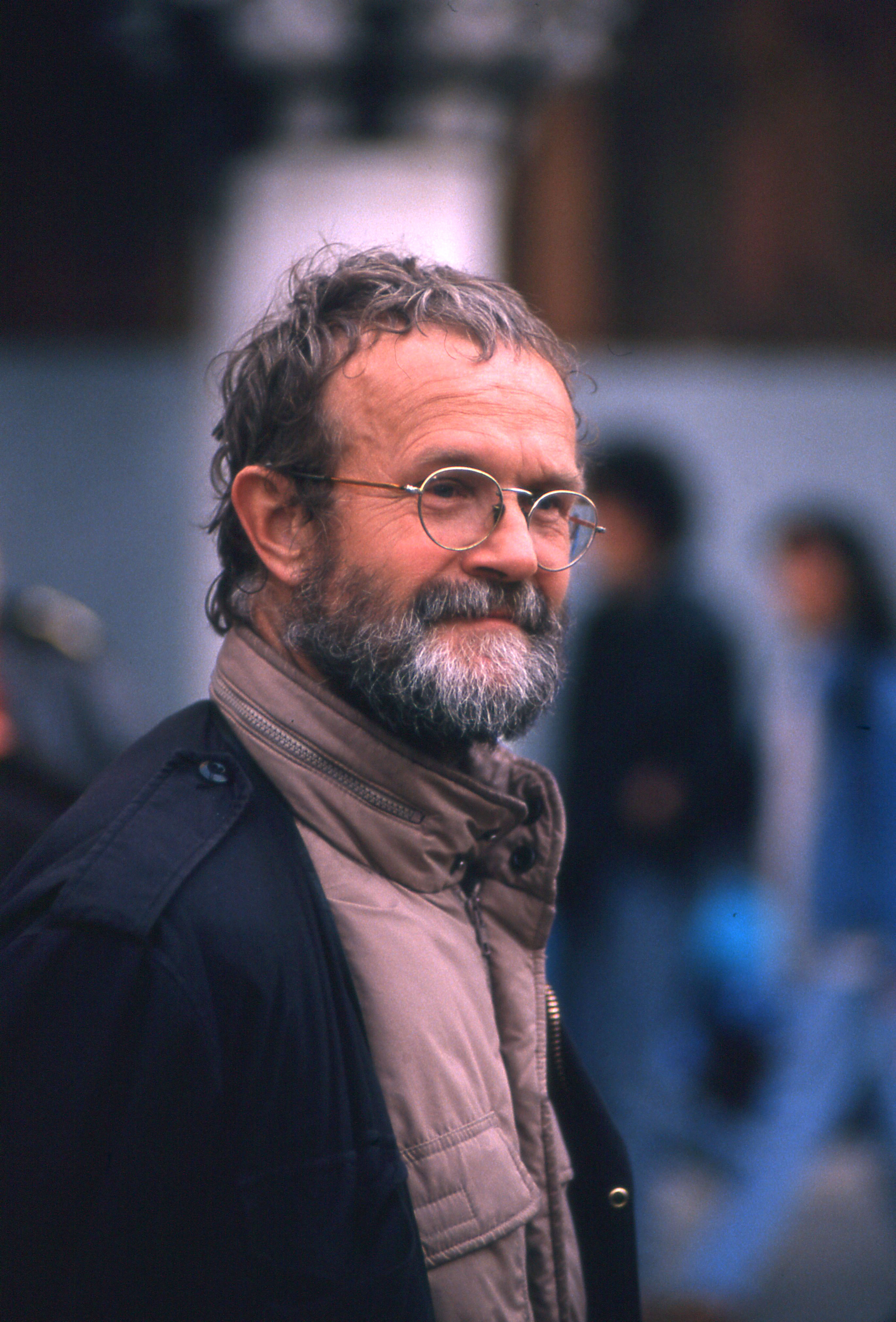
Josef Koudelka's photography is built on movement, exile and a fierce defense of independence. His quotes matter because they treat freedom as a working condition, not a romantic accessory.
Read this as a reference essay, not a quotation database
Photography Today uses this Josef Koudelka page to map recurring ideas and working position, not to replace primary research. Some lines are widely circulated as quotations, while others are compressed editorial readings of public themes. Before using any wording as a formal citation, check it against a primary interview, book, exhibition text, archive, or publisher source.
Why Josef Koudelka still matters
Josef Koudelka's words matter because they do not behave like motivational captions. They point back to decisions a photographer has to make in the real world: where to stand, how close to get, what kind of discomfort to accept, and how much of the self is allowed into the frame.
In this archive, 10 Quotes on Exile, Freedom, and the Road becomes a practical way to think about pictures rather than a decorative theme. The selected lines and ideas are useful when they slow the reader down and make technique feel connected to attention, responsibility, rhythm, doubt, editing and the pressure of choosing one frame instead of another.
How to read the lines
The best way to read Josef Koudelka's words is not to turn them into rules. A sentence that was true for one body of work can become false if it is applied mechanically to another. The point is to understand the pressure behind the sentence, not to imitate its surface.
Read Josef Koudelka as a working voice. Ask what kind of camera behavior, editing discipline, subject relationship or visual risk the line implies. If it changes how you walk with a camera, how you wait, or how you edit a sequence, it has done more than decorate a notebook.
What photographers can take from it now
Josef Koudelka's ideas are useful now because photography is still shaped by speed, platforms and constant publishing pressure. The archive matters when it returns the reader to attention, timing, relation and the choice to make one frame instead of many.
The enduring lesson is not that every photographer should work like Josef Koudelka. It is that every serious photographer needs a position. A camera records light, but a body of work records decisions. These ideas are valuable because they expose the decisions behind the pictures.
I don't want to be owned by anything.
If I cannot walk, I cannot photograph.
The maximum is what has always interested me.
Freedom has to be protected every day.
The road teaches you what you can live without.
A photograph needs intensity more than comfort.
Distance can become a form of attention.
Exile changes the way a landscape looks back.
A photographer must know when to leave and when to stay.
The picture should carry the pressure of being there.
Koudelka's quotes remain sharp because they make independence practical. They connect photography to walking, risk, restraint and the refusal to let comfort decide what can be seen.
Sources cited in this article
These links support the biographical and source context behind the Josef Koudelka reference essay. Treat the page as an editorial reading guide, and verify exact wording in primary interviews, books, exhibition material, or archives before formal citation.
- Wikipedia: Josef Koudelka en.wikipedia.org