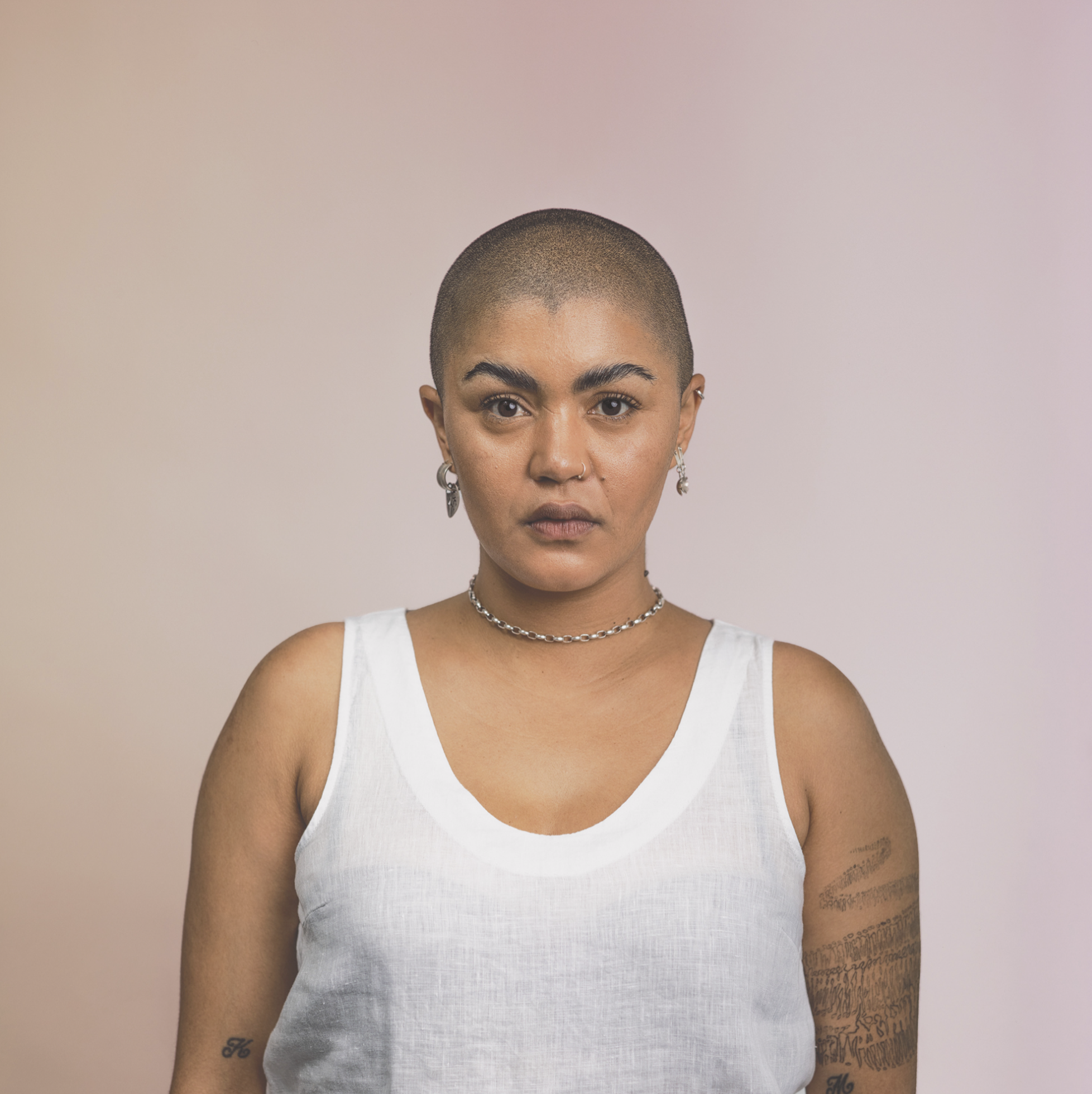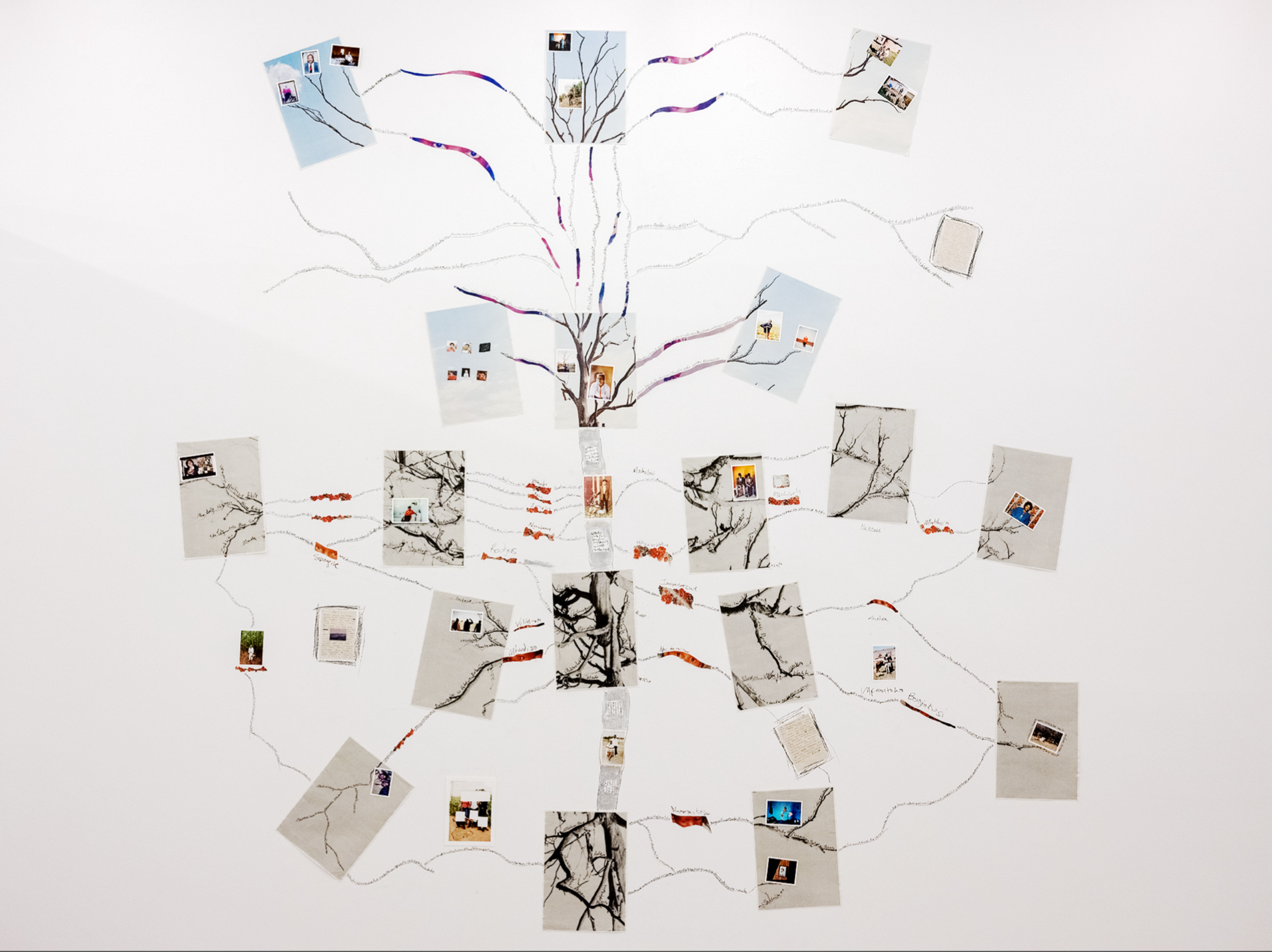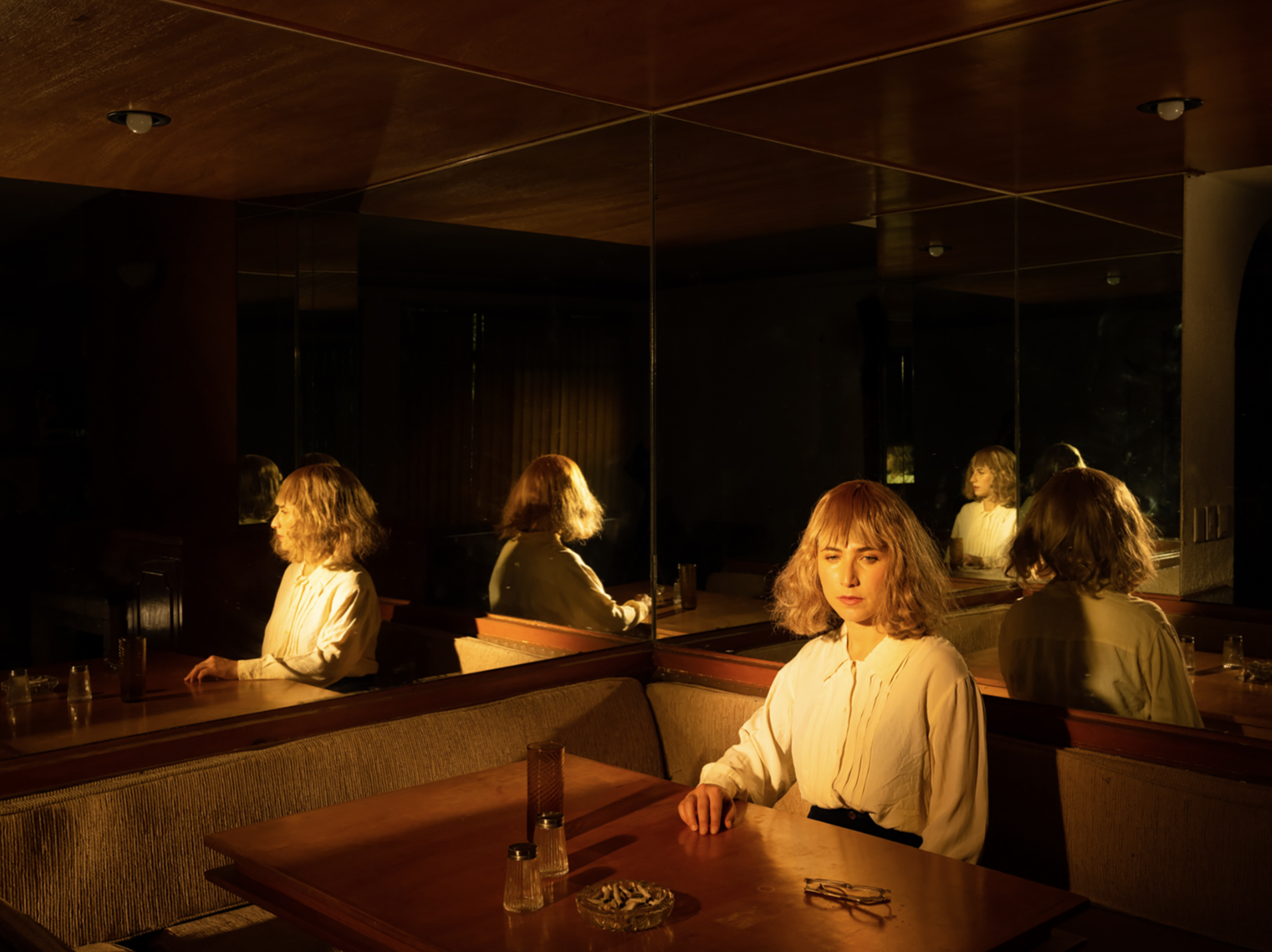
Exhibitions often become more interesting when they reveal how institutions are thinking about the medium. This article read MoMA's 'Lines of Belonging' as both an exhibition announcement and a statement about where contemporary photography is heading.
The original feature highlighted the exhibition's emphasis on identity, community, memory, and structural history. Rather than presenting photography as isolated object-making, the show was framed as a network of personal and political narratives.
A major theme was geography. By bringing together artists from different cities and traditions, the exhibition suggested that belonging is not a fixed identity but a contested visual and social condition.
For readers of the site, the piece worked as a reminder that photographic culture extends beyond cameras and gear. Museums still shape the way audiences understand what photography can say, and who gets to say it.
An Exhibition as Institutional Statement
MoMA's 'Lines of Belonging' mattered not only because of the artists included, but because exhibitions like this announce what a major institution thinks is urgent in contemporary photography. The curatorial framing around identity, migration, memory, and community signaled a medium being read through social and historical relation rather than isolated masterpiece logic.
That shift is important for readers who mainly encounter photography through cameras and product cycles. Museum shows still influence which conversations gain legitimacy, which kinds of stories are amplified, and how audiences are taught to read photographs in public.
Why Belonging Is a Photographic Question
Belonging may sound like a sociological theme, but it is profoundly visual. Photography has always played a role in constructing family, nation, memory, exclusion, and identification. Images do not simply record communities; they help define who appears inside them and under what conditions.
The exhibition's title therefore did real conceptual work. 'Lines' suggests both connection and separation, relation and border. That tension is exactly where many contemporary photographers are working: inside histories of movement, displacement, kinship, and institutional framing.
Why This Kind of Coverage Belongs on the Site
A portal focused on camera culture cannot live only on rumor posts and buying guides. Readers need to see where photography enters public thought as art, testimony, memory, and politics. Coverage like this expands the editorial identity of the site and keeps it from collapsing into commerce-only language.
That is why the article treated the show as more than calendar filler. It used the exhibition to argue that visual culture remains a living field of debate, and that a contemporary photography publication should make room for those debates alongside gear coverage.