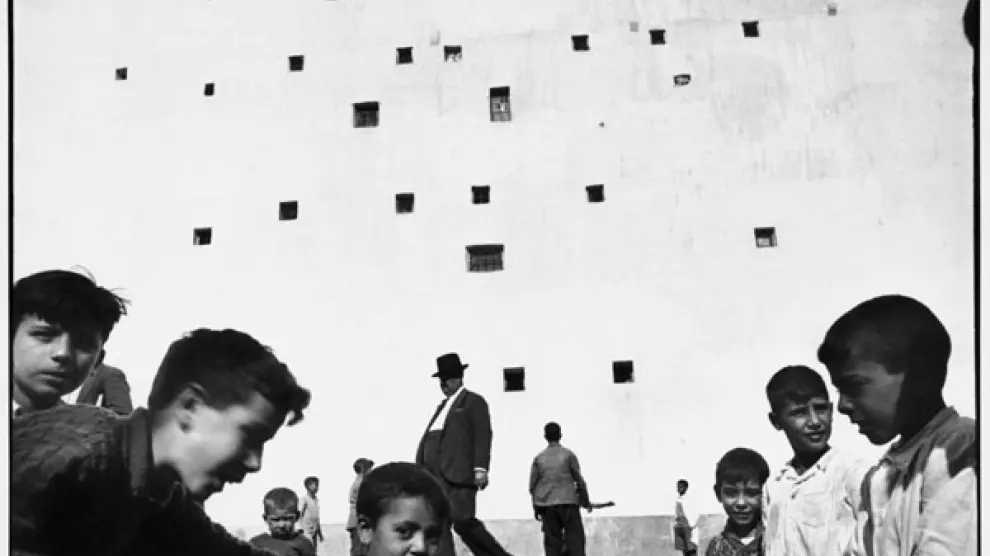
Perfect Days remains useful for photographers because it is built around routine, repetition and attention. Those are also the conditions that make compact cameras powerful.
The film follows Hirayama through daily rituals, small observations and repeated routes. Its photographic lesson is not about gear. It is about returning to the same world with enough patience that small differences become visible.
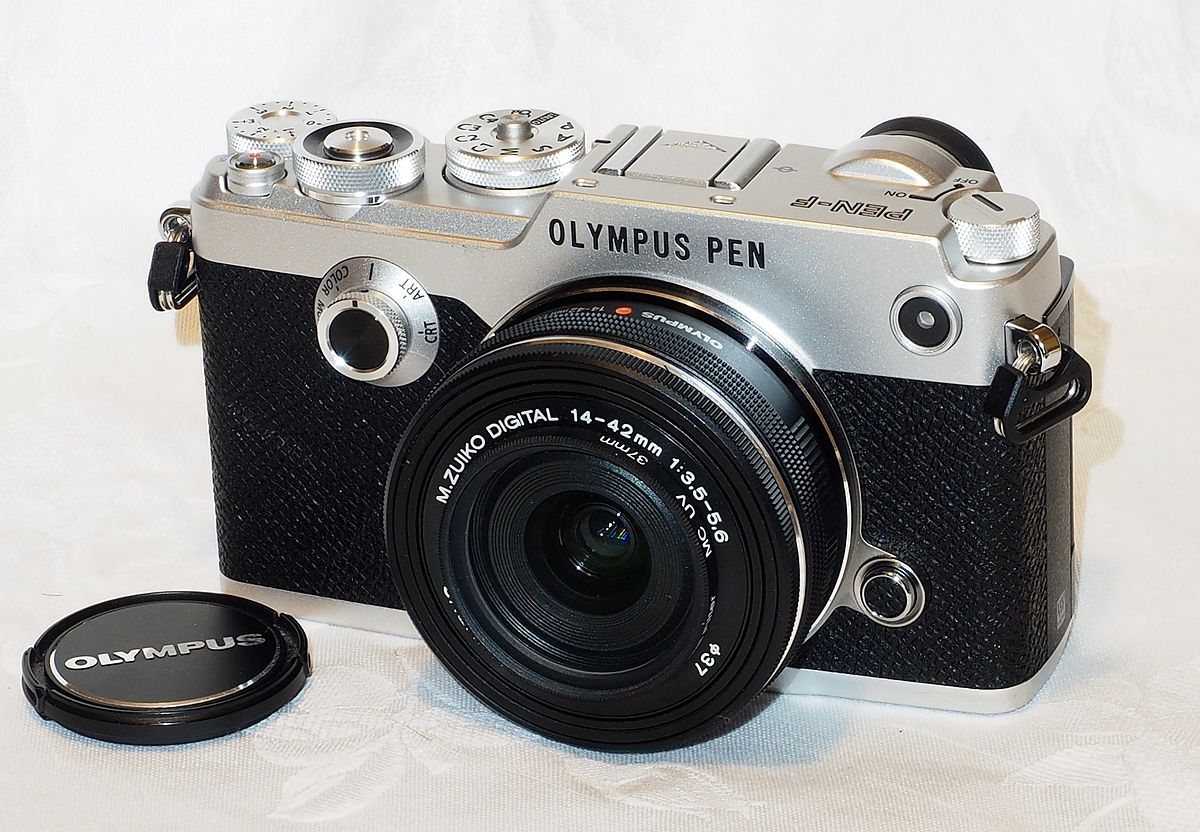
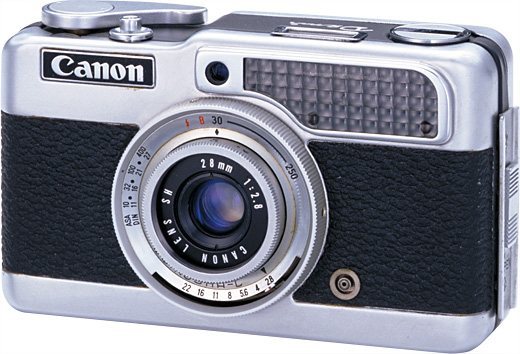
That is why the compact-camera connection still works in 2026. An Olympus Mju, a Ricoh GR, a small Fuji or a phone used with discipline can all become tools for this kind of seeing. The camera needs to be available, quiet and unthreatening. It does not need to dominate the day.
The danger is aestheticizing slowness as a lifestyle product. The better lesson is simpler: make a practice. Photograph the walk to work. Photograph the same corner at different hours. Learn how light, weather and repetition change a place.
Why small cameras fit the film
A small camera can stay with the body all day. That changes what gets photographed because the camera is present during ordinary transitions, not only declared photo sessions.
The compact camera's limits can become useful: one lens, quick response and less ceremony.
A 2026 exercise
Choose one route and photograph it for a month. Keep the camera the same. Do not chase novelty. Look for changes in gesture, light, signage, weather and mood.
That practice will teach more about seeing than another round of online camera comparisons.
The compact camera as a way of living
Perfect Days makes the compact camera feel meaningful because the camera is tied to routine, light and repetition. It is not a prop for nostalgia; it is part of a daily practice of noticing small changes.
That reading is useful for contemporary photographers because it cuts against gear escalation. A simple camera can matter when it is carried consistently and used with patience, even if it offers none of the drama of a new flagship body.
Sources cited in this article
For "Perfect Days and the Compact Camera in 2026," these sources ground the cultural argument in public records, archives, exhibitions, project material, or reporting.
- Perfect Days official site perfectdays-movie.jp
Photography history and visual literacy
Photobooks, archives, photographer voices, exhibitions and the older ideas that still shape how cameras are used.
- Anna Atkins: The Photographer Who Made the First Photo Book in Blue Inspiration
- Sergio Larrain's Letter to a Young Photographer: Walk First, Photograph Later Inspiration
- Cartier-Bresson and the Decisive Moment in the Digital Age Inspiration
- Photography Books for Visual Literacy in 2026 Inspiration
- MoMA New Photography 2025: Lines of Belonging After the Show Inspiration