
A lower-cost Ricoh GR III alternative is possible only if you define the GR correctly. The GR is not just a small camera. It is an APS-C, fixed-lens, pocketable tool built around speed, discretion and a very specific way of seeing.
Ricoh's GR III is hard to copy because its appeal comes from several things working together: a 24MP APS-C sensor, a 28mm-equivalent f/2.8 lens, a very small body, RAW support, image stabilization, Snap Focus behavior, and controls designed for fast one-handed shooting. A substitute that matches one trait usually misses another.
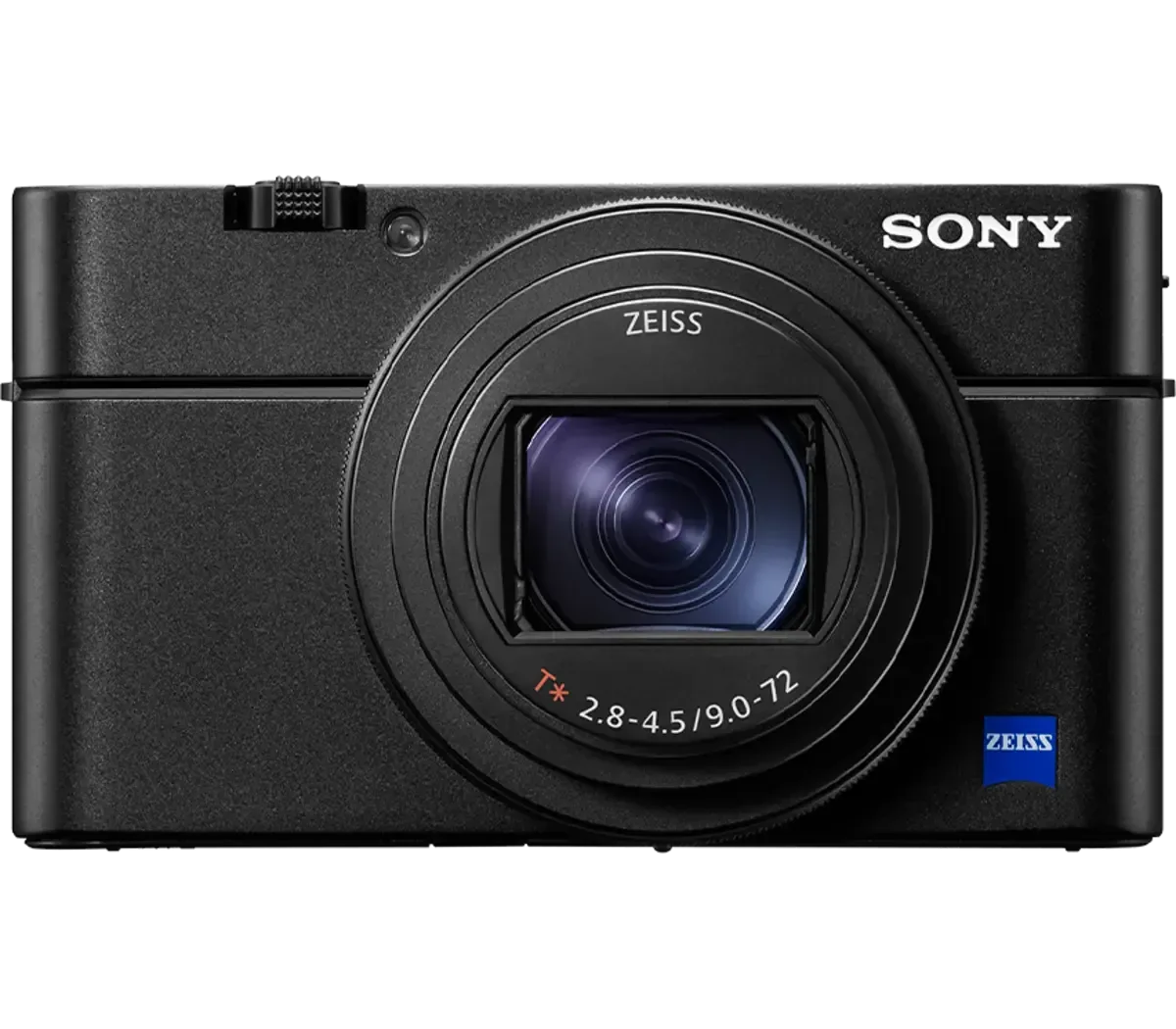
That is why the best alternatives are not a single magic bargain. They are different compromise paths. A Nikon Coolpix A gives you the closest old APS-C fixed-lens formula. A Fujifilm XF10 gives you a newer APS-C pocket compact with 28mm-equivalent discipline. A used Ricoh GR or GR II gives you the actual GR shooting language with older files and older reliability. A Sony RX100 gives you real pocket zoom flexibility, but not the GR's sensor size or fixed-lens discipline.
The wrong way to shop is to search for a secret GR III at one third of the price. The right way is to decide which part of the GR matters most: true pocket carry, APS-C files, fast zone-focus shooting, a 28mm perspective, or simply the habit of carrying a dedicated camera every day.
This matters in 2026 because compact cameras are no longer cheap by default. Social demand, phone fatigue and the cult around small cameras have pushed used prices upward. The budget choice has to be practical, not nostalgic.
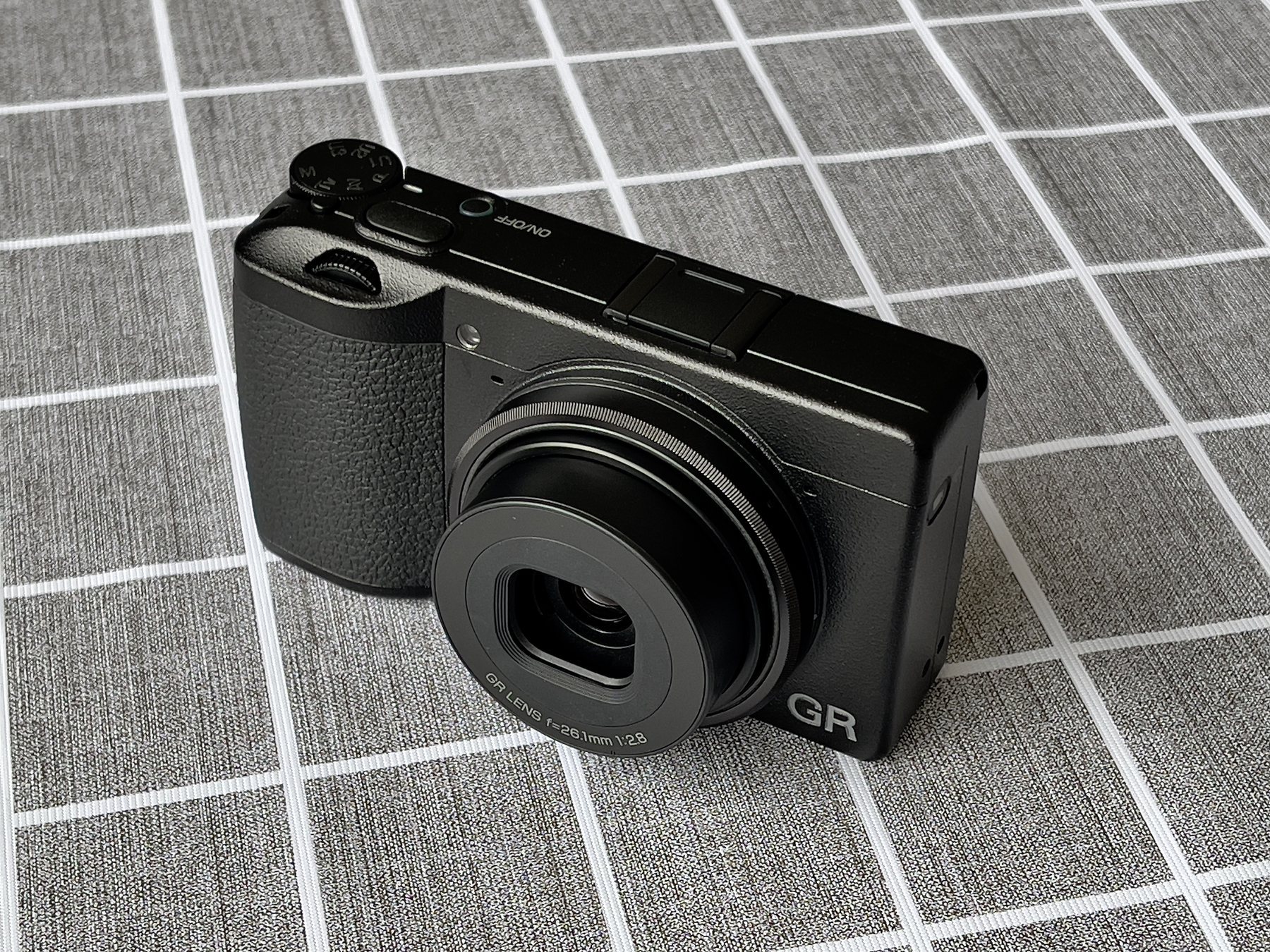
Ricoh GR III / GR IIIx: the reference point
The Ricoh remains the reference because the whole body is designed around one idea: a pocketable APS-C camera that gets out of the way. The 28mm-equivalent GR III and the 40mm-equivalent GR IIIx are not interchangeable in use, but they share the same appeal: small body, strong files, quick handling and the confidence of a camera that is always ready.
If you want the real GR rhythm, this is still the camera to measure everything against. The alternatives below can be cheaper or more flexible, but they do not reproduce the exact mix of Snap Focus culture, pocket size, sensor quality and one-handed operation.
Nikon Coolpix A: the closest old formula
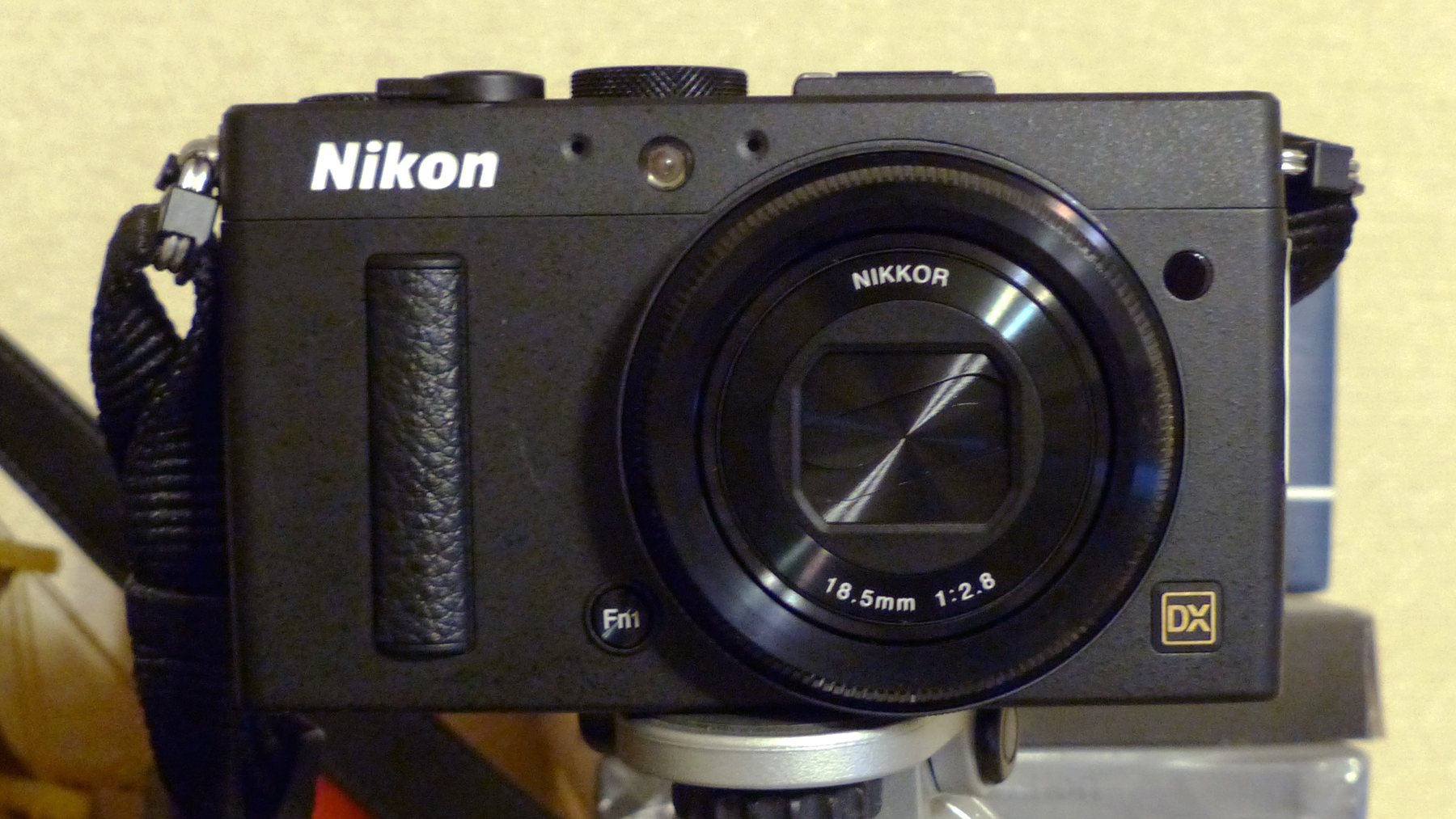
The Nikon Coolpix A is the most obvious historical rival because it uses a DX-format APS-C sensor and an 18.5mm f/2.8 lens, giving the same broad 28mm-equivalent idea as the GR III. Nikon announced it in 2013 as a premium compact, and on paper it still reads like a direct ancestor of the current compact-camera revival.
Its strength is image quality in a genuinely small fixed-lens body. Its weakness is age. Autofocus, screen quality, battery health and used-market condition all matter, and it does not give the same modern GR handling or stabilization. Buy it only if the price is meaningfully lower than a used GR III and the camera has been tested.
Editorial verdict: the Coolpix A is the closest lower-cost GR on concept, but not always on value. If the used price gets too close to a real GR, skip it.
Fujifilm XF10: the best value candidate
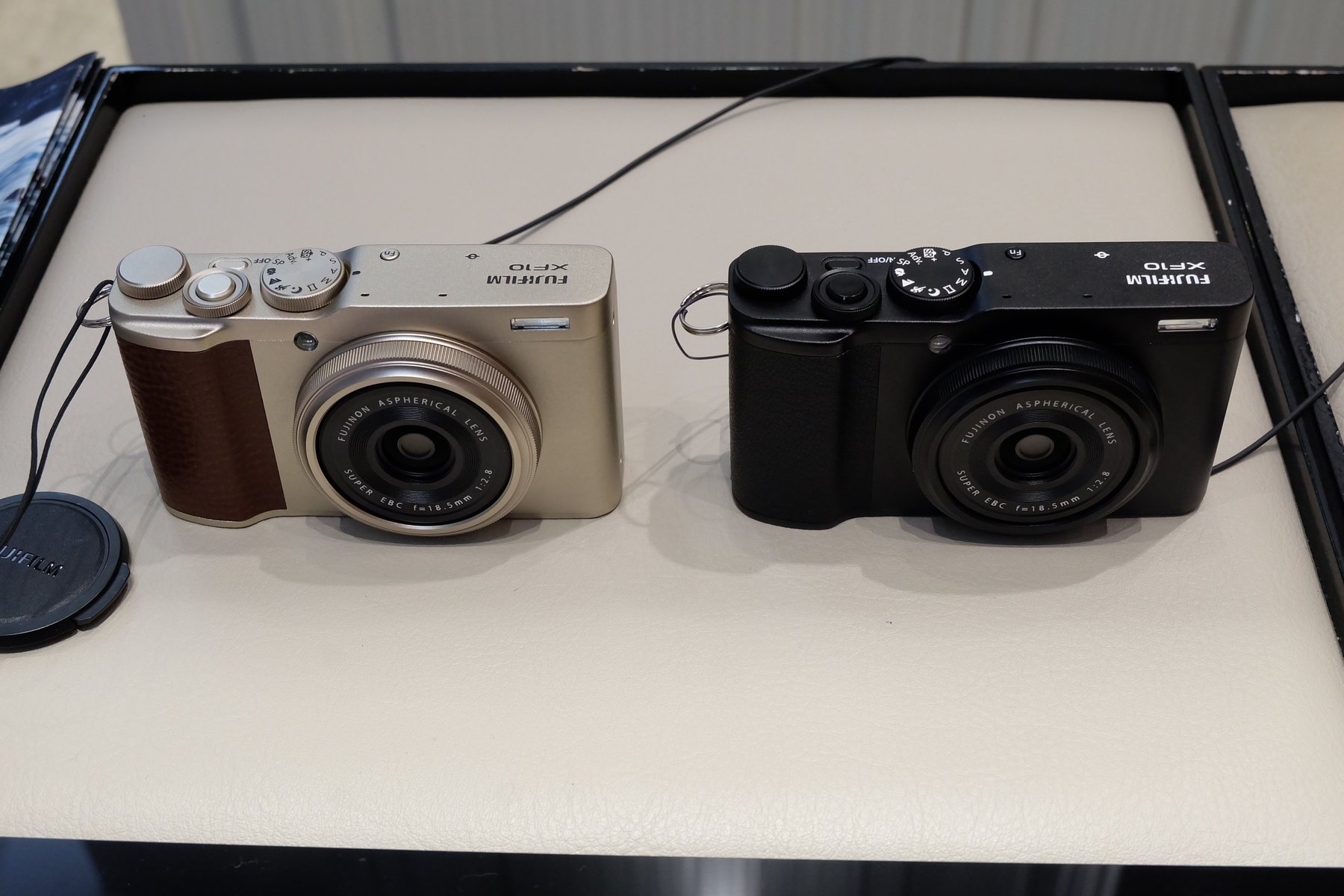
The Fujifilm XF10 is another serious candidate because it combines a 24.2MP APS-C sensor with an 18.5mm f/2.8 lens, again landing near the 28mm-equivalent GR field of view. It is small, relatively simple and less mythologized than the GR, which can make it a better used buy.
The XF10 is not a hidden GR III killer. Its autofocus and interface are not as frictionless, and it lacks the GR's Snap Focus culture. But for slow street work, travel, daylight documentary notes and photographers who like Fujifilm color, it can be a very sensible alternative.
Editorial verdict: the XF10 is the best value pick when the price is right. It is less immediate than the GR, but the files can be strong and the camera encourages a similar fixed-lens discipline.
Older Ricoh GR / GR II: the real GR bargain
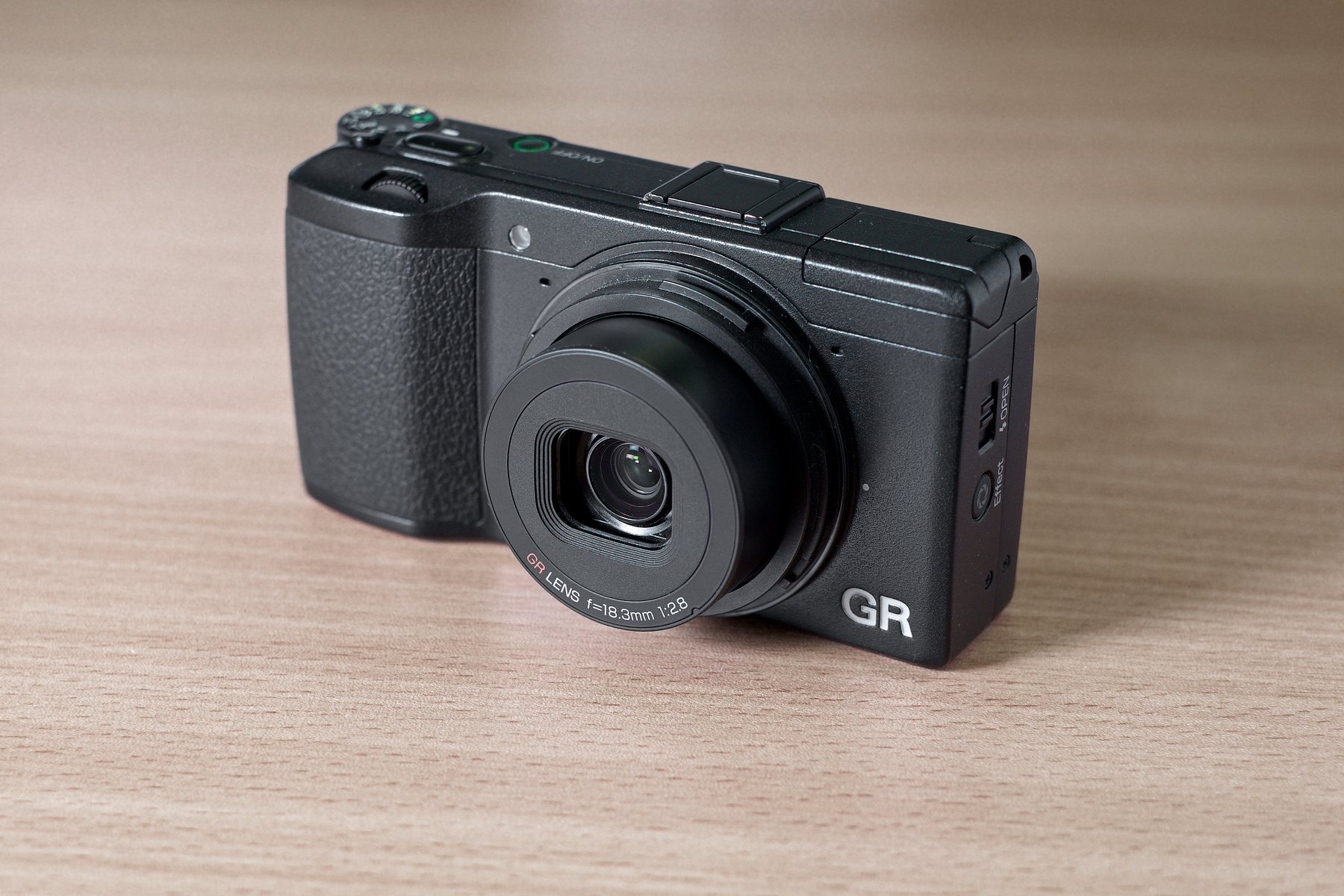
Sometimes the best budget GR III alternative is simply an older GR. The 2013 Ricoh GR and the GR II preserve the most important thing: the shooting language. You get the grip, the menus, the pocket-first body shape and the way the camera invites fast street work.
The compromise is technical. Older GR bodies mean older sensors, older batteries, more dust-risk history and less modern stabilization or connectivity. They can still be excellent cameras, but condition matters more than nostalgia.
Editorial verdict: if you want the GR experience, start here before buying a non-GR substitute. A clean older GR at the right price is often more coherent than a newer camera that only matches the focal length.
Sony RX100 VII: the pocket zoom route
The Sony RX100 line solves a different problem. The RX100 VII, for example, offers a 24-200mm-equivalent zoom in a pocket camera, which the GR will never do. That makes it stronger for travel, family use and situations where one fixed focal length feels too restrictive.
The tradeoff is equally clear: a 1-inch sensor is smaller than APS-C, the zoom lens changes the shooting rhythm, and the camera feels more like a premium pocket tool than a street-photography instrument. It is a good compact, but not a GR substitute in spirit.
Editorial verdict: buy an RX100 if you want one small camera for many focal lengths. Do not buy it expecting the fixed-lens directness of the Ricoh.
Small Micro Four Thirds and phones
A tiny Micro Four Thirds body with a pancake lens can be the cheapest path to good files and interchangeable-lens flexibility. The catch is physical: once a lens is mounted, most kits are coat-pocket small rather than jeans-pocket small. That one distinction changes whether the camera comes with you every day.
A phone is the lowest-cost alternative because you already own it, and modern computational photography is technically excellent. But phones behave like phones: notifications, apps, heavy processing and a social-media workflow are part of the object. The GR's value is partly that it does not pull you into that behavior.
Editorial verdict: Micro Four Thirds is the flexible budget route; the phone is the zero-cost route. Neither fully replaces the GR's single-purpose discipline.
What to buy
Buy the Nikon Coolpix A if you find a tested copy at a genuinely lower price and want the closest APS-C fixed-lens formula. Buy the Fujifilm XF10 if you want the best value and can accept slower handling. Buy an older Ricoh GR if the shooting experience matters more than the latest specs.
Buy a Sony RX100 if zoom flexibility matters more than GR purity. Build a small Micro Four Thirds kit if you need lenses. Use a phone deliberately if the real goal is to spend nothing and practice composition.
Save for the GR III or GR IIIx if what you actually want is Snap Focus, pocket APS-C files, one-handed speed and the specific Ricoh way of working. Buying three almost-right cameras is usually more expensive than waiting for the right one.
Sources cited in this article
For "Budget Ricoh GR III Alternatives: What Actually Comes Close," these sources support the value comparison, used-market caution, and camera-history context.
- Ricoh Imaging: GR III product page us.ricoh-imaging.com
- Ricoh Imaging: GR III and GR IIIx specifications ricoh-imaging.co.jp
- Nikon: COOLPIX A announcement nikon.com
- Nikon: COOLPIX A specifications nij.nikon.com
- Fujifilm: XF10 product page fujifilm-x.com
- Fujifilm: XF10 specifications fujifilm-dsc.com
- Sony Electronics: RX100 VII product page electronics.sony.com
- Wikimedia Commons: Ricoh GR IIIx image commons.wikimedia.org
- Wikimedia Commons: Ricoh GR image commons.wikimedia.org
- Wikimedia Commons: Nikon Coolpix A image commons.wikimedia.org
- Wikimedia Commons: Fujifilm XF10 image commons.wikimedia.org
Budget and alternative cameras
Older compacts, half-frame film, sleeper bodies and realistic alternatives where condition and price matter as much as specs.
- Budget Pentax 17 Alternative: Is the Chaika Half-Frame Camera Worth It? Budget Cameras
- Cheap Cyber-shot and Coolpix Compacts Are Back Camera News
- Sony RX100 VIII Status Check 2026: The Camera We Still Have Not Seen Camera News
- Canon PowerShot G7 X Mark III in 2026: Still Useful, No Longer Obvious Camera News
- Yongnuo YN455: Android, Micro Four Thirds and a Camera That Arrived Too Early Camera News