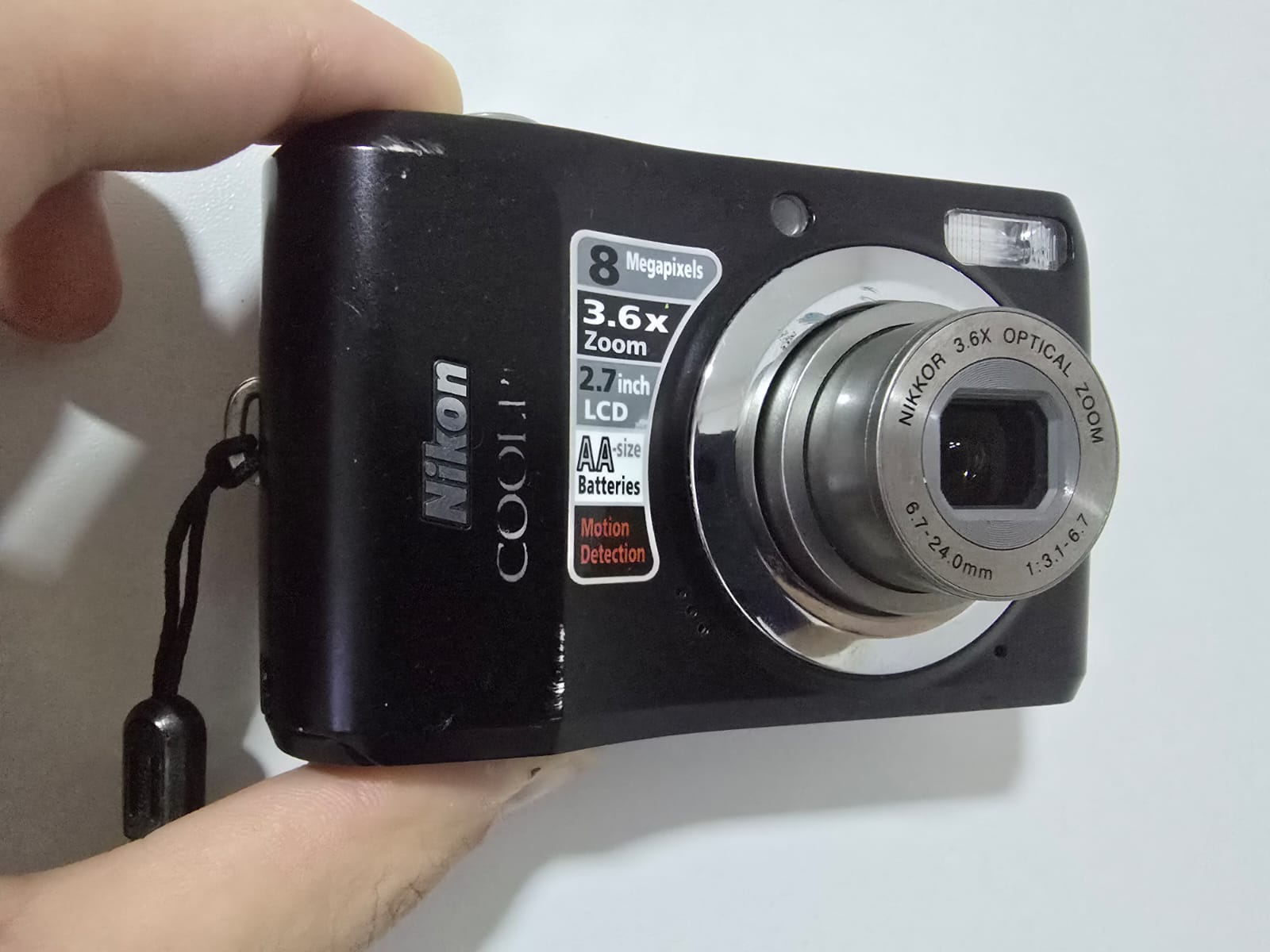

The compact-camera comeback is happening first at the cheap end: old Sony Cyber-shot, Nikon Coolpix and Canon PowerShot point-and-shoots that fit in a pocket and make imperfect little JPEGs.
This is the side of the revival that matters most for everyday buyers. Not every compact camera comeback story has to begin with a Ricoh GR, a Fujifilm X100VI or a new premium creator compact. A lot of the energy is around the small, slightly battered cameras people used to leave in drawers: Cyber-shot, Coolpix, PowerShot, Lumix, FinePix and other 2000s or early 2010s point-and-shoots.
The appeal is not technical superiority. Phones are sharper, cleaner and easier to share from. The appeal is that these little cameras behave differently: hard direct flash, tiny sensors, simple zooms, old JPEG color, date-stamp nostalgia and a screen that does not immediately pull you into messages or apps.
That is why the trend feels bigger than a used-camera price spike. A cheap compact changes the act of photographing. It makes a night out, a trip, a party or a street walk feel less like phone documentation and more like a small photographic object you can hand around.
This is the cheap compact revival
The cheapest compact-camera comeback is built around old pocket cameras with tiny sensors and no prestige problem. A Sony Cyber-shot W-series, a Nikon Coolpix L-series, an old Canon PowerShot A or ELPH, a Panasonic Lumix or a Fujifilm FinePix can deliver the exact feeling buyers are chasing: point, flash, zoom, miss a little, get a file that does not look like a phone.
That matters because it keeps the trend accessible. A Ricoh GR or Fujifilm X100VI is a serious photographic tool with cult demand attached. A used Coolpix or Cyber-shot is closer to a fun camera you bring because it changes the mood of the pictures.
Why the look works
The look works because the camera is limited. Tiny sensors clip highlights quickly. Older JPEG engines push color in blunt ways. Built-in flash makes skin, chrome, glass and night streets look more direct. The lenses are not perfect, and that is part of the appeal.
A phone usually tries to solve the image. A cheap compact often leaves the picture alone enough to feel accidental. That difference is why buyers describe these cameras as more honest, more fun or more real, even when the file is objectively worse.
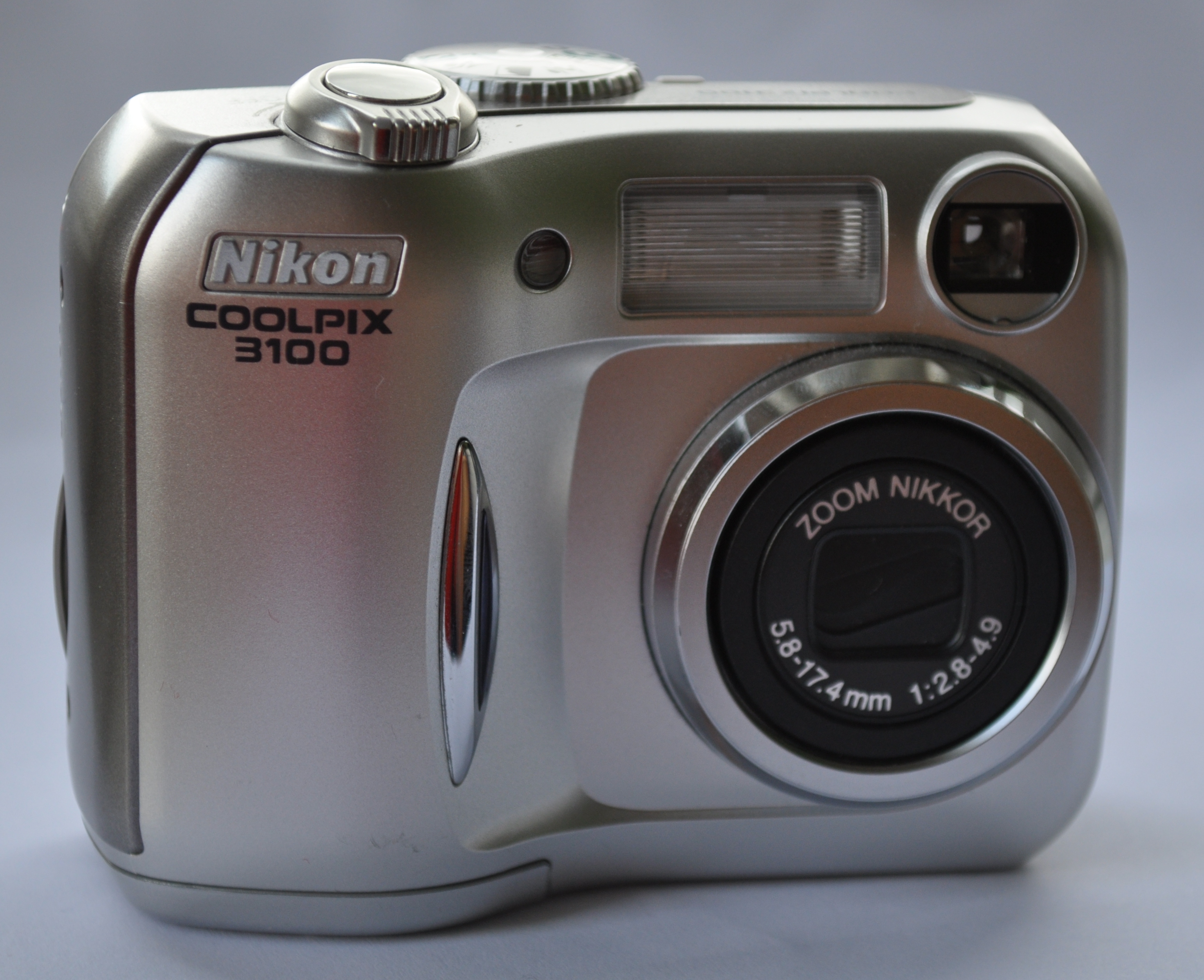
Do not pay Ricoh prices for a toy camera
There is a premium compact story running next to this one. The Ricoh GR line, Fujifilm X100VI, Sony RX100 and newer creator compacts are real cameras with stronger sensors, better lenses and more serious controls. They are not the same category as a cheap Cyber-shot or Coolpix.
That distinction matters for price. The fun compact trend can make sellers ask irrational money for ordinary cameras. A basic old point-and-shoot is worth buying when it is cheap, tested and complete. It stops making sense when the price gets close to a modern used enthusiast compact.
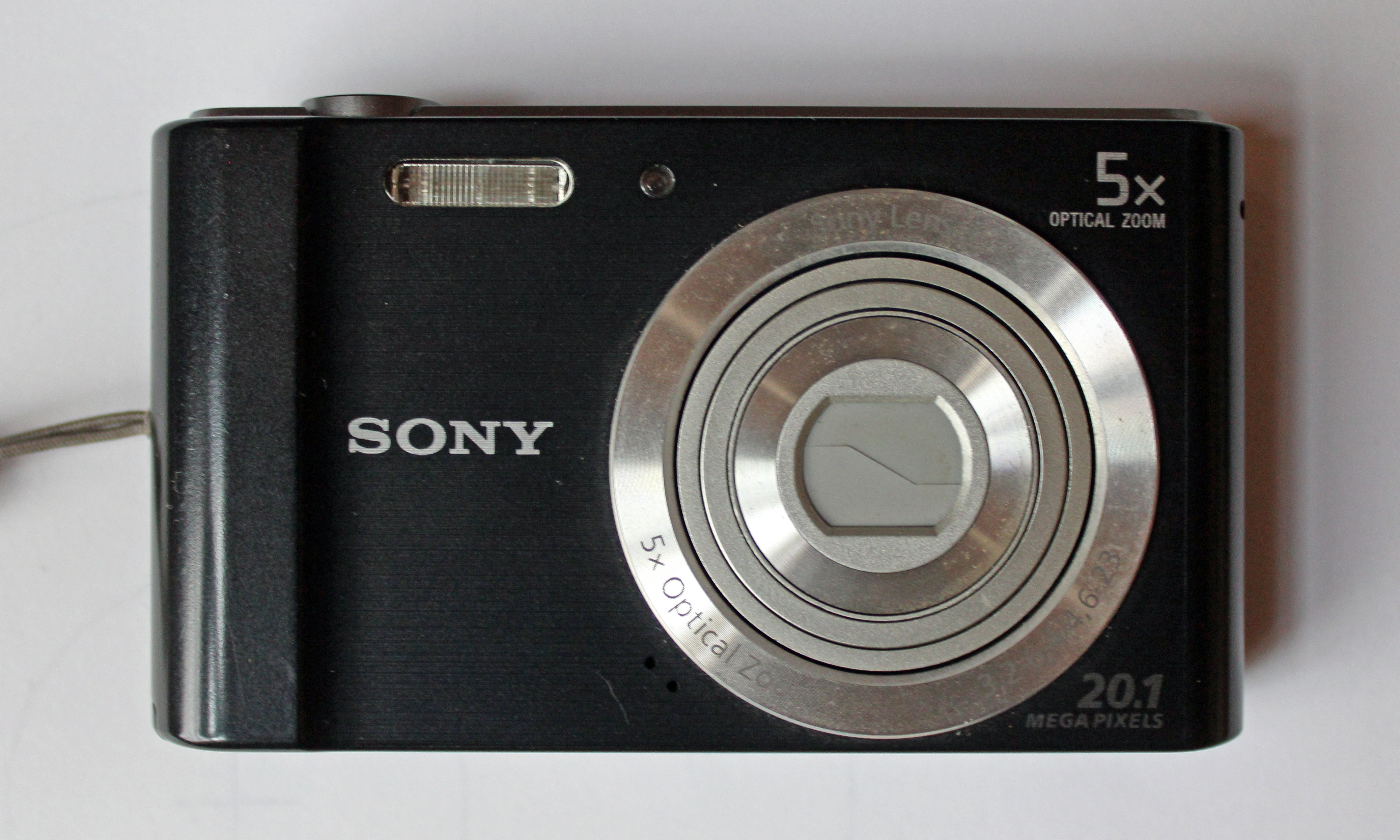
What to buy carefully
Buy condition before buying hype. Check that the camera powers on, focuses, zooms without a lens error, fires the flash, writes to a card and includes the correct battery and charger. Some older models use Memory Stick, xD-Picture Card, proprietary batteries or fragile doors that are harder to replace than the camera is worth.
AA-powered models can be a good practical choice because batteries are easy to find. Very old cameras can still be fun, but expect slow startup, weak screens, limited dynamic range and occasional failures. Those flaws are charming only when the price leaves room for them.
Read the broader compact-camera guide
This story is about the cheap Cyber-shot, Coolpix and PowerShot side of the comeback. The broader buying question is bigger: which kind of small camera actually fits your work?
Our 2026 compact-camera guide separates creator compacts, premium zooms, action cameras, Ricoh-style pocket cameras, cheap point-and-shoots and phones.
What makes a cheap compact worth buying
The useful vintage compact is not the rarest listing or the one with the most nostalgic branding. It is the one that still meters, focuses, fires flash, writes files cleanly and gives a visual character that makes you carry it instead of leaving it in a drawer.
Buyers should treat every used Cyber-shot, Coolpix or PowerShot as an individual object. Battery availability, card format, lens haze, stuck zooms and sample files matter more than the model name once prices start rising.
Sources cited in this article
For "Cheap Cyber-shot and Coolpix Compacts Are Back," these sources separate confirmed product information from editorial interpretation, market context, and buying-risk analysis.
- CIPA: 2025 digital still camera production and shipments cipa.jp
- Digital Camera World: Japan's popular compact cameras and retro-style demand digitalcameraworld.com
- PetaPixel: compact camera sales more than doubled in Japan petapixel.com
- Wikimedia Commons: Nikon Coolpix L19 image commons.wikimedia.org
- Wikimedia Commons: Nikon Coolpix 3100 image commons.wikimedia.org
- Wikimedia Commons: Sony Cyber-shot DSC-W800 image commons.wikimedia.org
Compact-camera revival
Pocket cameras, creator compacts, Ricoh GR discipline, RX100 demand, and the reason small dedicated cameras still matter.
- Compact Cameras in 2026: Why Small Cameras Came Back Camera News
- Best Compact Cameras in 2026: G7 X Mark III, PowerShot V1, RX100 VII or Ricoh GR? Camera News
- Camera Grand Prix 2026: What the Winners Say About Cameras Now Camera News
- Canon PowerShot G7 X Mark III in 2026: Still Useful, No Longer Obvious Camera News
- Canon PowerShot V1 Analysis 2026: A Compact Camera Built for Creators Reviews