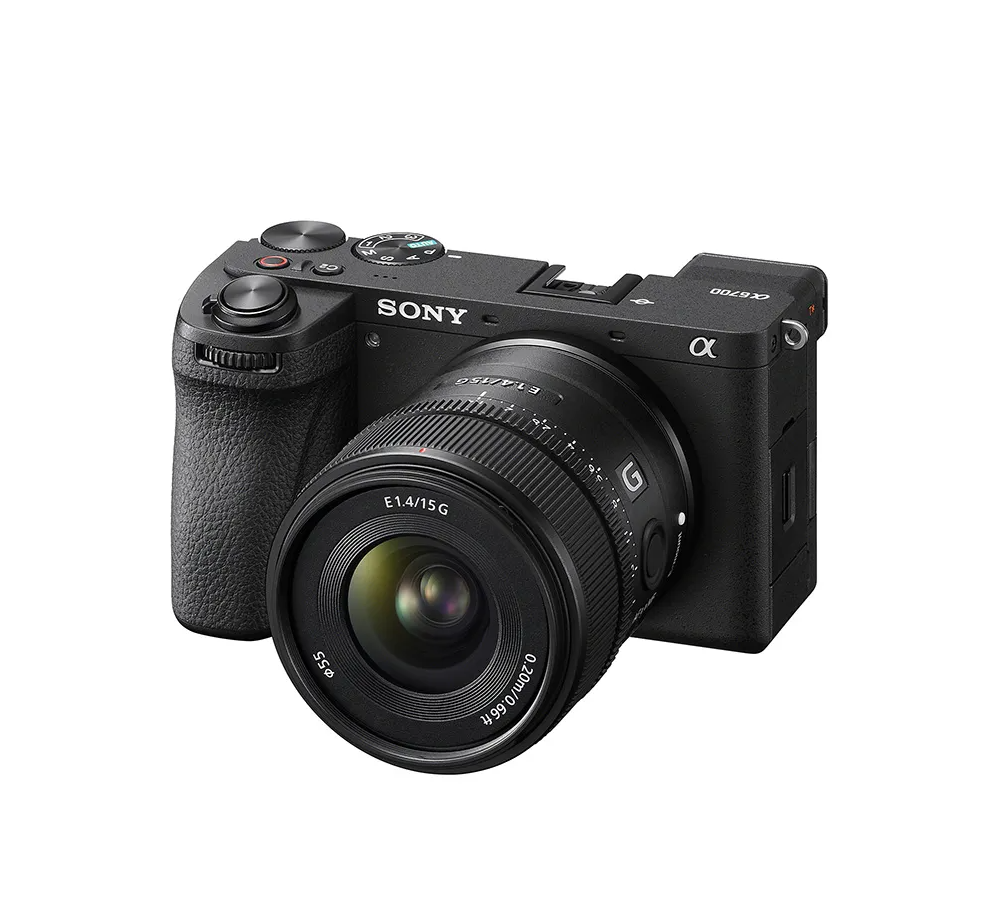
The 2024 APS-C buying conversation is dated. In 2026, APS-C is a mature format with real choices for stills, video, travel and hybrid work.
The biggest change since older APS-C guides is that the format now has clearer identities by brand. Sony leads the hybrid autofocus and video argument with the a6700. Fujifilm continues to own the photography-first experience with bodies such as the X-T5 and smaller creator options like the X-M5. Nikon's Z50II makes DX more viable inside the Z system. Canon's R10 remains one of the easiest lightweight RF entry points.
What has not changed is the importance of lenses. A strong APS-C kit should be built around two or three lenses that match the photographer's actual work: a small standard zoom or prime, a portrait lens and maybe a telephoto or wide-angle. Without that plan, any body recommendation is incomplete.
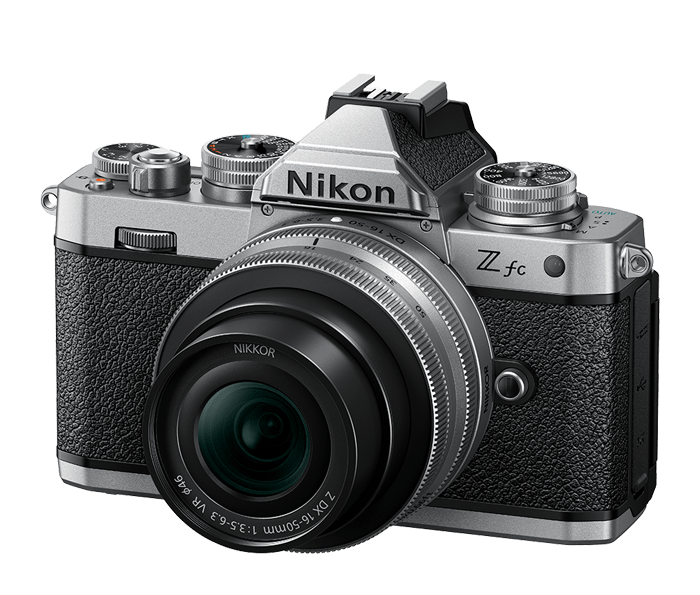
The best 2026 advice is to choose the system you want to carry. APS-C wins when the kit stays light enough to leave the house. If the bag becomes as heavy and expensive as full frame, the format loses much of its point.
A simple 2026 shortlist
For hybrid work, start with Sony a6700. For photography-first work, start with Fujifilm X-T5. For Nikon users, consider Z50II. For a light Canon system, consider EOS R10.
These are not universal winners. They are starting points based on workflow.

The lens test
Before buying, price the lens you will use most. If that lens is unavailable, too slow or too expensive, choose another system.
A camera body becomes old quickly. A useful lens kit stays relevant much longer.
Why this story still matters in 2026
The useful way to read this camera news story now is not as a frozen launch note. It is a marker of how quickly camera culture changes: features that looked unusual a year earlier can become expected, while small ergonomic decisions often matter longer than headline specifications.
For photographers, the lasting question behind "APS-C Cameras in 2026: What Changed Since the 2024 Guides" is practical. Does the product, rumor or technology change what someone can actually carry, focus, expose, edit, deliver or afford? If the answer is no, the story is only noise. If the answer is yes, it belongs in the archive.
What photographers should take away
The best buying and gear decisions usually come from identifying the constraint first. Some readers need autofocus confidence. Others need smaller files, better color, cheaper lenses, stronger video tools or a camera that feels less like a phone. The same announcement can be important for one photographer and irrelevant for another.
That is why this site treats specifications as evidence rather than decoration. A camera story should help the reader understand tradeoffs, not just remember numbers. The strongest conclusion is often not what is newest, but what is actually useful enough to change a working habit.
How the Archive Should Grow
The strongest version of Photography Today is not only a stream of new posts. It is an archive that becomes more useful with time: old rumors clarified, older camera reviews updated, image credits improved, and buying guides rewritten when the market changes.
That means growth is editorial as much as technical. More traffic is useful only if the site remains worth returning to: clear headlines, accurate context, real images, readable pages and a point of view that respects photographers as working, thinking people.
Sources cited in this article
These links are included so readers can inspect the source material, official product pages, public records, or reporting used for this story.
- Sony Electronics: Alpha 6700 product page electronics.sony.com
- Fujifilm X Series: X-T5 product page fujifilm-x.com
- Nikon USA: Z50II product page nikonusa.com
- Canon USA: EOS R10 product page usa.canon.com