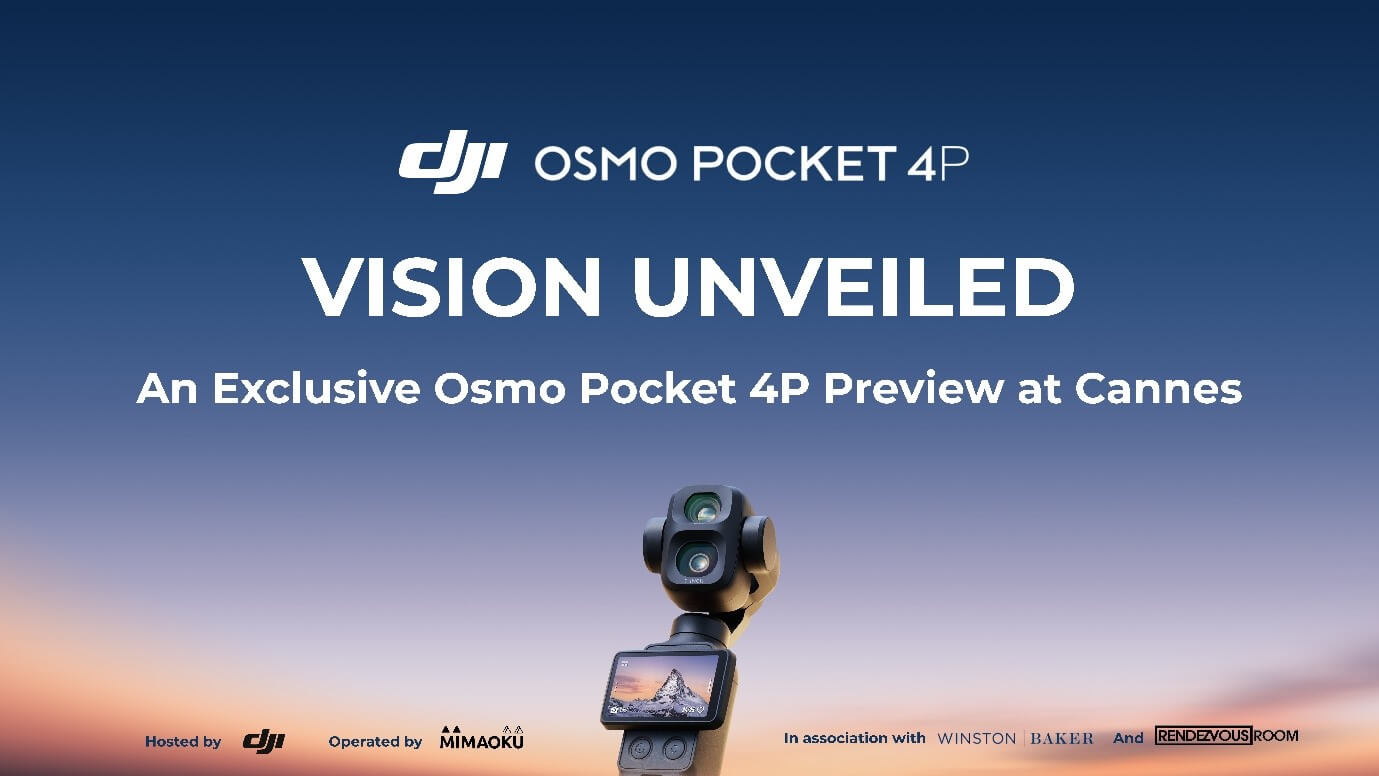
Read the Osmo Pocket 4P as DJI testing how far a pocket camera can move into small-crew video without becoming a rig.
DJI's Cannes announcement puts the Osmo Pocket 4P in a more ambitious frame than travel vlogging. The confirmed story is a compact gimbal camera aimed at creators who need stabilized motion, quick audio and a camera that can be carried without a cage, lens bag or phone-first workflow.
That does not automatically make it a miniature cinema camera. The important question is whether the two-view design, higher-resolution video modes and OsmoAudio connection solve real production friction rather than only creating a stronger spec sheet.
For photographers, the split is cultural as much as technical: the compact-camera revival now has still-photo nostalgia on one side and pocket video tools on the other. Both trends come from the same desire to move deliberate image-making away from the phone.
Why Cannes matters
Cannes is a branding stage, not a lab test. Its value here is that DJI chose to position a pocket gimbal camera beside film culture rather than only in the travel-accessory lane.
The positioning is important because the compact-camera revival is no longer only nostalgic. Small cameras are being rebuilt as deliberate tools for people who want speed, discretion and a physical capture object without carrying a full rig.
The two-lens idea changes the rhythm
The 16mm view gives the Pocket 4P the wide, stabilized look people expect from an Osmo camera: walking shots, interiors, travel, vlogging and quick documentary coverage. The 50mm view is the more interesting addition because it gives the body a tighter portrait and detail perspective without making the shooter crop everything later.
That does not make it an interchangeable-lens camera. It does make it a more flexible compact. A pocket gimbal with only one wide view can look repetitive very quickly. A built-in normal-to-short-tele option gives creators a different rhythm: establish, move closer, cut to detail, return to motion.
Compact-camera culture from the video side
The current compact-camera mood is split in two. On one side are cheap old point-and-shoots with flash, noise, tiny sensors and old JPEG color. On the other side are small new tools like the Pocket 4P, built for creators who want a camera that is more deliberate than a phone but less demanding than a mirrorless kit.
Both trends come from the same frustration: phones are incredibly capable, but they make every picture feel connected to the same glass rectangle and the same app loop. A dedicated compact camera, whether old or new, changes the behavior around the image.
Read the cheap compact-camera comeback story
The Pocket 4P is the modern creator side of the small-camera return.
For the cheaper vintage side, read the guide to Cyber-shot, Coolpix and PowerShot point-and-shoots that are coming back through the used market.
Who should care
The obvious audience is solo creators, travel filmmakers, social video producers, documentary shooters and anyone who wants a camera that can move quickly without looking like a production setup. The OsmoAudio connection is especially important because sound is often where small-camera workflows fall apart.
It is not the right answer for every photographer. Anyone who needs a lens system, a larger stills sensor, flash photography, optical viewfinders or deep manual still-photo ergonomics will still be better served by a dedicated camera body. The 4P matters most where a creator needs motion, sound and speed in a camera that does not turn every outing into a kit decision.
The workflow test
The Osmo Pocket 4P should be judged by what it removes from a small production: a balancing step, a separate audio workaround, a phone rig, or a lens-choice delay. Pocket video tools earn their place when they make a shot easier to get without making the footage feel careless.
Its strongest audience is not the photographer who wants a smaller mirrorless body. It is the creator who needs stable motion, fast sound and a second field of view while moving through a place with very little setup time.
Sources cited in this article
For "DJI Osmo Pocket 4P at Cannes: The Pocket-Cinema Bet," these sources separate confirmed product information from editorial interpretation, market context, and buying-risk analysis.
- DJI: Osmo Pocket 4P Cannes debut dji.com
- PetaPixel: DJI announces Osmo Pocket 4P petapixel.com