Compact cameras are not coming back because photographers forgot smartphones exist. They are coming back because the phone solved convenience and left a different desire exposed: a small camera that feels intentional.
The compact-camera revival is easy to misread if it is treated as nostalgia. The stronger reading is that photographers and creators are trying to get away from the phone without taking on the cost, size and decision fatigue of a full mirrorless kit. They want something small enough to carry daily, direct enough to use quickly, and distinct enough to make the act of photographing feel separate from messaging, scrolling and app-based editing.
That does not mean one category has returned. In 2026, the small-camera conversation is fragmented. Canon's PowerShot V1 points toward creator-first compact video. The older G7 X Mark III explains the appeal of a bright pocket zoom and simple handling. Sony's RX100 VII still represents the premium travel zoom idea. Action cameras such as DJI's Osmo Action 5 Pro pull the category toward rugged capture, stabilization and first-person travel work.
The practical question is therefore not whether compact cameras beat phones. Most buyers already know phones are convenient. The better question is whether a small dedicated camera changes behavior: whether it makes someone carry a camera more often, react faster, zoom optically, shoot longer video without phone anxiety, or edit from a file that feels less disposable.
This is not the old point-and-shoot market
The old point-and-shoot promise was simple: better images than a phone-sized device before phones became dominant. That promise is no longer enough. A modern compact has to offer a clearer use case: video reliability, optical zoom, pocket discipline, rugged mounting, real controls, or a file pipeline that helps the user get away from phone capture.
That is why the category now feels less like a single aisle and more like a set of small tools. A travel photographer may want a zoom compact. A vlogger may want a wide creator camera with cooling. A cyclist may want an action camera. A street photographer may prefer a fixed-lens APS-C compact. These buyers are all asking for smallness, but not for the same reason.
Canon PowerShot V1 and the creator compact
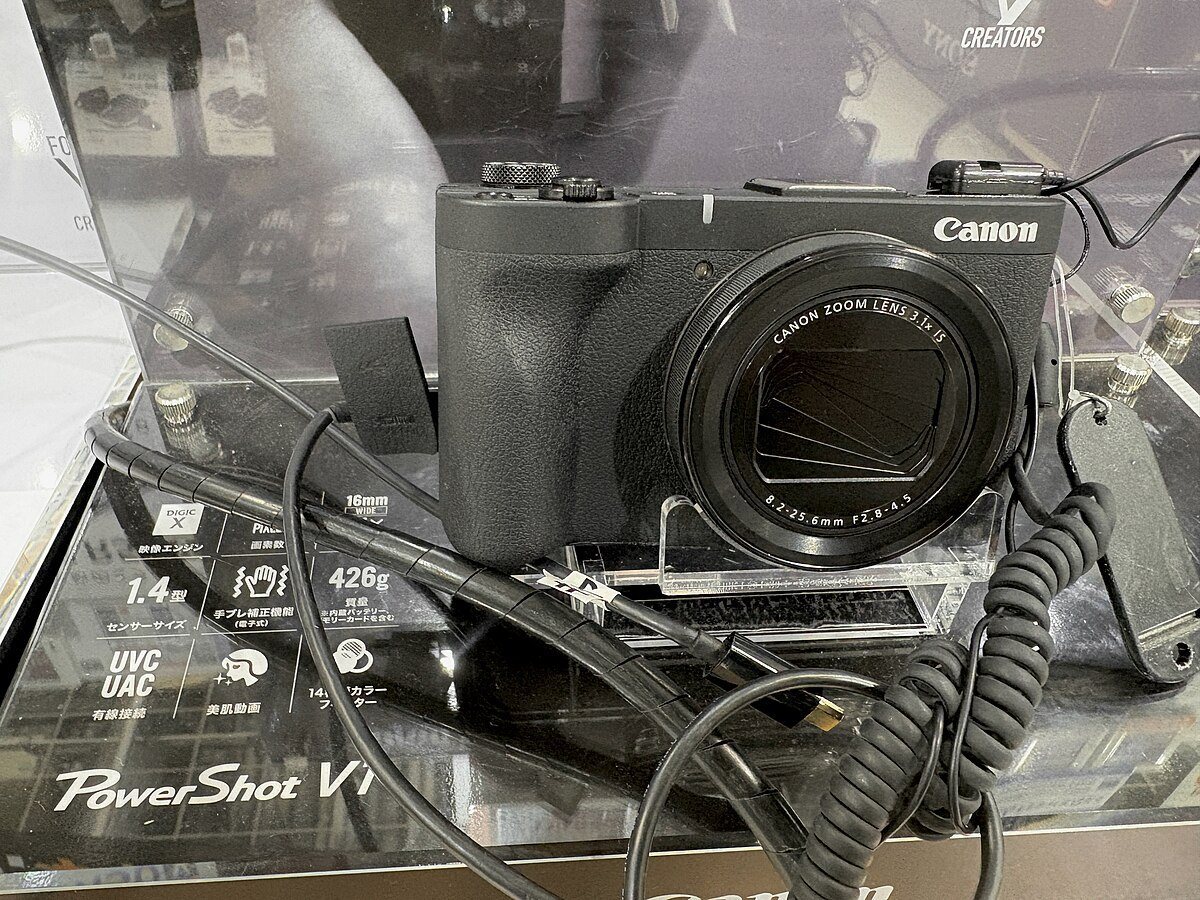
Canon's PowerShot V1 is useful because it refuses to pretend the compact camera is only a stills device. Canon positioned it around a 1.4-type 22.3MP sensor, a 16-50mm equivalent stills lens, Dual Pixel CMOS AF II for PowerShot, a still/movie switch, USB workflow and an internal cooling fan for longer video recording.
That combination says a lot about where the market moved. The V1 is not trying to be a tiny enthusiast rangefinder. It is trying to be a camera a creator can use for handheld video, desk recording, travel clips, product demos, livestreaming and stills without entering interchangeable-lens complexity.
The limitation is equally important. A creator compact can be excellent and still not satisfy a photographer who wants a viewfinder, longer zoom reach, tactile exposure dials or the discreet handling of a classic street camera. The V1 is a strong answer only if the question includes video.
The G7 X and RX100 problem
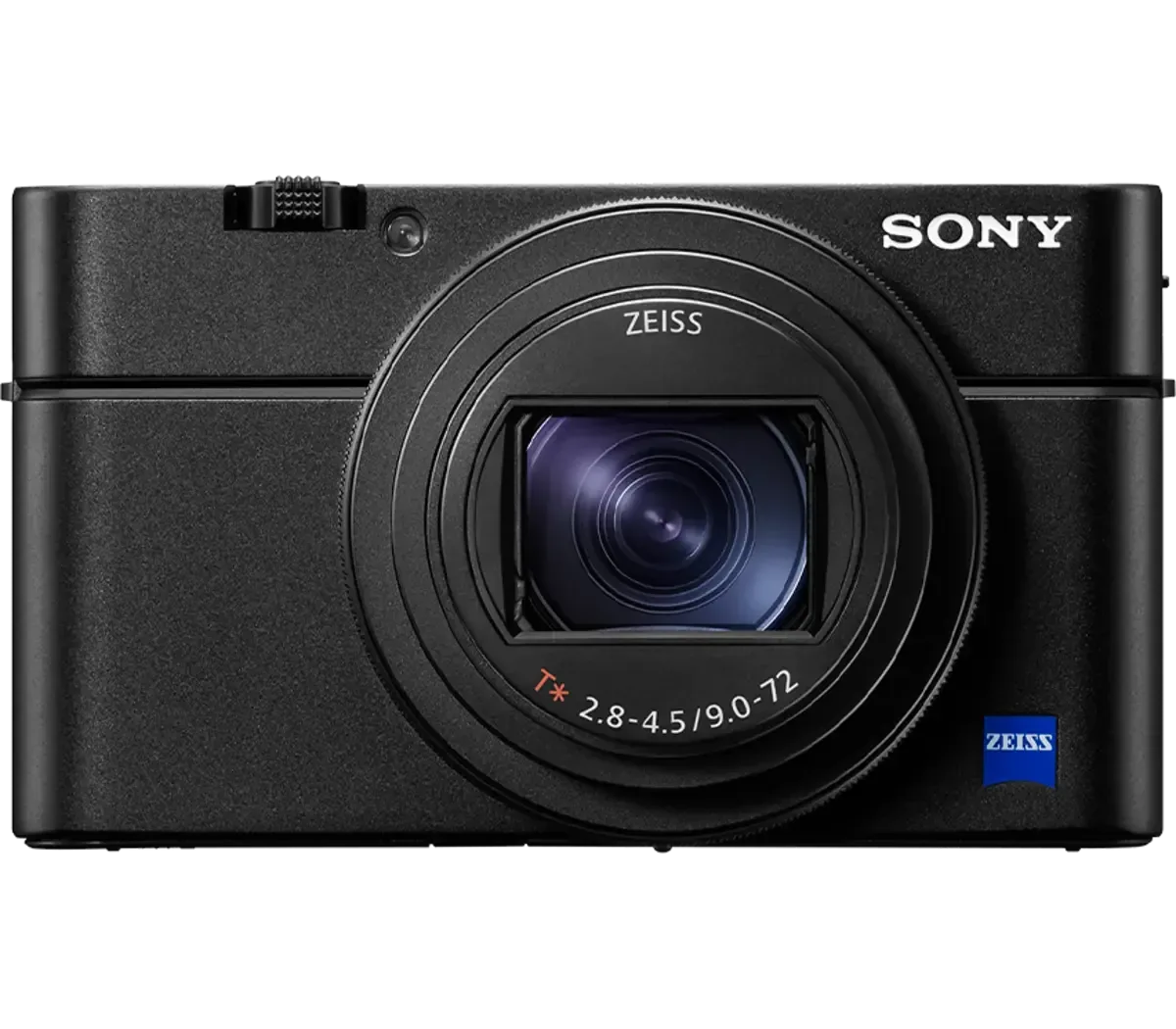
The Canon G7 X Mark III and Sony RX100 VII explain why older compact ideas still have force. The G7 X Mark III offered a 1-inch class pocket camera with a bright zoom, tilting screen and straightforward creator workflow. The RX100 VII pushed the premium compact in a different direction, with a longer 24-200mm equivalent zoom and the kind of travel flexibility phones still imitate imperfectly.
Those cameras matter because optical behavior still matters. A phone can simulate perspective choices, background blur and low-light correction, but it cannot make a small camera feel like a separate photographic object. For many users, that separation is the feature.
The tradeoff is price and age. Older premium compacts can become inflated on the used market, and a camera that once felt advanced may now look dated beside modern phone processing. Buying one in 2026 only makes sense if the handling, zoom range, battery routine and file quality fit a real workflow.
Where action cameras fit
Action cameras are part of the compact story because they solve a different problem: not pocket photography, but durable photography. DJI's Osmo Action 5 Pro announcement leaned on image quality, dynamic range, battery life, subject tracking and rugged adventure use. That is not the same appeal as a G7 X or RX100, but it competes for the same bag space.
For travel and documentary work, this matters. A small action camera can go on a helmet, handle rain, record movement and cover situations where a phone feels vulnerable and a mirrorless camera feels excessive. It will not replace a stills compact for composition and zoom control, but it changes what can be recorded without hesitation.

Who should actually buy a compact camera now
Buy a compact camera in 2026 if it changes what you carry and how you shoot. That may mean a PowerShot V1 for video-first travel, a used G7 X-style compact for simple creator stills and clips, an RX100-style zoom compact for reach, an action camera for movement, or a Ricoh-style camera for daily visual discipline.
Do not buy one only because the category feels fashionable again. A small camera can become an expensive drawer object if it does not beat the phone in a specific part of your life. The best compact is the one that earns a place in your pocket before you leave the house, not the one that wins a comment-thread argument.
The comeback is behavioral
Compact cameras returned because they change the behavior around photographing. A phone is always connected to messages, maps, payments and feeds; a small dedicated camera turns the act of looking into a separate decision.
That does not make every compact camera good. The revival is credible only when the camera gives something specific back: flash character, pocket discipline, a real zoom, stronger color, better handling, or a reason to photograph without reopening the phone loop.
Sources cited in this article
For "Compact Cameras in 2026: Why Small Cameras Came Back," these sources separate confirmed product information from editorial interpretation, market context, and buying-risk analysis.
- Canon USA: PowerShot V1 announcement usa.canon.com
- Canon USA: PowerShot G7 X Mark III support and specifications usa.canon.com
- Canon USA: PowerShot 30th anniversary news usa.canon.com
- Sony Electronics: RX100 VII product page electronics.sony.com
- DJI: Osmo Action 5 Pro announcement dji.com
Compact-camera revival
Pocket cameras, creator compacts, Ricoh GR discipline, RX100 demand, and the reason small dedicated cameras still matter.
- Best Compact Cameras in 2026: G7 X Mark III, PowerShot V1, RX100 VII or Ricoh GR? Camera News
- Camera Grand Prix 2026: What the Winners Say About Cameras Now Camera News
- Canon PowerShot G7 X Mark III in 2026: Still Useful, No Longer Obvious Camera News
- Canon PowerShot V1 Analysis 2026: A Compact Camera Built for Creators Reviews
- Ricoh GR IV Analysis 2026: The Snapshot Camera Gets Sharper Reviews