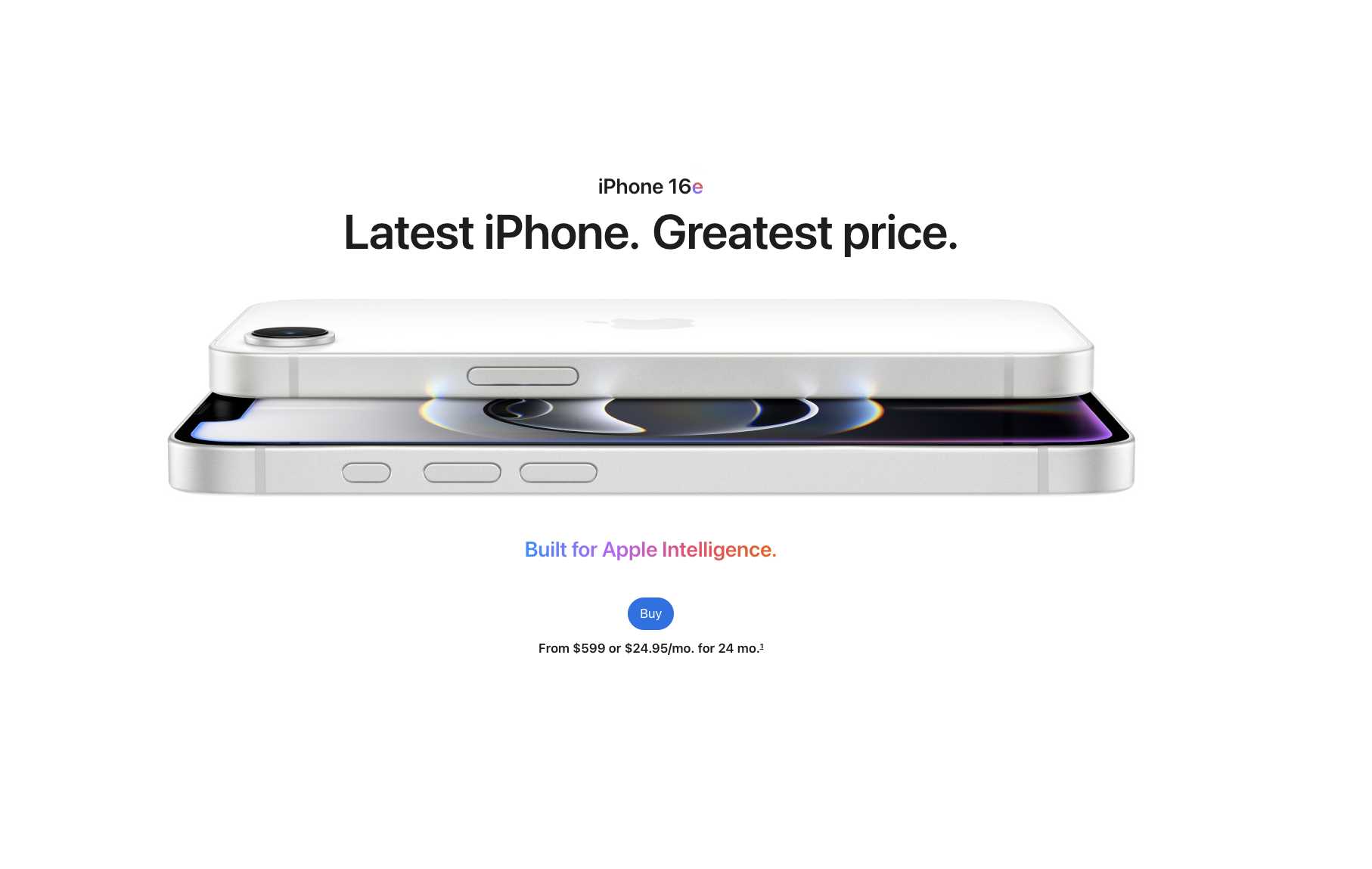
Budget-friendly Apple hardware always raises the same question: how much camera performance survives the price cut. This article looked at the iPhone 16e from a photographer's perspective rather than a general smartphone reviewer's angle.
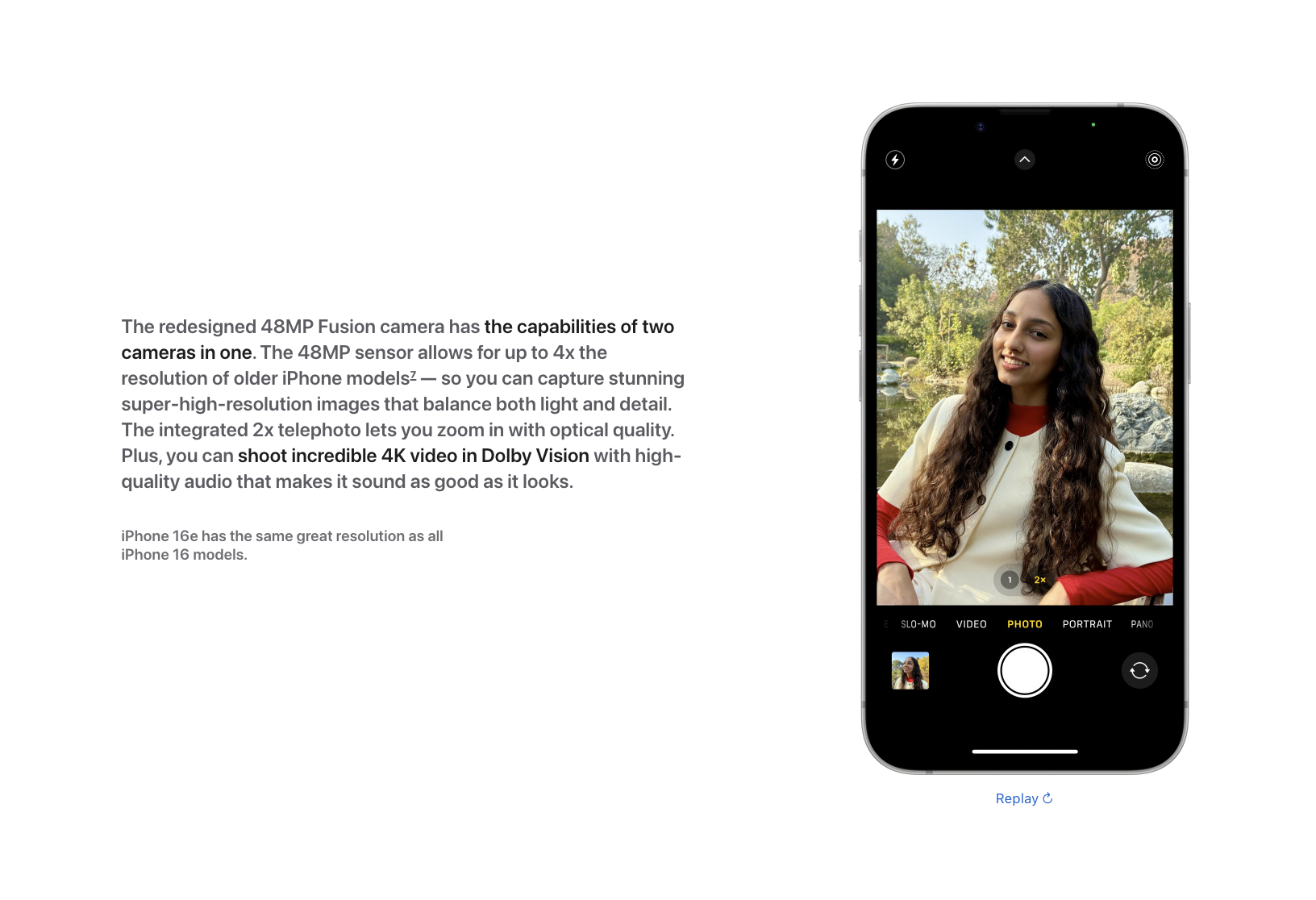
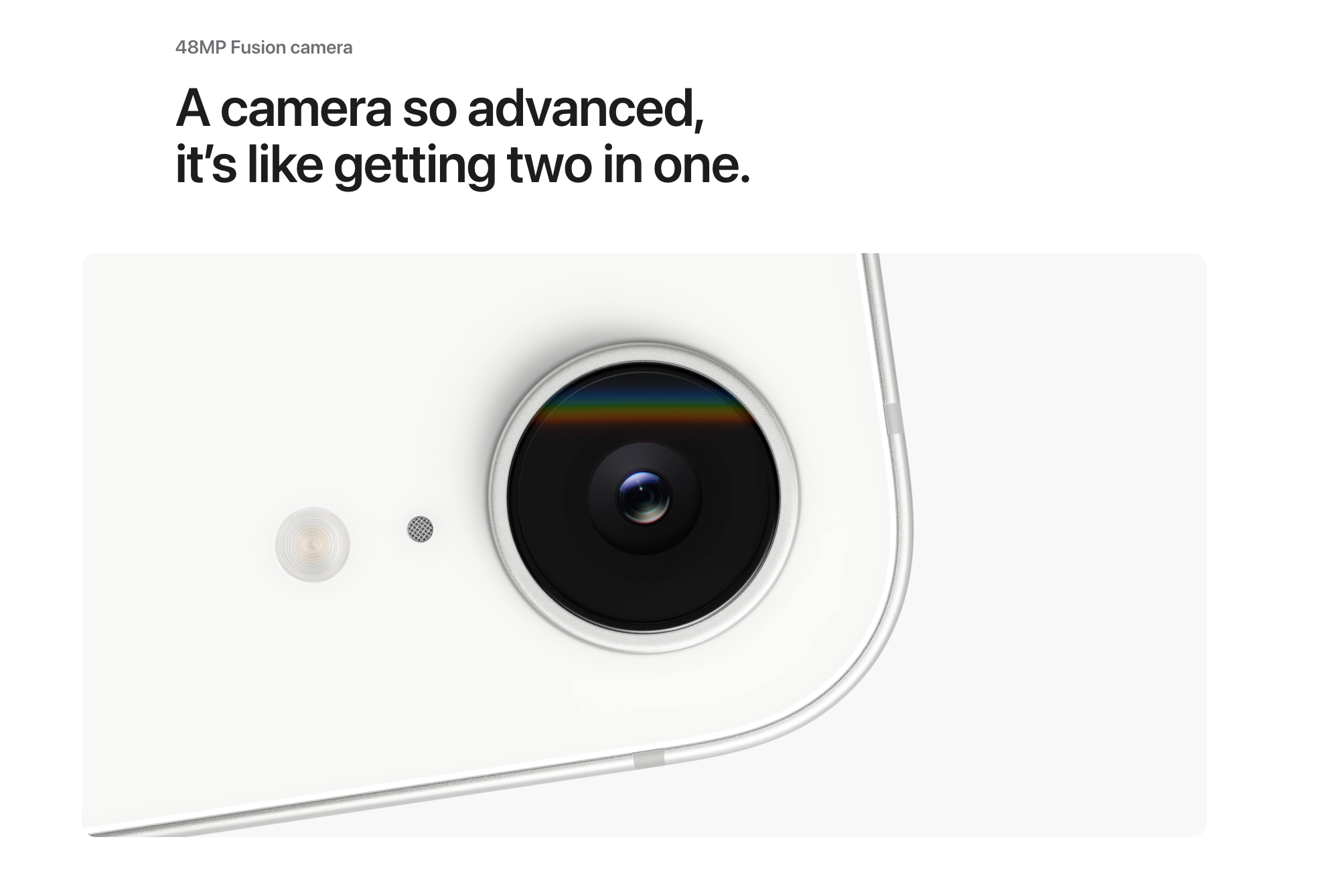
The core argument was straightforward: the iPhone 16e could be a capable everyday photography device, but only if your expectations match its positioning. The main sensor and Apple's image processing gave it a strong baseline, especially for users who prioritize convenience and color consistency.
Where the phone became less convincing was versatility. The article emphasized the missing ultra-wide flexibility and the difference between producing pleasant smartphone photos and offering a genuinely broad photographic toolkit.
Instead of treating the 16e as a bargain miracle, the piece framed it as a practical entry point for casual image-makers, travelers, and social-first users who want the Apple pipeline without paying flagship money.
The Real Question Behind a Budget iPhone Camera
The most useful way to evaluate the iPhone 16e was not to ask whether it could match Apple's premium phones shot for shot. It was to ask whether its compromises changed the daily photographic experience enough to matter for the people who would realistically buy it.
That distinction is important because the majority of users do not live inside controlled camera tests. They care about speed, reliability, color, exposure, and whether the phone can make quick, repeatable pictures under mixed lighting, while traveling, or while documenting ordinary life without friction.
Where It Works and Where It Stops Short
For daylight shooting, portraits, casual travel photographs, and social-first use, the 16e remained credible because Apple's processing pipeline is built around consistency. Skin tones, contrast, and automatic handling are often more valuable to mainstream users than theoretical flexibility they may never exploit.
The limits appeared when photographers wanted broader visual options. Missing lens variety, reduced compositional flexibility, and the narrower room for experimentation make the device less persuasive for users who want a phone-camera to behave like a miniature system rather than a polished point-and-shoot replacement.
Who This Device Actually Serves
The strongest argument for the iPhone 16e was practical rather than aspirational. It made sense for readers who wanted dependable everyday photography, the Apple workflow, and enough image quality to document family life, travel, and online publishing without entering flagship pricing.
That also means the article needed to resist the easy headline that every Apple release is automatically a great camera for everyone. The 16e was a good fit for a specific user profile: someone who values convenience, color stability, and integration more than lens variety or manual-style control.