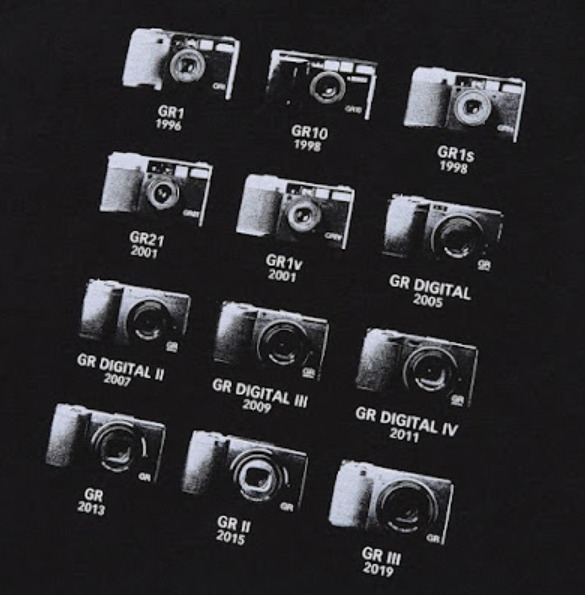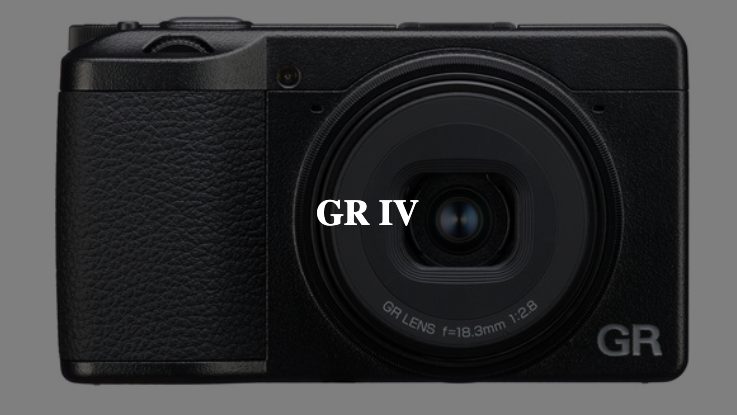
The Ricoh GR line remains one of the most beloved compact systems in photography, so every GR IV rumor matters. This archive follows the release-date speculation, the likely upgrades, and the reasons street photographers are still waiting for Ricoh's next move.
The original article tracked a familiar pattern: early rumor cycles promised an unrealistically quick launch, while more credible reports pointed to a later release window. That distinction matters because GR cameras usually attract buyers who care about the whole experience, not just a spec bump.
The expected changes centered on sensor refinement, autofocus, battery life, and processing speed. The question was never whether Ricoh could add features, but whether it could keep the GR philosophy intact: pocketable size, direct handling, and image quality that justifies carrying a dedicated compact in 2025.
For readers following the category, the piece framed the GR IV as more than a new product announcement. It positioned the camera as a test of whether premium compacts still have room to evolve in a smartphone-first market.
Why the GR IV Rumor Cycle Matters
Rumor coverage around the Ricoh GR IV was never just about release-window gossip. It reflected the unusual loyalty surrounding the GR line, a camera family that still represents a very specific promise: high image quality, a genuinely pocketable body, and controls that reward fast, intuitive shooting.
That is why every whispered update tends to spread quickly. The photographers waiting for a GR IV are not simply asking for a new compact. They are asking whether Ricoh still believes this category deserves serious development in a market increasingly dominated by phones and larger hybrid mirrorless bodies.
What Photographers Actually Wanted to Change
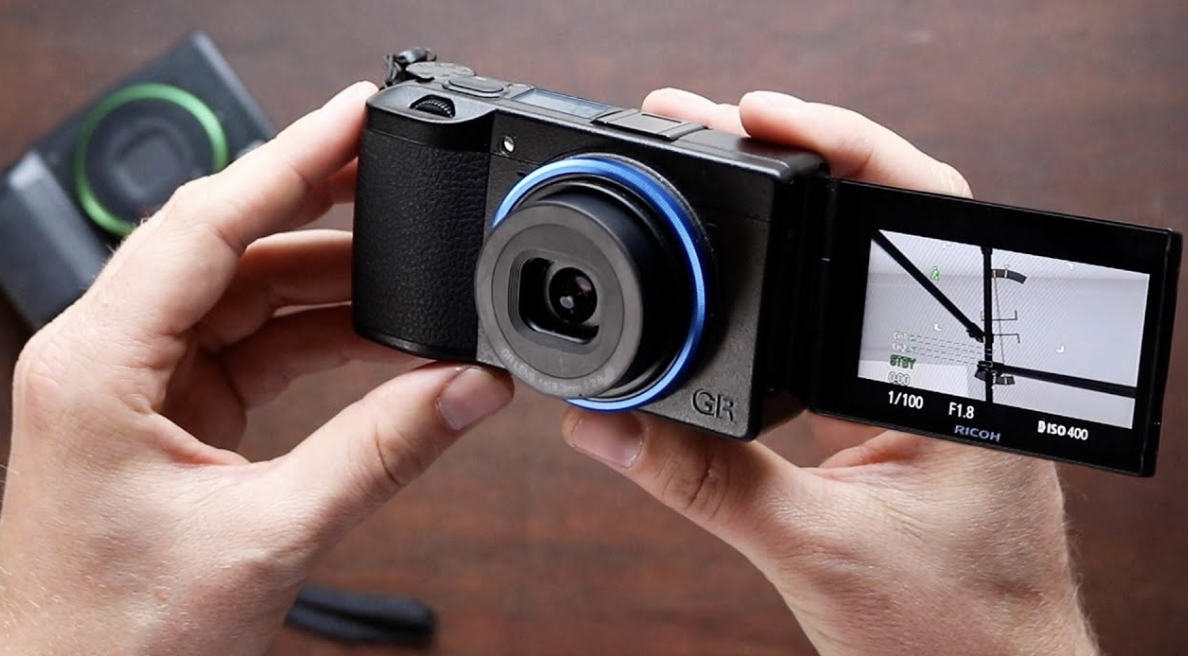
Most of the realistic expectations centered on refinement rather than reinvention. Better autofocus, stronger battery life, cleaner low-light behavior, faster processing, and a screen system that remained discreet without feeling dated were all more meaningful than a decorative redesign.
The appeal of the GR system has always lived in the gap between minimalism and readiness. The best possible GR IV would not be the one that tried to become a mini flagship. It would be the one that preserved the speed, smallness, and directness of the GR III while solving just enough of its friction points to make daily carry feel easier.
A Test for the Premium Compact Market
Seen from a broader market angle, the GR IV story was really a story about whether premium compacts can still justify themselves in 2025. They cannot win on convenience against phones, so they have to win on experience, image character, and the feeling that carrying them changes the way you look.
That is why this article framed the GR IV as a meaningful cultural product as much as a future camera launch. If Ricoh gets it right, the GR IV would not simply update an existing model. It would reaffirm that there is still a public for cameras built around concentrated seeing instead of endless feature accumulation.