The LUMIX L10 matters because it treats the fixed-lens compact as a serious camera category, not a nostalgia accessory.
Panasonic's LUMIX L10 announcement enters a market that suddenly cares about small cameras again, but it takes a different route from the phone-shaped creator compact or the fixed-28mm street camera.
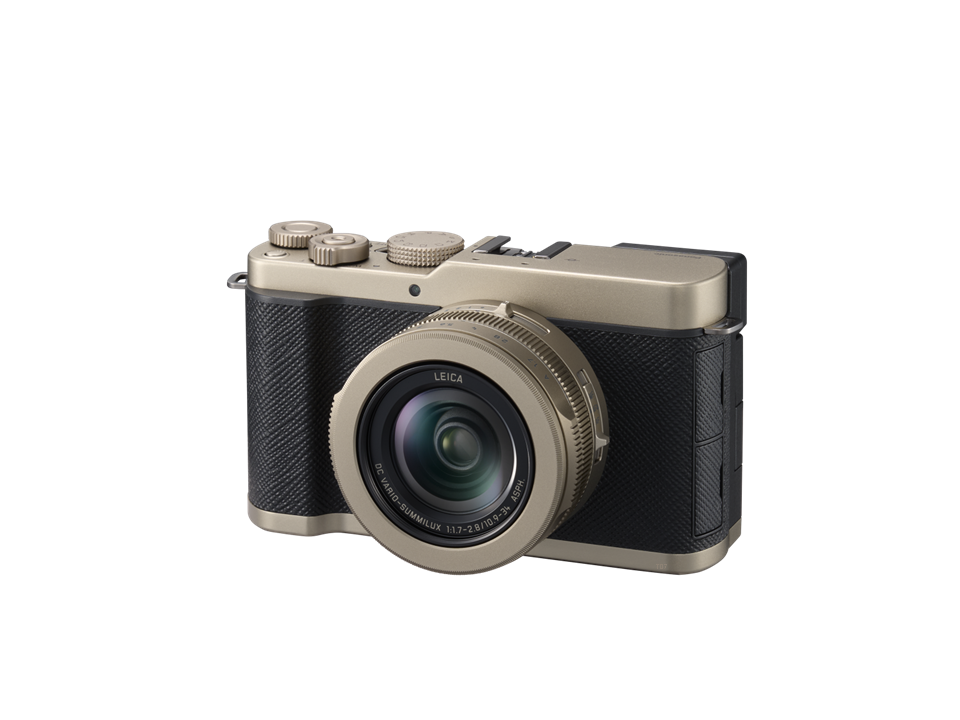
The confirmed idea is a premium fixed-lens compact with a fast zoom, Micro Four Thirds-sized sensor language, color tools and hybrid video features. That combination makes sense only if the handling stays quick enough to justify not carrying an interchangeable-lens body.
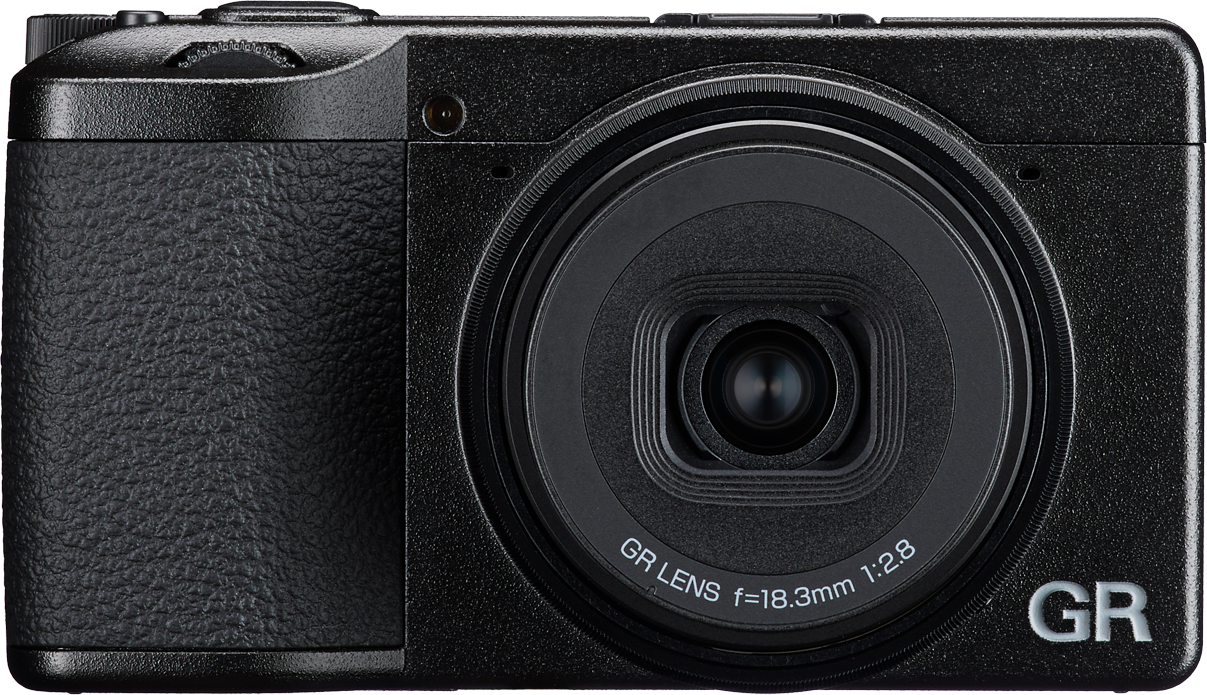
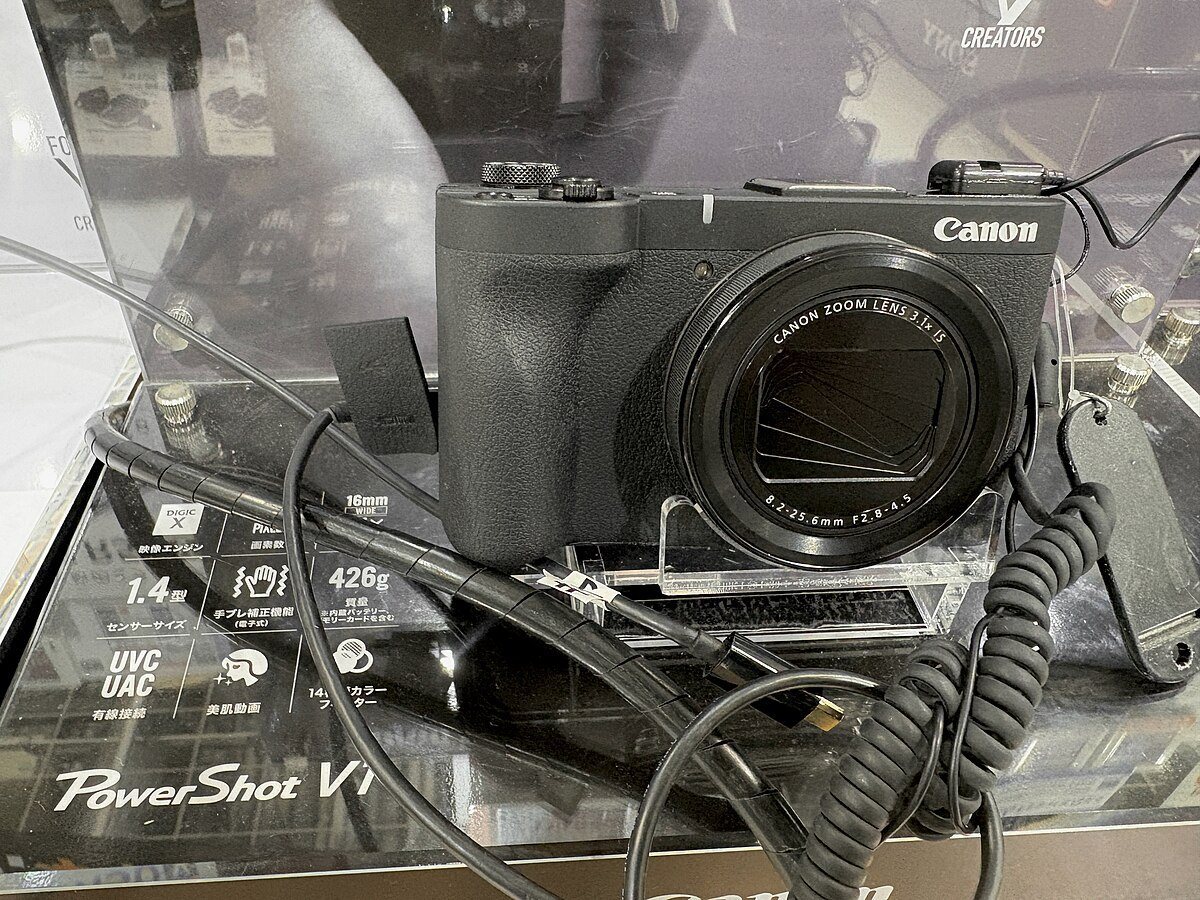
The strongest version of the L10 argument is not that everyone needs one. It is that compact cameras are fragmenting into useful subtypes: pocket stills, creator video, vintage flash toys and serious travel/documentary compacts.
The lens is the heart of the camera
A 24-75mm equivalent f/1.7-2.8 zoom gives the L10 a different personality from the current fixed-lens cult cameras. It can cover environmental street scenes, casual portraits, travel details, food, interiors and family documentary work without asking the photographer to change lenses or crop every frame into shape.
That flexibility is the advantage over a Ricoh-style fixed 28mm camera. It is also the compromise. A zoom compact rarely feels as immediate or pure as a fixed-lens street camera, and the L10 will have to prove that its handling stays quick enough to justify the extra range.
The close-focus capability matters too. A compact travel camera becomes more useful when it can move from a street scene to a small object, a plate, a sign, a flower or a product detail without accessories.
Panasonic color finally fits the compact brief
Real Time LUT is one of Panasonic's smartest current ideas because it makes color decisions visible at capture. For a compact camera, that matters. The whole point of carrying a small dedicated camera is often to come home with files that already feel intentional rather than phone-neutral.
The new L.Classic and L.ClassicGold Photo Styles are not a substitute for strong light or good editing, but they recognize how people now use small cameras: visual diaries, travel sequences, quick publishing, and personal color recipes that define a body of work.
The risk is over-processing. Film-inspired looks can become a shortcut for taste. The L10 will be strongest if its color tools encourage consistency without making every picture feel pre-styled.
Where it fits in 2026
The L10 sits between several categories: premium compact, travel camera, video-capable everyday camera and style object. That is a difficult place to price and market, but it may also be exactly where the compact market is moving.
A photographer should consider it if a mirrorless kit feels too large, a phone feels too disposable and a fixed 28mm compact feels too restrictive. Skip it if pocketability is absolute or if interchangeable lenses are central to the work.
The strongest sign is that Panasonic did not bring back a weak point-and-shoot. It brought back a compact with real controls, a serious lens, a viewfinder and a workflow argument. That is the right direction.
The fixed-lens question
The LUMIX L10 makes sense only if the fixed lens is a liberation rather than a limitation. A fast 24-75mm equivalent zoom can cover a travel day, a family sequence, a cafe table, a street corner and a portrait without turning every picture into a lens decision.
The camera has to prove that its handling keeps up with that promise. If the body becomes slow, menu-heavy or too precious to carry, the whole compact argument weakens no matter how attractive the lens and color tools look on paper.
Sources cited in this article
For "Panasonic LUMIX L10: Why the Fixed-Lens Compact Is Back," these sources separate confirmed product information from editorial interpretation, market context, and buying-risk analysis.
- Panasonic North America: LUMIX L10 announcement na.panasonic.com
- B&H: Panasonic LUMIX L10 product launch details prnewswire.com
Hybrid full-frame cameras
Canon, Sony, Nikon and Panasonic bodies where stills, video, autofocus, codecs, system cost and practical work collide.
- Camera Grand Prix 2026: What the Winners Say About Cameras Now Camera News
- Canon EOS R6 Mark III Analysis 2026: The Hybrid Body Canon Needed Reviews
- Nikon Z6III in 2026: The Hybrid Camera That Still Makes Sense Camera News
- Sony Alpha 7R VI: What Stacked Resolution Actually Changes Camera News
- Canon EOS R6 V: The Full-Frame V-Series Camera Canon Needed Camera News