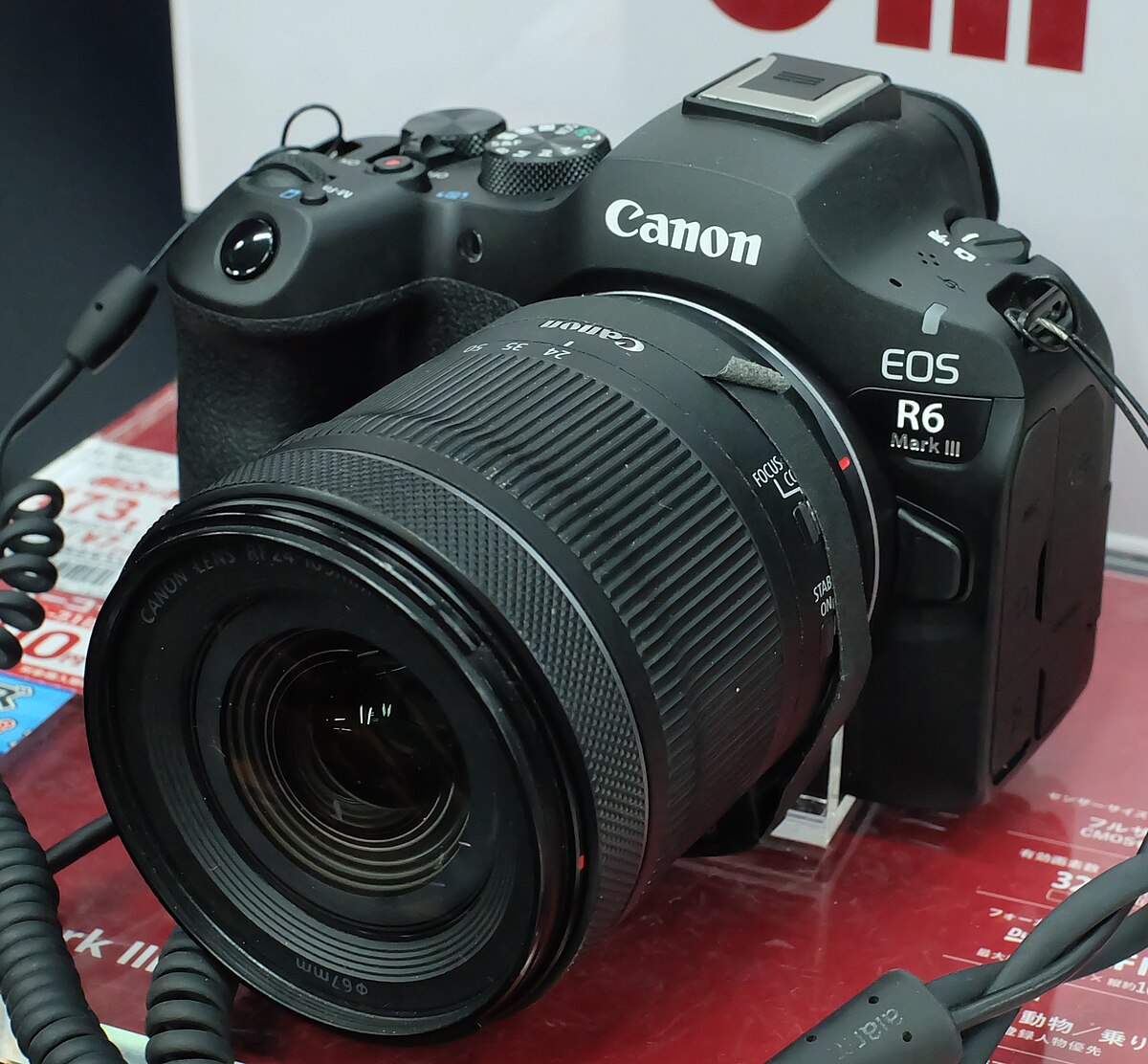
Canon's EOS R6 V is not just another R6-family body with a video label. It is Canon's clearest attempt to turn the V-series idea into a serious full-frame production tool without forcing creators into a Cinema EOS body.
Canon announced the EOS R6 V on May 13, 2026, alongside the RF20-50mm F4 L IS USM PZ lens and a small ecosystem of creator accessories. The important part is the combination: a 32.5MP full-frame sensor, 7K 60p RAW, 7K 30p open gate, oversampled 4K up to 60p, uncropped 4K 120p, advanced video AF, in-body stabilization, a tally lamp, vertical shooting support and internal cooling.
That makes the R6 V more interesting than a spec-sheet remix. It takes the imaging core photographers recognize from the R6 line and puts it in a body designed around daily video work: handheld pieces, gimbal work, podcasts, vertical deliverables, social formats, and smaller commercial jobs where a full cinema rig would slow the shoot down.
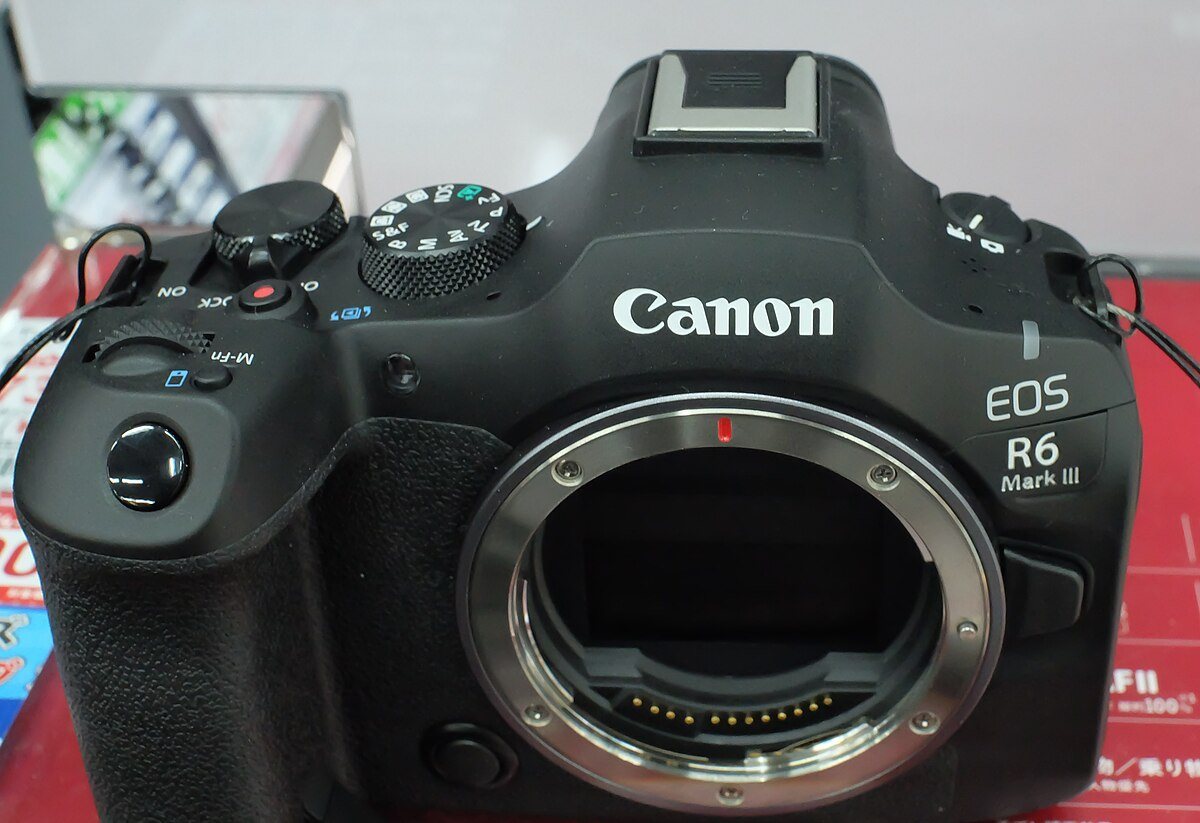
The limitation is just as important. This is not the clean answer for a stills-first photographer who wants a traditional viewfinder experience and a mechanical-shutter event camera. The R6 V matters because it narrows the brief: less all-purpose compromise, more creator and filmmaker intent.
What Canon actually changed
The R6 V is built around the video problem rather than treating video as a menu tab on a stills camera. Canon's own announcement emphasizes the compact flat body, reduced profile, vertical tripod mount, integrated zoom lever, tally lamp and internal cooling fan. Those are production details, not casual feature padding.
In the field, that matters most when the camera is no longer sitting in the hands like a normal photo body. On a gimbal, mounted vertically, set on a desk for a podcast or used in a small two-person commercial shoot, a tally lamp, cooling, zoom control and framing flexibility affect the way the shoot runs.
Open gate is the headline feature that feels especially practical. A 3:2 full-sensor recording can be reframed later for horizontal, vertical and square output. For a wedding filmmaker, educator or creator delivering to several platforms, that can reduce the pressure to choose the final crop at capture time.
The lens may be the more revealing product
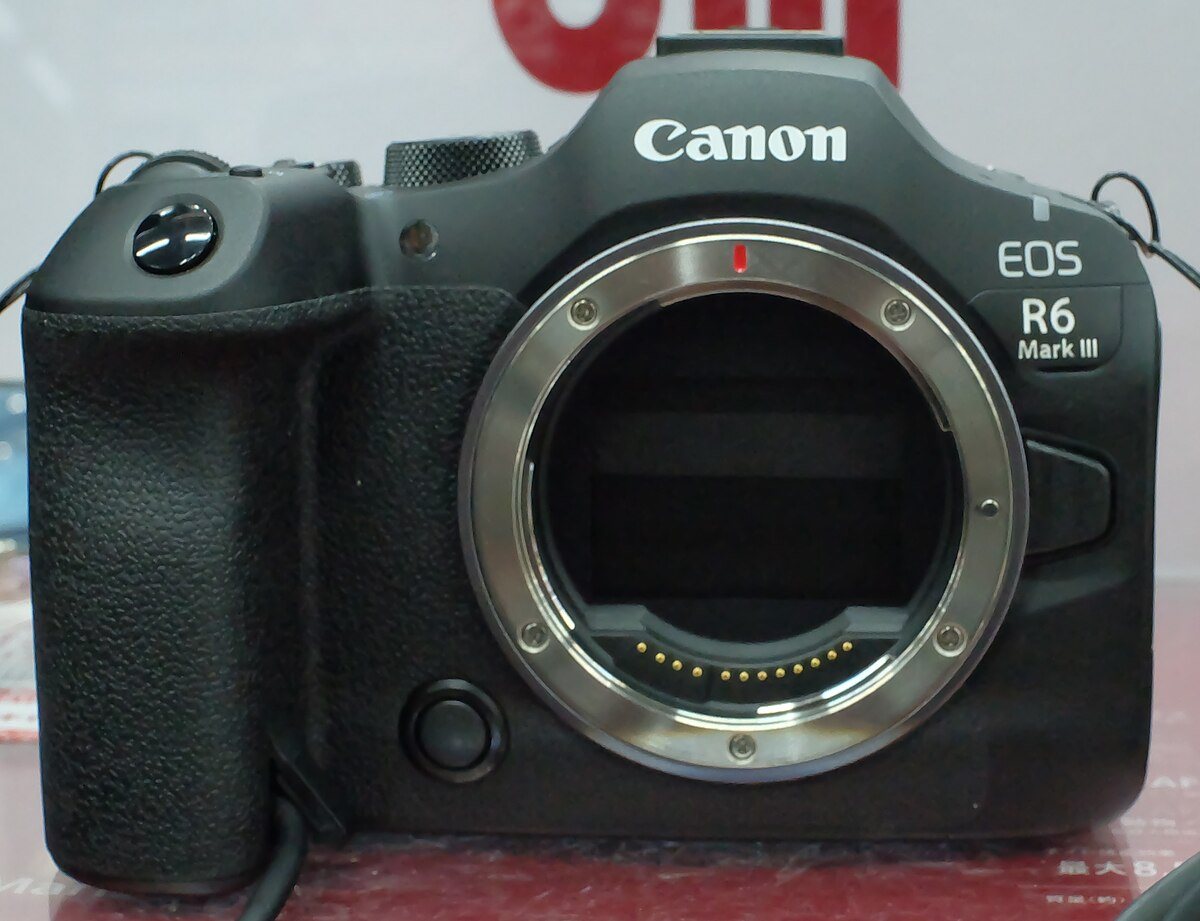
The RF20-50mm F4 L IS USM PZ lens shows how Canon is thinking about creator video. A constant f/4 aperture, internal zoom design and built-in power zoom are not glamour features for still photographers. They are workflow features for gimbals, remote operation and repeatable video movement.
The 20mm wide end is also a practical choice. It gives handheld creators more room than a 24mm start, especially in small interiors, car shots, desk setups and walk-and-talk footage. The 50mm long end keeps it from becoming only a wide vlogging lens.
The tradeoff is obvious: f/4 is not a shallow-depth-of-field dream on full frame. But for video shooters who need stable exposure, balance and repeatable movement, that compromise may make more sense than a faster lens that fights the rig.
Who should pay attention
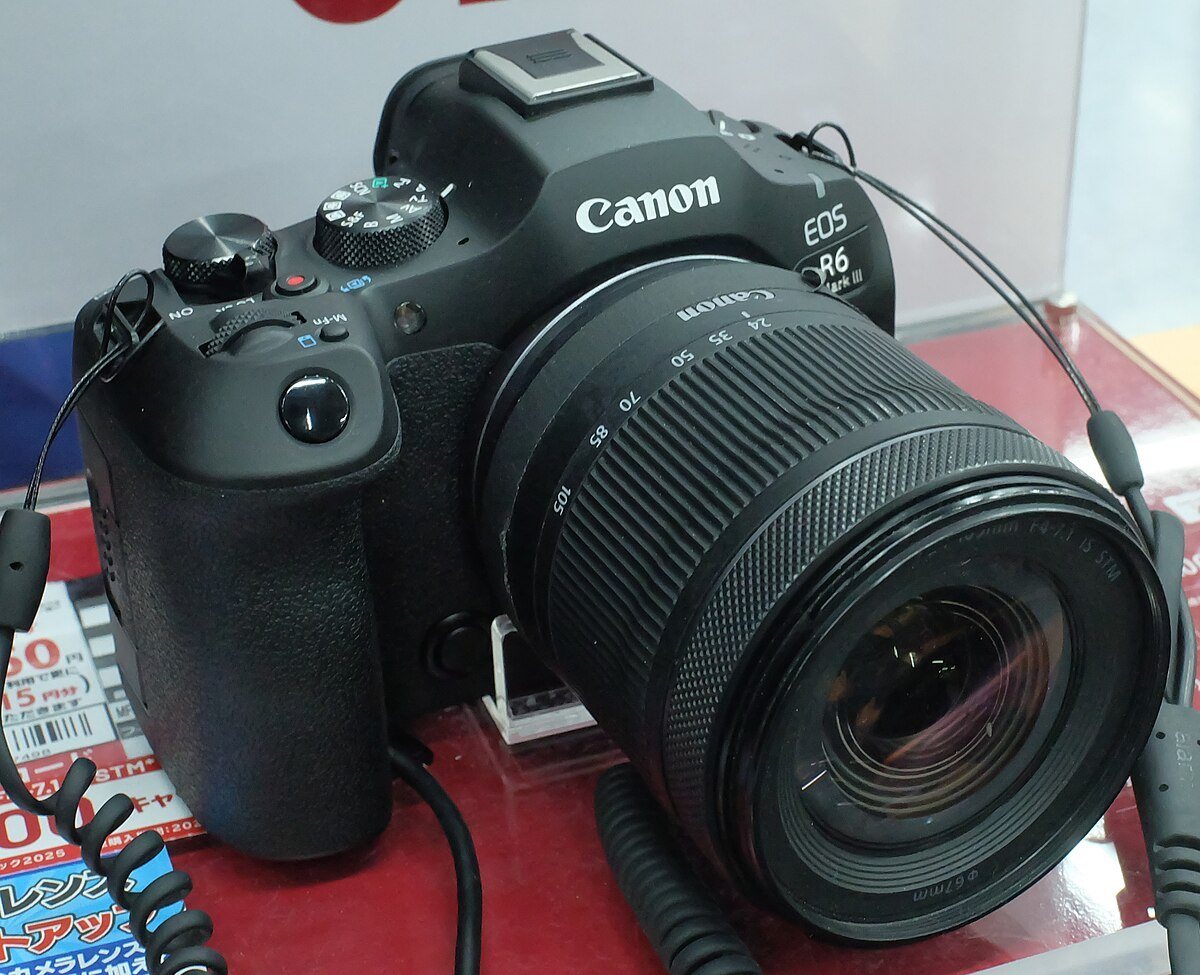
A stills-heavy Canon shooter should not treat the R6 V as an automatic upgrade. The EOS R6 Mark III remains the more natural choice if events, portraits, stills AF, burst shooting and traditional handling sit at the center of the job.
The R6 V is for the photographer whose work has tilted into video far enough that body shape, heat, open gate, vertical delivery, power zoom and monitoring behavior matter more than the classic hybrid checklist. That is a smaller audience, but it is a real one.
The best reading is that Canon is separating creator video from mirrorless photography more deliberately. That separation is healthy if it gives users cleaner tools instead of forcing every camera to satisfy every workflow badly.
Why the V-series distinction matters
The R6 V is not interesting because Canon found another suffix. It is interesting because Canon is separating video ergonomics from the traditional stills-first mirrorless compromise: monitoring, heat, open gate, vertical delivery and power zoom support become central rather than secondary.
That also narrows the recommendation. A wedding photographer who mostly needs stills confidence may be better served by a classic R6-series body, while a solo filmmaker may care more about cooling, audio, framing options and a body that behaves like a small production camera.
Sources cited in this article
For "Canon EOS R6 V: The Full-Frame V-Series Camera Canon Needed," these sources separate confirmed product information from editorial interpretation, market context, and buying-risk analysis.
- Canon USA: EOS R6 V announcement usa.canon.com
Hybrid full-frame cameras
Canon, Sony, Nikon and Panasonic bodies where stills, video, autofocus, codecs, system cost and practical work collide.
- Camera Grand Prix 2026: What the Winners Say About Cameras Now Camera News
- Canon EOS R6 Mark III Analysis 2026: The Hybrid Body Canon Needed Reviews
- Nikon Z6III in 2026: The Hybrid Camera That Still Makes Sense Camera News
- Sony Alpha 7R VI: What Stacked Resolution Actually Changes Camera News
- Nikon ZR Analysis 2026: RED RAW Enters the Nikon Z System Reviews