The compact-camera comeback is no longer one camera. The right choice depends on whether you need pocket zoom, modern video, long reach, fixed-lens image quality, or simply a camera that is not your phone.
A useful compact-camera guide in 2026 has to start with a refusal: there is no single best compact for everyone. The Canon G7 X Mark III, Canon PowerShot V1, Sony RX100 VII and Ricoh GR line are all small cameras, but they solve different problems.
The mistake is shopping by trend. The better approach is to decide which limitation you actually want to live with. The G7 X Mark III gives you a bright pocket zoom and Canon rendering. The PowerShot V1 is the more modern Canon creator compact. The RX100 VII reaches farther and focuses harder. The Ricoh GR is the serious stills camera for people who accept a fixed lens.
That makes this category more interesting than it looked two years ago. Phones did not kill compact cameras. They forced compact cameras to become more specific.
The short answer
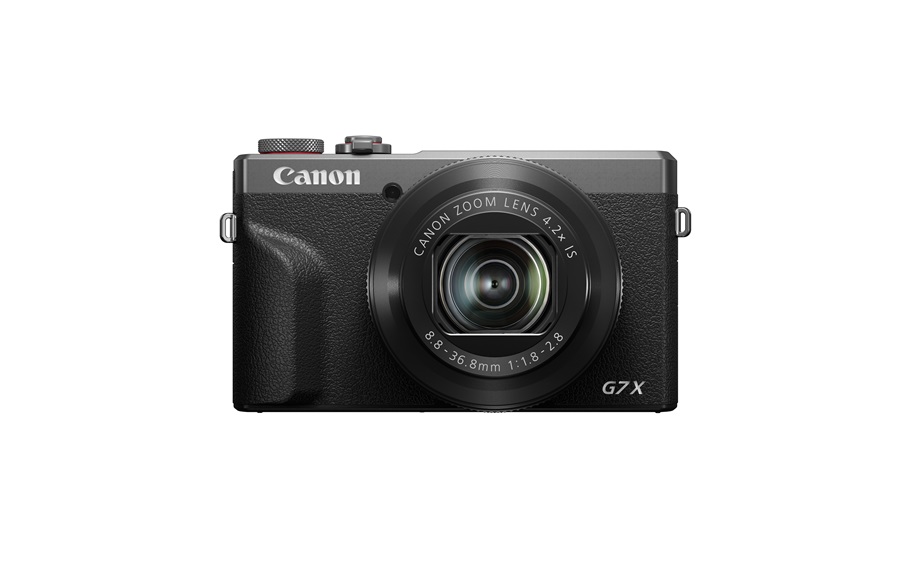
Buy the Canon G7 X Mark III if you want a small, friendly pocket zoom with Canon color and you can find it at a sensible price.
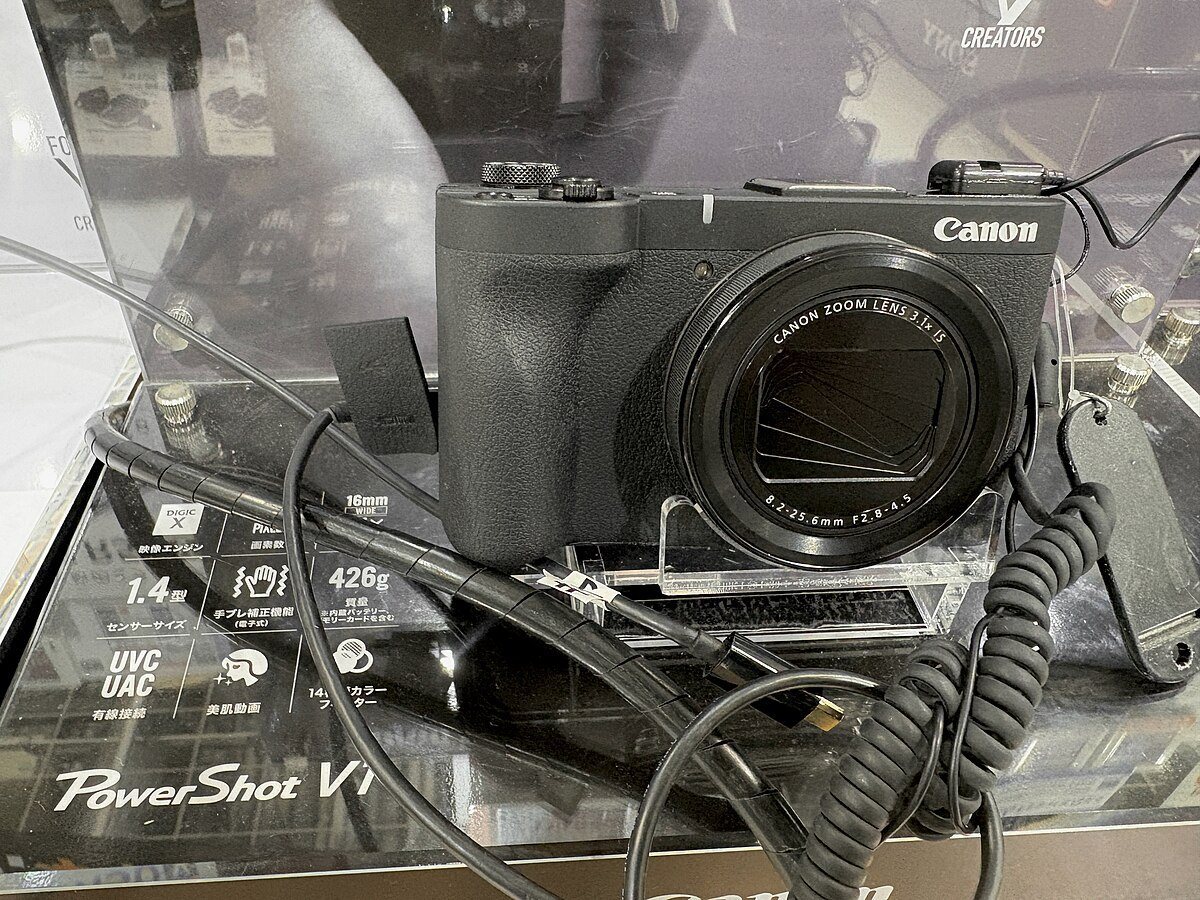
Buy the Canon PowerShot V1 if you want a newer Canon compact that makes more sense for creator video, hybrid work and a current product cycle.
Buy the Sony RX100 VII if you need the most complete pocket zoom tool: longer reach, stronger autofocus and an EVF in a genuinely small body.
Buy the Ricoh GR III or GR IIIx if you are primarily a still photographer and you want a larger-sensor, fixed-lens camera that encourages a specific way of seeing.
Canon G7 X Mark III: best when the price stays sane
The G7 X Mark III is still attractive because it is small, direct and built around a useful 24-100mm equivalent f/1.8-2.8 zoom. That lens range is why the camera keeps coming back into conversation. It gives everyday photographers a real optical frame before the file exists.
Its weakness in 2026 is not that it suddenly became bad. The weakness is the market around it. Scarcity and social-media demand can push the camera into price territory where newer alternatives become more rational. The G7 X Mark III is a good buy only when it is priced like a tool, not like a trophy.
Choose it for travel, family, casual video, restaurant details, everyday carry and a camera-first rhythm. Skip it for serious action, EVF shooting, long telephoto reach or modern high-end video features.
Canon PowerShot V1: the cleaner Canon answer for creators
The PowerShot V1 matters because it is not trying to be the old G7 X with a new badge. Canon positions it as a compact for creators, with a larger 1.4-type sensor, a 16-50mm equivalent zoom range, 4K video emphasis and a body designed around hybrid use.
That makes it the better Canon choice if video is central. The tradeoff is that it does not give the same 24-100mm pocket-zoom range that made the G7 X Mark III so flexible for casual stills. The V1 is more modern, but it is not automatically more useful for every photographer.
Choose the V1 if your compact camera has to live around video, vlogging, quick production and a current Canon workflow. Choose the G7 X Mark III if the entire point is a small stills-first zoom camera.
Sony RX100 VII: the strongest pocket zoom, still
The RX100 VII remains the obvious premium compact alternative because Sony solved a different problem: how much reach and autofocus can fit into a pocket camera. Its 24-200mm equivalent zoom range makes it more flexible than the Canon G7 X Mark III for travel, street details, events and distant subjects.
The tradeoff is lens brightness at the long end and a denser Sony-style interface. For some photographers, the RX100 VII feels less charming than the Canon. For others, it is the more serious tool because it is less limited.
Choose the RX100 VII if autofocus, reach and EVF shooting are the priorities. Choose the Canon only if the brighter short zoom, simpler controls and Canon rendering matter more than versatility.
Ricoh GR III and GR IIIx: the compact camera for still photographers
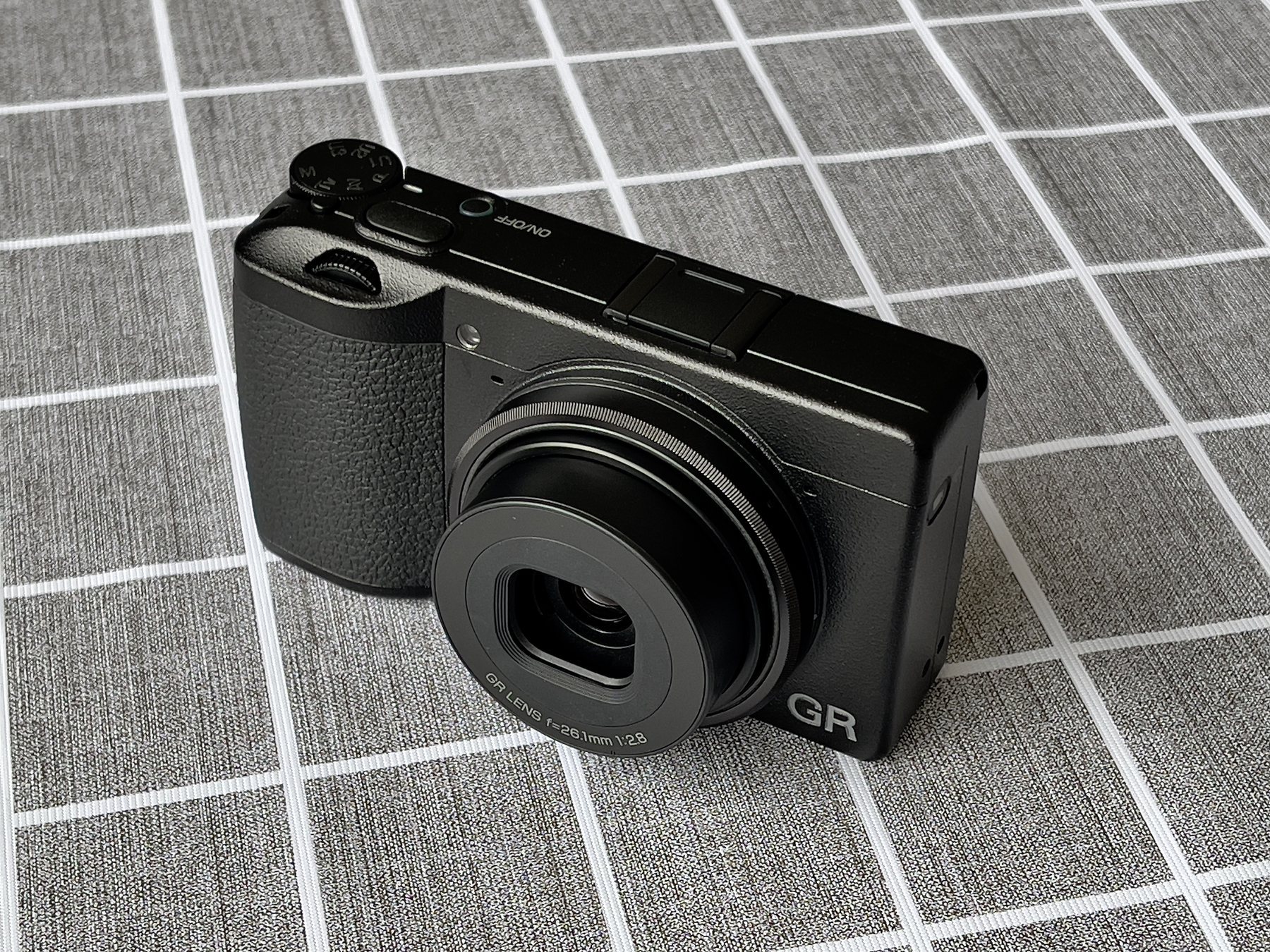
The Ricoh GR line does not belong in this comparison because it has a zoom. It belongs because many buyers searching for a better compact camera are really searching for a more serious photographic object. The GR III and GR IIIx give up zoom entirely and answer with an APS-C sensor, a fixed prime lens and a very direct shooting experience.
That makes Ricoh the wrong choice for anyone who wants one camera to cover every focal length. It is the right choice for photographers who want consistency, pocketability and a camera that rewards repetition. The GR is not a casual family zoom. It is a small stills camera with a point of view.
Choose Ricoh if you value image quality, responsiveness and fixed-lens discipline. Choose Canon or Sony if optical flexibility matters more.
What not to buy blindly
Do not buy a compact camera in 2026 because a feed made it look desirable. Buy it because its compromises match your pictures.
Avoid paying inflated prices for the G7 X Mark III if you would be equally happy with a newer creator compact or a small mirrorless kit. Avoid the RX100 VII if you hate dense menus and will never use the long end of the zoom. Avoid the Ricoh GR if the idea of one fixed focal length sounds like a punishment rather than a creative discipline.
The best compact is the one that makes you carry it. That sounds obvious, but it is the whole category.
Our recommendation today
For most casual photographers who want the old compact-camera feeling, the Canon G7 X Mark III is still the emotional choice, but only at a rational price.
For creators who care about video and a current Canon body, the PowerShot V1 is the cleaner recommendation. For travel buyers who need reach, the Sony RX100 VII remains the most complete pocket zoom. For still photographers who want a sharper, more deliberate everyday camera, the Ricoh GR III or GR IIIx is the most serious choice.
That is the shape of the 2026 compact-camera market: not one winner, but four different answers to the question phones left behind.
Related buying guide
For a deeper look at the Canon G7 X Mark III specifically, including the 2026 price-ceiling argument and anniversary-edition context, read the updated Photography Today buying guide.
Sources cited in this article
For "Best Compact Cameras in 2026: G7 X Mark III, PowerShot V1, RX100 VII or Ricoh GR?," these sources separate confirmed product information from editorial interpretation, market context, and buying-risk analysis.
- Canon U.S.A. PowerShot G7 X Mark III support page usa.canon.com
- Canon U.S.A. PowerShot V1 product page usa.canon.com
- Sony RX100 VII product page electronics.sony.com
- Ricoh GR IIIx official specifications ricoh-imaging.co.jp
Compact-camera revival
Pocket cameras, creator compacts, Ricoh GR discipline, RX100 demand, and the reason small dedicated cameras still matter.
- Compact Cameras in 2026: Why Small Cameras Came Back Camera News
- Camera Grand Prix 2026: What the Winners Say About Cameras Now Camera News
- Canon PowerShot G7 X Mark III in 2026: Still Useful, No Longer Obvious Camera News
- Canon PowerShot V1 Analysis 2026: A Compact Camera Built for Creators Reviews
- Ricoh GR IV Analysis 2026: The Snapshot Camera Gets Sharper Reviews