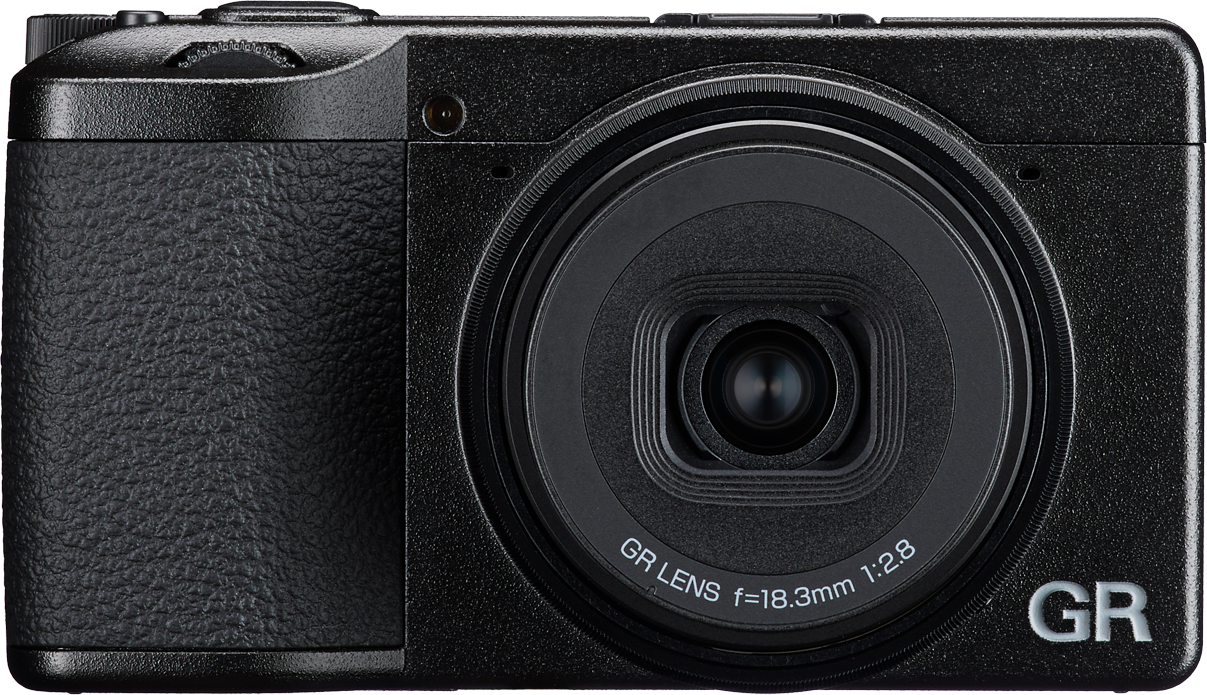
The Ricoh GR IV is a small camera with a narrow mission: be ready, be sharp, be pocketable and stay out of the photographer's way.
The GR IV is not a camera that makes sense to everyone. That is its strength. It has a fixed 18.3mm f/2.8 lens with a 28mm-equivalent field of view, a new APS-C sensor, a new processor, faster startup, 5-axis stabilization, 53GB internal memory and the familiar GR shooting language that has made the line a reference point for street and everyday photography.
In 2026, the GR IV sits in a strange market. Smartphones are computationally brilliant, full-frame mirrorless bodies are more capable than ever, and premium compacts are expensive and scarce. The GR survives because it is not trying to replace all of those tools. It is trying to make one kind of picture easier: the fast, direct, observational photograph.
This analysis treats the GR IV as a real camera for daily work, not as an accessory for camera culture. The question is simple: does it still justify carrying a dedicated compact when your phone is already in your pocket?
For many photographers, yes. Not because the GR IV is more convenient than a phone, but because it creates a different mental state. It has a shutter button, a real lens, RAW files, snap focus logic, physical handling and no social feed attached.
The GR idea
Every GR review has to start with philosophy because the camera's value is inseparable from its limits. A fixed 28mm-equivalent lens is not flexible in the usual consumer sense. It asks the photographer to move, anticipate, accept context and build a relationship with distance.
That is why the GR line attracts street photographers, diarists, travel photographers and people who want a camera that is fast enough to disappear. It is small, plain and direct. The GR IV improves the engine, but it does not abandon the discipline.
The biggest mistake is to compare it only by specification. A mirrorless camera with a small prime can produce better technical files. A phone can be more convenient. A Sony RX100-style compact can zoom. The GR's argument is not versatility. It is readiness and photographic concentration.
Specifications that matter
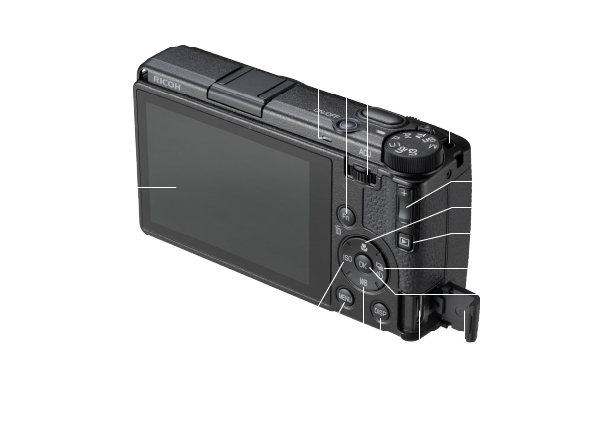
Ricoh's key updates go where GR users actually feel them: sensor, lens, processor, stabilization, startup speed, autofocus behavior, internal memory and image controls. The camera uses a 25.74MP APS-C sensor and an 18.3mm f/2.8 lens, keeping the classic 28mm-equivalent perspective.
The 0.6-second startup is more important than it looks. A GR is often used reactively: the subject appears, the light changes, a gesture happens, a street scene aligns. Slow startup would break the camera's purpose. Fast startup supports the whole identity of the tool.
The 53GB internal memory is also more useful than a novelty. It gives the photographer a safety net when a card is missing, full or corrupted. That is exactly the kind of practical choice that fits a daily-carry compact.
Image quality
The GR IV's image quality should be understood through its lens-sensor pairing. A fixed-lens compact can be optimized in ways an interchangeable system cannot. Ricoh knows the exact lens, sensor and processing chain, and that gives the files a coherent look.
APS-C still matters here. The files have more flexibility than phone images, especially in RAW, and the 28mm-equivalent lens gives a natural documentary perspective without the overprocessed look that can affect phone wide-angle images.
The new Cinema Image Control modes are culturally interesting because they acknowledge how many photographers now want in-camera color decisions that feel finished. That is not laziness. It is part of contemporary workflow. A camera that gives a photographer a usable look at capture can reduce editing fatigue and make a body more personal.
Autofocus, snap focus and speed
GR autofocus has never been the line's only story. The deeper story is speed of intention. Snap Focus remains central because it allows a photographer to work by distance and anticipation rather than waiting for a focus system to confirm a subject.
That said, improved autofocus matters for everyday users. Not every GR owner shoots classic street photography. Many use the camera for travel, food, family, visual notes and documentary fragments. Better AF makes the camera more forgiving without changing its character.
The GR IV is at its best when the photographer learns both modes: autofocus when precision and subject recognition help, snap focus when timing matters more than confirmation.
Ergonomics
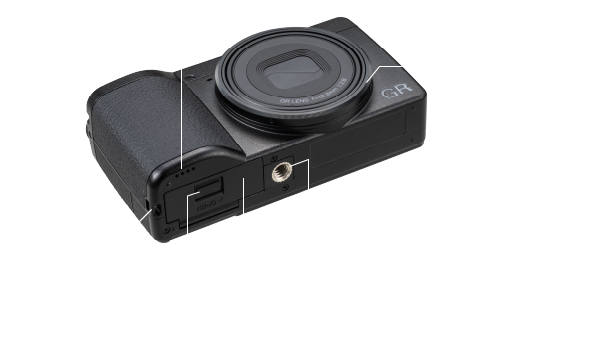
The grip, front dial, rear controls and one-handed operation are why GR users become loyal. A small camera that requires two hands for every setting is not really fast. The GR IV keeps the important controls close enough for reactive shooting.
The lack of a built-in viewfinder is not a flaw for everyone, but it is a real dealbreaker for some photographers. A screen-based compact changes posture and shooting rhythm. It can make the camera more discreet, but it can also be harder in bright light and less satisfying for photographers who compose through an eye-level finder.
Battery life should be treated realistically. Small cameras have small batteries. Anyone traveling with a GR IV should carry a spare or a power bank. The camera is pocketable, not magical.
What it is not
The GR IV is not a video camera. It is not a zoom camera. It is not a portrait camera in the classic compressed-background sense. It is not a low-cost compact. It is not the right choice for someone who wants one camera to shoot everything.
This clarity is useful. The camera's narrowness protects it from becoming mediocre. A GR with a long zoom, a viewfinder bump, an oversized grip and a video-first interface would be more marketable, but it would also stop being a GR.
Competition
The most obvious alternatives are the Fujifilm X100VI, older Ricoh GR III and GR IIIx bodies, premium one-inch zoom compacts and a phone with a good camera app. Each alternative solves a different problem.
The X100VI offers a viewfinder, Fuji color culture and a more romantic shooting experience, but it is larger and more conspicuous. Older GR models remain excellent if the price is right. A Sony RX100-style compact offers zoom flexibility but loses the GR's APS-C simplicity. A phone is always with you, but it is also a phone.
That last point is not sentimental. A dedicated camera changes behavior. For many GR users, that is the feature.
Verdict
The Ricoh GR IV is one of the clearest cameras of 2026. It knows what it is, improves the parts that matter, and refuses to chase every trend. That makes it unusually easy to recommend to the right person and easy to reject for the wrong one.
Buy it if you want an APS-C pocket camera for street, travel, daily observation and fast stills. Skip it if you need a viewfinder, interchangeable lenses, serious video, weather confidence, long battery life or a lower price.
The GR IV is not the camera you buy to cover every job. It is the camera you buy because you want to see faster.
Sources cited in this article
For "Ricoh GR IV Analysis 2026: The Snapshot Camera Gets Sharper," these sources document the specifications, product material, and market context used for the source-based review judgment. The page should not be read as a lab-test claim unless it explicitly says hands-on testing was performed.
- Ricoh Imaging: RICOH GR IV launch announcement us.ricoh-imaging.com
- Ricoh Imaging: RICOH GR IV product page us.ricoh-imaging.com
Compact-camera revival
Pocket cameras, creator compacts, Ricoh GR discipline, RX100 demand, and the reason small dedicated cameras still matter.
- Compact Cameras in 2026: Why Small Cameras Came Back Camera News
- Best Compact Cameras in 2026: G7 X Mark III, PowerShot V1, RX100 VII or Ricoh GR? Camera News
- Camera Grand Prix 2026: What the Winners Say About Cameras Now Camera News
- Canon PowerShot G7 X Mark III in 2026: Still Useful, No Longer Obvious Camera News
- Canon PowerShot V1 Analysis 2026: A Compact Camera Built for Creators Reviews