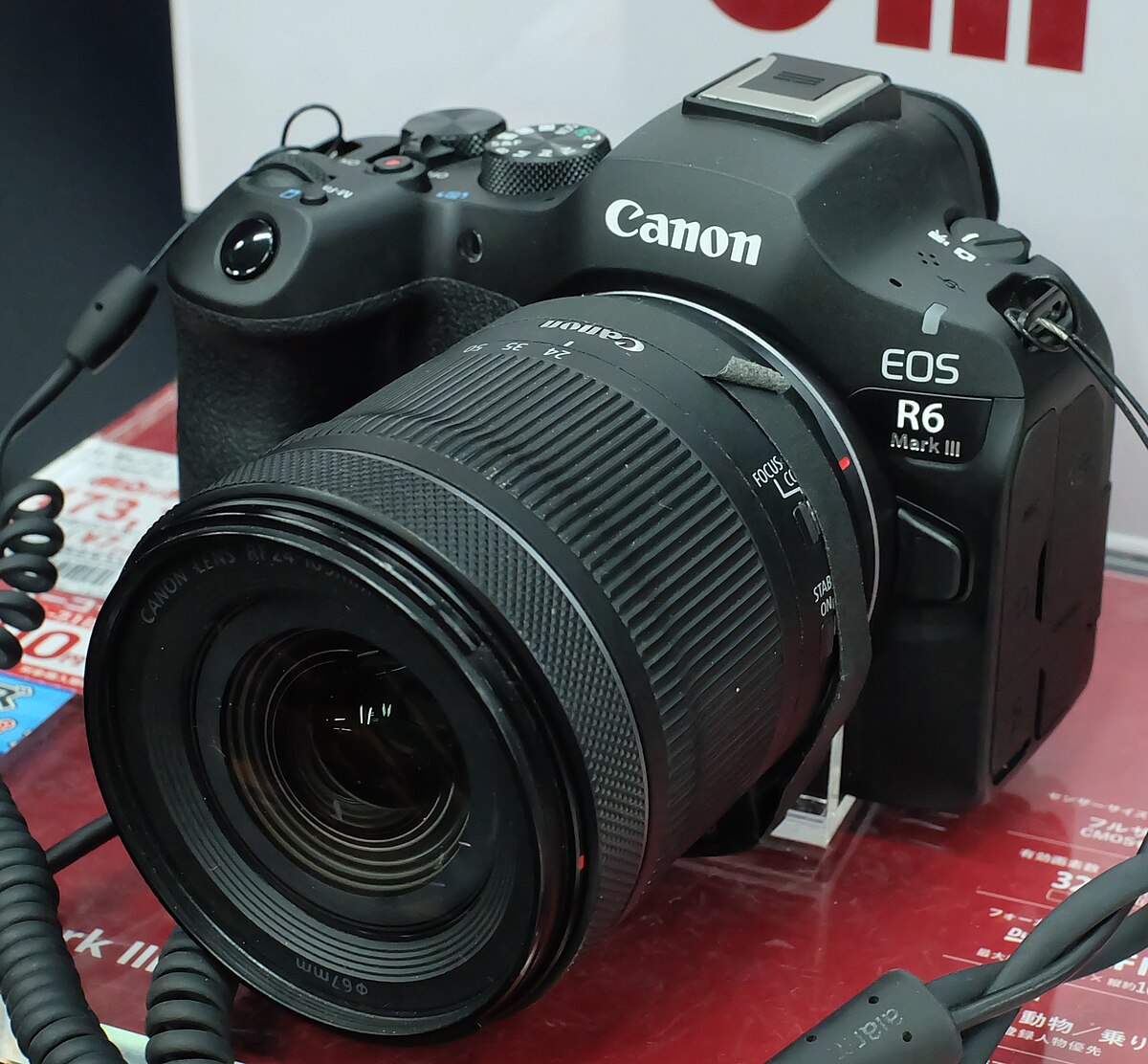

The Canon EOS R6 Mark III is the camera that turns the R6 line from a safe full-frame all-rounder into a serious hybrid production body. It is still not the high-resolution R5. That is the point.
Canon's R6 series has always been about balance: enough resolution for paid photography, enough speed for events and wildlife, enough autofocus intelligence to trust, and a body size that does not punish a long day. The Mark III keeps that identity but raises the ceiling. A 32.5MP full-frame sensor, up to 40fps electronic shooting, 7K RAW Light video, 4K 119.8p, open gate recording, pre-continuous capture and C2PA support make it feel much more modern than a routine refresh.
This is a 2026 source-based review analysis in the practical sense: what the camera means now for photographers deciding between the R6 Mark II, R5 Mark II, Sony A7 IV, Nikon Z6III, Panasonic S5IIX and a growing class of creator-focused hybrids. The R6 Mark III does not win every specification comparison, but it is one of the cleanest answers for Canon shooters who need one body to cover weddings, portraits, events, documentary, travel, commercial clips and fast stills.
The biggest shift is that Canon is no longer asking hybrid users to accept a stills-first R6 with video as a bonus. The Mark III has the internal recording modes, resolution, frame rates and monitoring logic to serve smaller video jobs without turning the body into a cinema camera.
Its weakness is cost and system lock-in. If you do not already own RF lenses, the value equation is harder. If you shoot only stills, the R6 Mark II is still strong used or discounted. If you need maximum detail, the R5 line remains the better fit. The R6 Mark III is best for people who live in the middle and need that middle to be genuinely professional.
Positioning
The R6 Mark III is not designed to be a pure resolution camera. Canon already has bodies for photographers who want more pixels. The R6 Mark III is designed to sit at the working intersection: fast enough for movement, detailed enough for commercial stills, compact enough for a full day, and capable enough for serious video delivery.
That is why the 32.5MP sensor matters. It gives more cropping room than the 24MP class without pushing files into the heavier workflow of the R5 series. For wedding photographers, that extra resolution is useful for album crops, ceremony distance, horizontal-to-vertical repurposing and client delivery. For wildlife and sports shooters, it gives more reach without requiring a higher-resolution body.
The camera also lands at a moment when hybrid work is no longer optional for many photographers. Clients ask for stills, vertical clips, reels, interviews, behind-the-scenes pieces and quick social assets. The R6 Mark III is built for that messy reality.
Specifications that matter
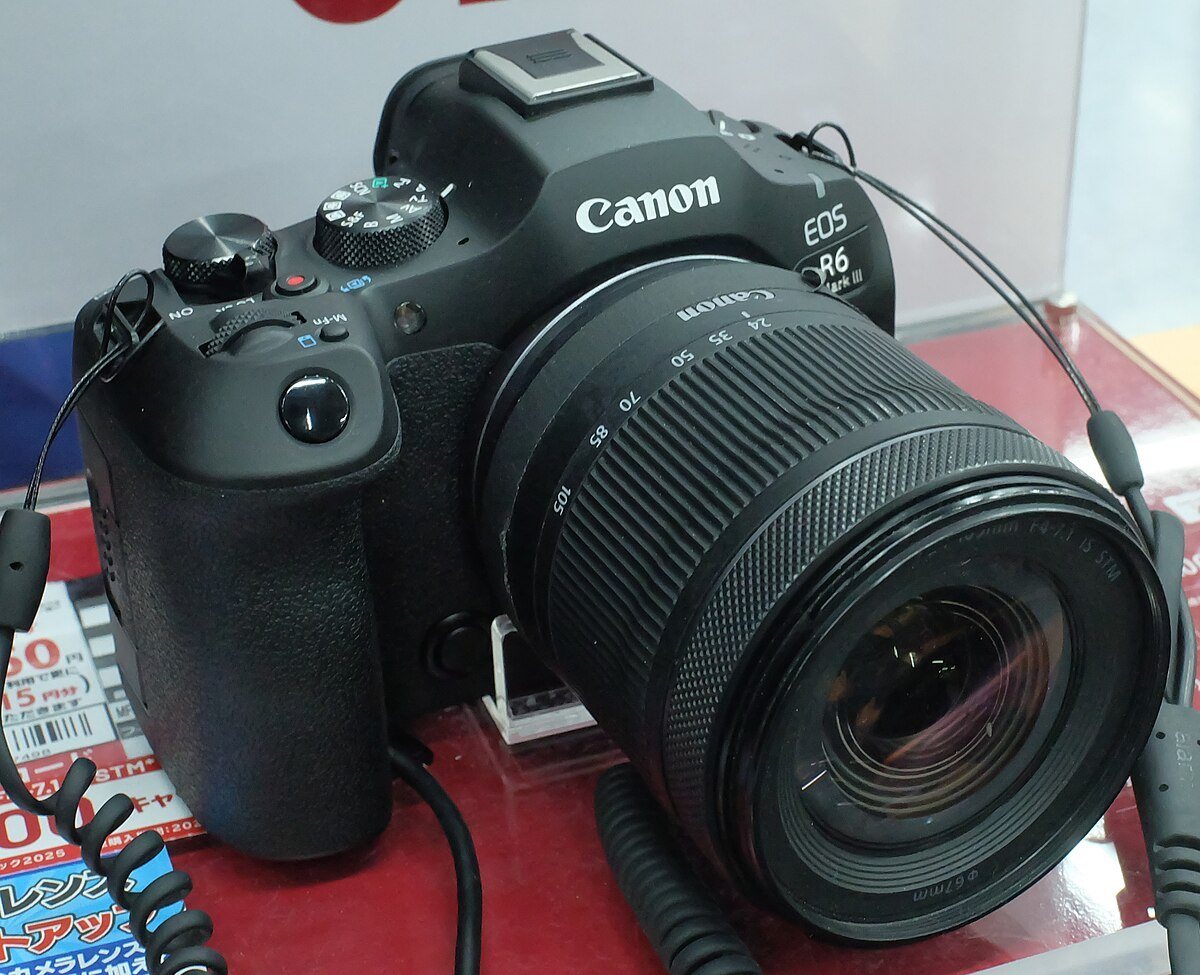
The headline specifications are strong because they directly affect field use: 32.5MP full-frame capture, up to 40fps electronic shutter, pre-continuous shooting, Dual Pixel CMOS AF II, 7K 60p RAW Light, oversampled 4K, 4K 119.8p, open gate video and support for Canon Log 2 and Canon Log 3. The camera also uses the newer multi-function shoe ecosystem and supports workflows that Canon is clearly pushing toward verification and content provenance.
The real value is not a single number. It is the combination. A camera with 7K RAW but weak autofocus is stressful. A camera with great AF but limited codec options becomes restrictive. A camera with fast stills but no usable video crop becomes a compromise. The R6 Mark III is interesting because the pieces now line up.
For most stills photographers, the sensor resolution is the biggest daily difference. For hybrid shooters, the big change is internal video flexibility. For agencies and future-facing editorial users, C2PA support is not glamorous, but it connects the camera to the growing pressure around image authenticity.
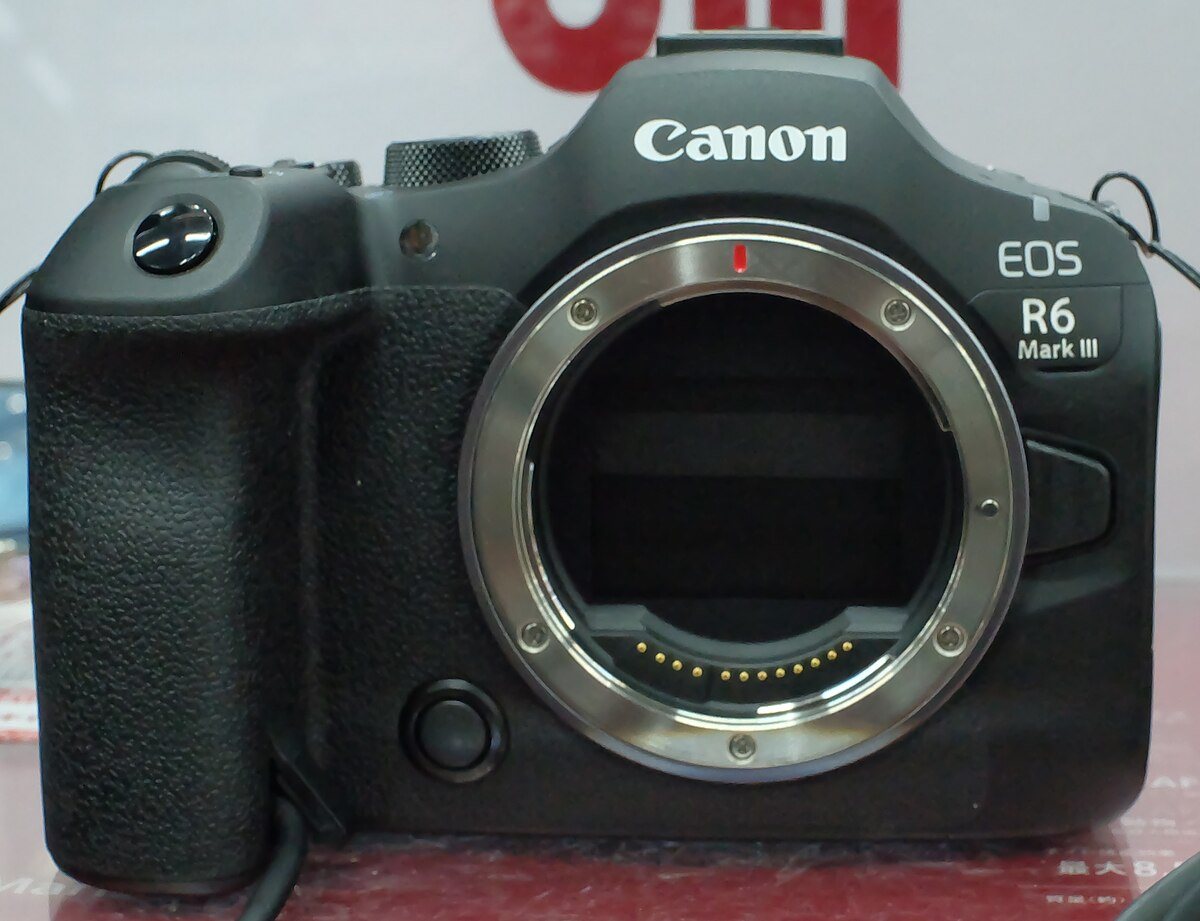
Image quality
Canon's full-frame color remains one of the R6 line's major advantages. Skin tones, event lighting and warm indoor scenes tend to be forgiving in Canon workflows, especially when the photographer is delivering JPEG previews quickly or grading RAW files under deadline pressure.
The 32.5MP count is a useful middle ground. It is high enough for detailed portraits, moderate cropping and commercial delivery, but not so heavy that every shoot becomes a storage problem. That matters for wedding photographers who may return with thousands of files from a weekend.
Dynamic range should be judged realistically. The R6 Mark III is not trying to be a medium-format shadow-recovery machine. It is a modern full-frame hybrid camera, and the practical expectation is clean files at normal ISO values, recoverable highlights when exposed carefully, and dependable color in difficult mixed light. For its target user, that is the correct priority.
Autofocus and speed
Dual Pixel CMOS AF II is one of the strongest reasons to stay in Canon. The system is not only about subject recognition; it is about confidence. In event photography, a body that holds faces and eyes predictably lets the photographer pay attention to timing, gesture and framing instead of constantly babysitting focus points.
The 40fps electronic shutter makes the camera viable for action, but it should not be treated as a reason to spray every scene. The smarter use is selective: entrances, rings, first kiss, unpredictable children, birds in motion, dance floors, sports peaks and fleeting documentary moments where the exact frame matters.
Pre-continuous capture is more important than it sounds. It gives photographers a buffer against human reaction time. For wildlife and events, that can be the difference between a near miss and the actual moment.
Video
Video is where the R6 Mark III becomes a different camera from the earlier R6 idea. 7K RAW Light, 4K 119.8p, oversampled 4K and open gate recording give hybrid shooters real flexibility. Open gate is especially useful in 2026 because one shoot often needs horizontal delivery, vertical crops and square social outputs.
Canon Log 2 and Canon Log 3 also matter. Log 3 is easier and safer for many fast jobs. Log 2 gives more grading room when the lighting and exposure are controlled. That split lets the camera serve both practical solo work and more deliberate production.
The caution is heat, media cost and workflow discipline. A camera can offer impressive internal recording modes, but those modes create larger files, faster cards, more battery planning and a heavier post-production path. The R6 Mark III is video-capable enough that users need to think like video shooters, not stills photographers casually pressing record.
Ergonomics and reliability
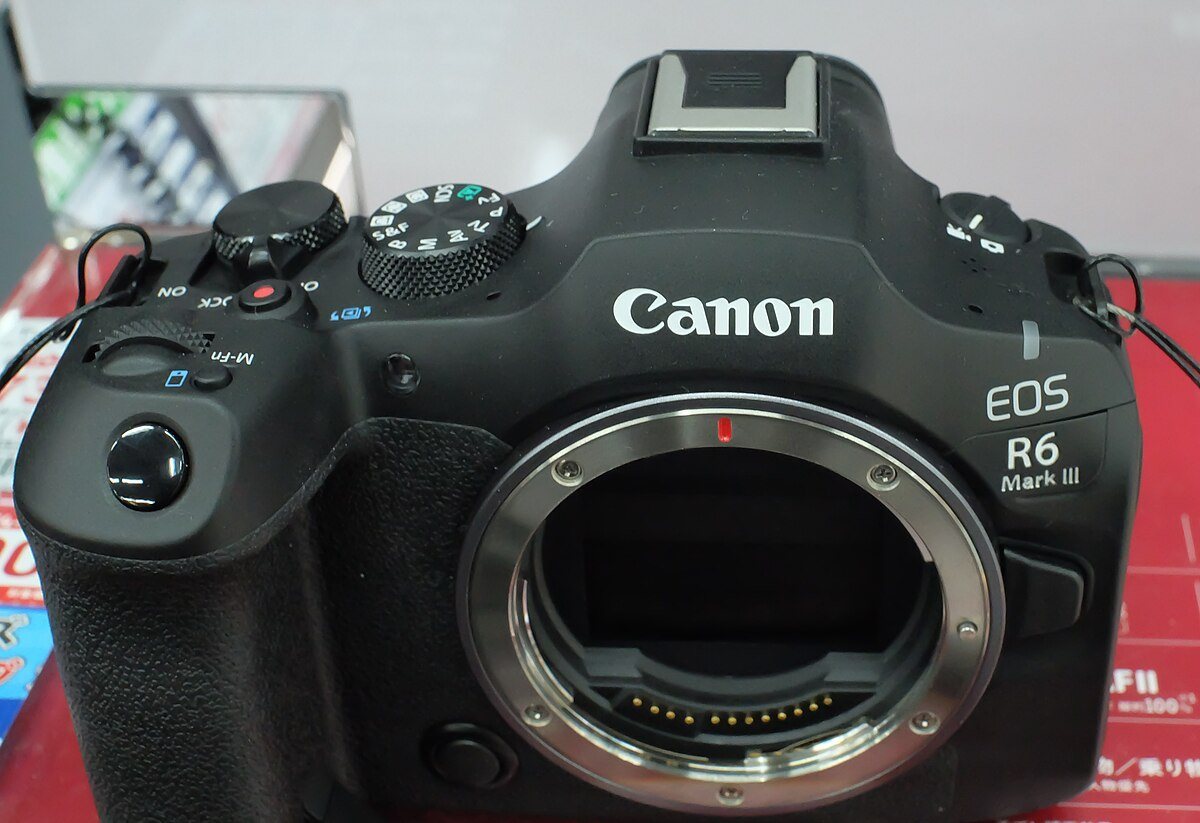
The R6 Mark III keeps the strongest part of Canon ergonomics: the body feels like a working tool. Buttons are where Canon shooters expect them, the grip is substantial, and the camera does not confuse professional control with visual minimalism.
For a long event, that matters more than a spec sheet suggests. Cameras are judged by the hand after six hours. Menu logic, grip depth, control placement, screen angle, card slots, battery planning and lens balance all determine whether a camera feels fast or tiring.
The RF lens ecosystem is the practical barrier. Canon's native glass is excellent, but it can be expensive. The R6 Mark III is easiest to recommend to photographers already invested in RF or EF lenses through Canon's adapter path. A buyer starting from zero should compare total system cost, not only body price.
Competition
Against the Nikon Z6III, the R6 Mark III offers more resolution and Canon's familiar autofocus behavior, while Nikon counters with strong video value and a very mature hybrid body. Against the Sony A7 IV, Canon feels newer and faster, though Sony still has the deeper third-party lens ecosystem. Against Panasonic's S5IIX, Canon wins for autofocus confidence while Panasonic remains extremely attractive for video-centric users who like open codecs and lower system cost.
The R5 Mark II is the internal competitor. If you need high-resolution commercial stills, heavy cropping or the prestige of Canon's upper hybrid tier, the R5 is still the move. If you want the more practical balance, the R6 Mark III is easier to live with.
The R6 Mark II remains a value threat. If you do not need 7K RAW, open gate, the new sensor resolution or the latest capture tools, the older body can be a smarter buy. The Mark III is for photographers who will actually use the new headroom.
Verdict
The Canon EOS R6 Mark III is one of the most complete full-frame hybrid cameras entering 2026. It is not revolutionary in a theatrical way. It is better than that: it solves real problems for working photographers who need stills and video to coexist without changing bodies.
Buy it if you shoot events, weddings, portraits, documentary, sports-adjacent work or hybrid commercial jobs and you want a Canon body that will not feel outdated quickly. Skip it if you shoot only casual stills, if RF lens prices stretch the budget, or if the R6 Mark II already covers your work.
The R6 Mark III is Canon's practical professional camera for the middle of the market, and in 2026 that middle is where a lot of serious image-making happens.
Sources cited in this article
For "Canon EOS R6 Mark III Analysis 2026: The Hybrid Body Canon Needed," these sources document the specifications, product material, and market context used for the source-based review judgment. The page should not be read as a lab-test claim unless it explicitly says hands-on testing was performed.
- Canon USA: EOS R6 Mark III announcement usa.canon.com
- Wikimedia Commons: Canon EOS R6 Mark III image commons.wikimedia.org
Hybrid full-frame cameras
Canon, Sony, Nikon and Panasonic bodies where stills, video, autofocus, codecs, system cost and practical work collide.
- Camera Grand Prix 2026: What the Winners Say About Cameras Now Camera News
- Nikon Z6III in 2026: The Hybrid Camera That Still Makes Sense Camera News
- Sony Alpha 7R VI: What Stacked Resolution Actually Changes Camera News
- Canon EOS R6 V: The Full-Frame V-Series Camera Canon Needed Camera News
- Nikon ZR Analysis 2026: RED RAW Enters the Nikon Z System Reviews