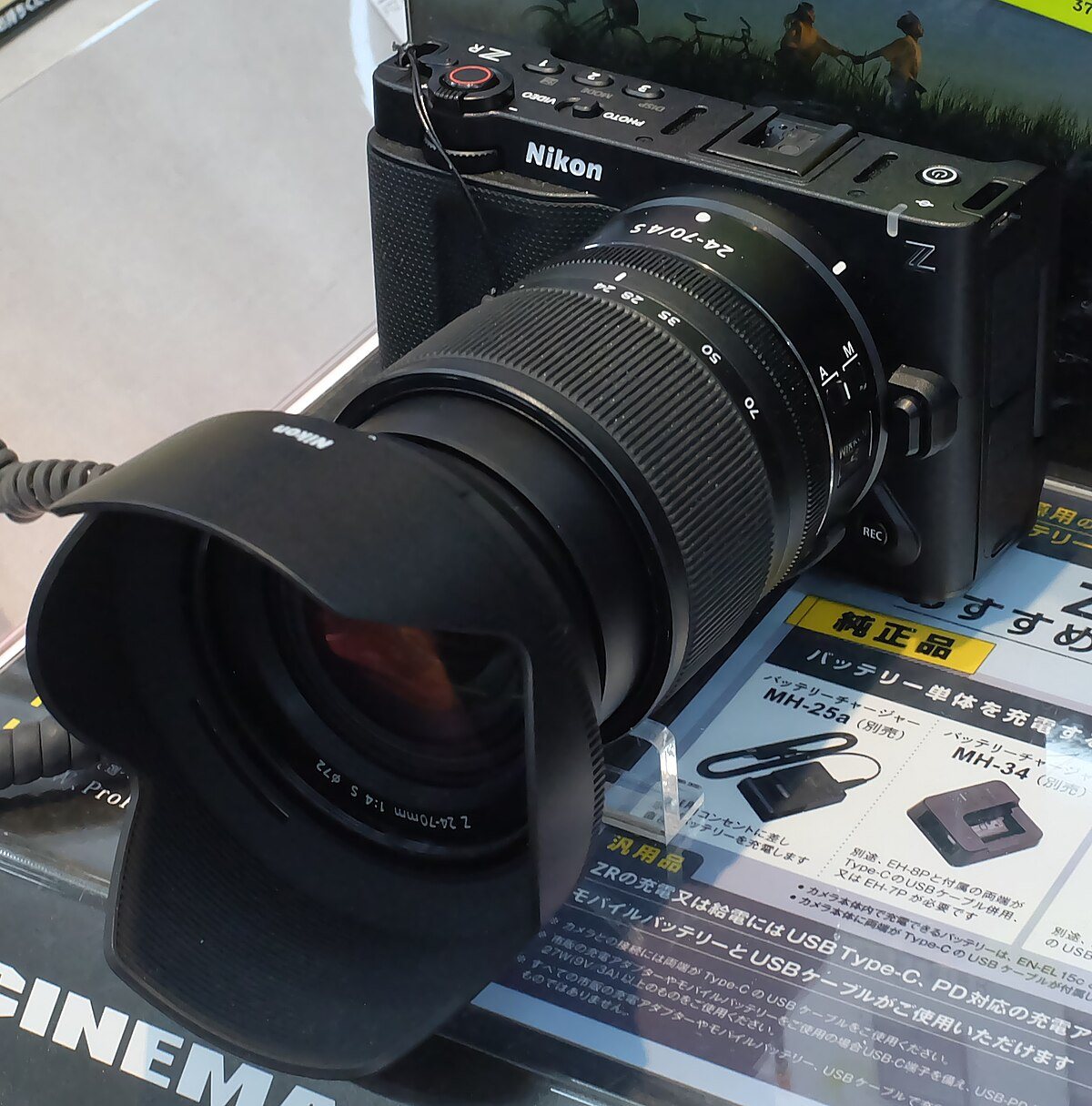

The Nikon ZR is the first Nikon camera that feels less like a mirrorless body with video features and more like a small cinema camera that happens to use the Z mount.
Nikon buying RED was always going to create a question: would RED's technology remain sealed inside high-end cinema bodies, or would Nikon bring it into smaller, more accessible cameras? The ZR is the first serious answer. It puts RED-derived R3D NE recording, RED color science, internal 6K RAW, a large 4-inch monitor, 32-bit float audio and cinema-style interface concepts into a compact full-frame body.
That makes the ZR one of the most interesting cameras of 2026 even if it is not the best camera for every photographer. It is a specialized hybrid, but the specialization points toward motion. Stills are possible, but the camera's center of gravity is video, documentary, interviews, small crews, solo operators and Nikon shooters who want to enter RAW cinema workflows without rebuilding their lens kit.
The body is small enough to look like a mirrorless camera, but its decisions are cinema decisions: shutter angle, waveform monitoring, LUT handling, timecode, audio priority and a screen designed for focusing and exposure rather than casual menu browsing.
That also means the ZR should not be judged by the same standards as a Z6III. If you want an everyday stills/video body, Nikon already has one. The ZR is for people who care about capture formats, exposure control, monitoring, audio and post-production flexibility.
Why the ZR matters
The ZR matters because it changes Nikon's video identity. Nikon has made excellent hybrid cameras for years, but RED brings a different cultural and technical vocabulary: RAW workflow, color science, production monitoring, grading latitude and a cinema-first expectation of what a camera is supposed to deliver.
The result is not a replacement for a traditional cinema rig. It is more interesting than that. It is a small camera that can sit on a gimbal, shoulder rig, cage, tripod, car mount or desk setup while using the Z lens ecosystem. That makes it attractive to operators who need professional files without the mass and cost of larger systems.
For Nikon stills shooters, it also creates a bridge. A Z8 or Z6III can shoot strong video, but the ZR tells the operator to think differently: expose for grade, monitor with intent, record sound properly, and plan the edit before pressing record.
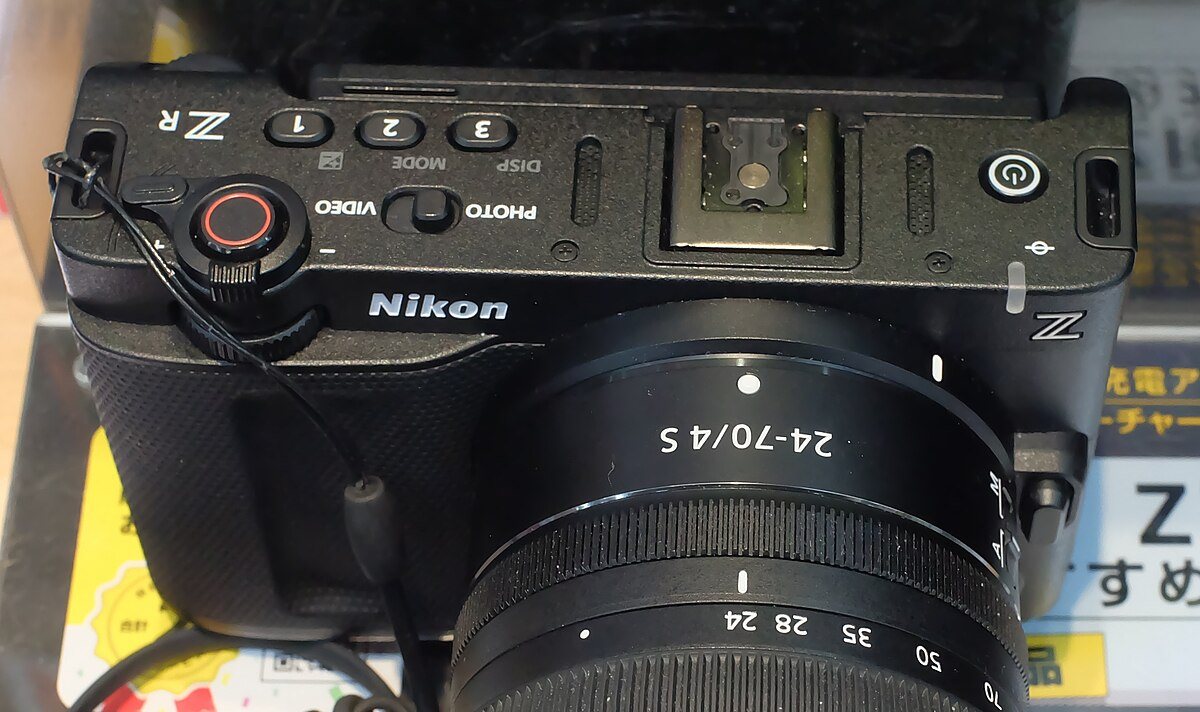
Sensor, color and dynamic range
Nikon describes the ZR around a full-frame sensor and an imaging pipeline that carries RED influence into a Z-mount body. The important practical promise is not only resolution. It is color behavior, highlight management, grading room and the ability to record files that hold up in a controlled post-production pipeline.
The claimed 15+ stops of dynamic range and dual base ISO 800/6400 place the ZR in the conversation for documentary interiors, night streets, interviews, mixed practical lighting and run-and-gun scenes where lighting is imperfect. Those numbers still need to be respected in use: RAW is not magic, and bad exposure is still bad exposure. But the camera is clearly built to give colorists more information than a thin 8-bit or 10-bit consumer file.
The RED connection is most meaningful in the file. R3D NE is designed to give Nikon users a RED-like RAW workflow without the full cost and complexity of a larger RED system. That is the reason this camera exists.
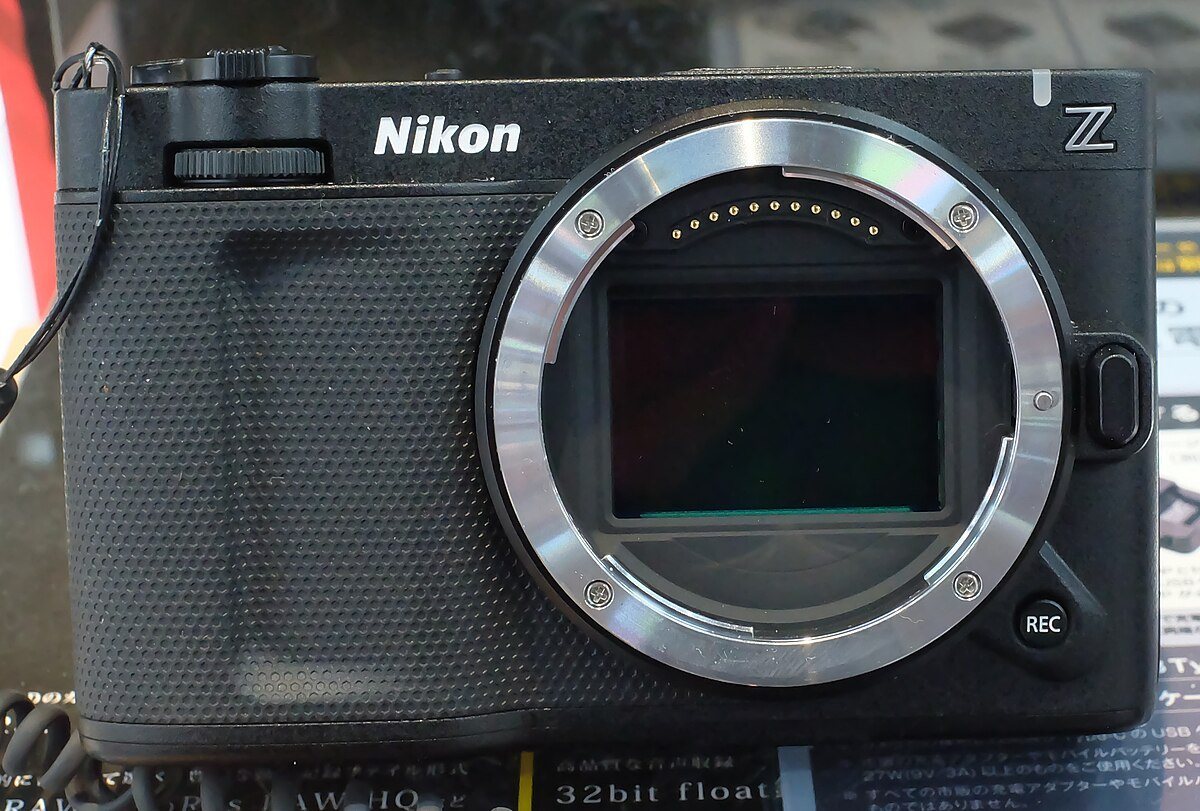
Recording and workflow
The ZR's video modes are the core of the review. Internal 6K/59.94p RAW gives filmmakers a high-resolution master for reframing, stabilization and detailed finishing. 4K high-frame-rate recording adds flexibility for motion detail and slow-motion sequences. The camera also supports practical production tools such as LUT viewing, waveform monitoring and shutter angle.
The tradeoff is that the workflow becomes serious. RAW files demand storage, backup discipline, faster media, stronger editing hardware and a real color pipeline. The ZR is not a camera to buy casually because the specification sounds cinematic. It is a camera to buy when the operator is ready to treat capture and post as one system.
That is why the ZR may be more valuable to a small crew than to a casual creator. A filmmaker shooting interviews, brand films, music videos, short documentaries or festival work can build a coherent workflow around it. A person who mostly wants quick clips for social media may be better served by a simpler camera.
Autofocus and stabilization
Nikon's modern autofocus has improved enormously, and the ZR benefits from that progress. For solo operators, subject detection and reliable face tracking can make the difference between a usable interview and a ruined take. The camera cannot replace a focus puller in every situation, but it can reduce the stress of small productions.
Stabilization should be treated as a support tool, not a substitute for camera movement craft. The ZR can help tame handheld work, but a small body still benefits from a cage, grip, shoulder support, tripod, monopod or gimbal depending on the job.
The real advantage is flexibility. A small Z-mount cinema body can move between controlled and improvised setups faster than a larger rig.
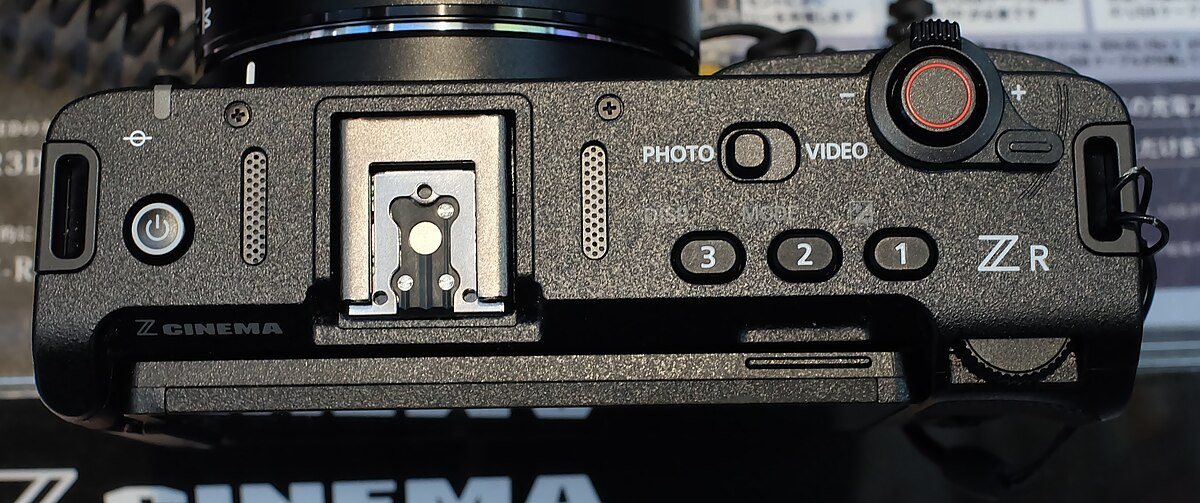
Audio and monitoring
The 32-bit float audio support is one of the smartest choices Nikon made. Audio is where small productions often fail, and 32-bit float gives more safety when levels are unpredictable. It does not make bad microphone placement sound good, but it gives the operator more recovery room when volume changes suddenly.
The 4-inch vari-angle monitor also changes the camera's personality. A large screen makes manual focus, exposure assessment, menu work and LUT preview more practical. It is not the same as a dedicated external monitor, but it reduces the amount of gear needed for lighter jobs.
For documentary work, that matters. Every accessory adds setup time and failure points. The ZR is strongest when it keeps a small rig small.
Stills and hybrid use
The ZR can take stills, but buying it primarily for photography would miss the point. Nikon's Z6III, Z8 and Zf are more natural choices for photographers who want a balanced stills-first experience. The ZR's body design, screen priority and interface logic are clearly aimed at motion.
That does not make the stills mode useless. It is useful for thumbnails, production stills, location references, behind-the-scenes images and hybrid jobs where a video operator needs occasional photographs. But this is a cinema camera first.
Competition
The closest comparisons are not simple. Panasonic's S5IIX offers excellent video value and a strong open-gate workflow. Sony's FX3 and FX30 have mature ecosystems, reliable autofocus and production familiarity. Canon's EOS C50 offers Canon color, RF integration and a more cinema-labeled path. Blackmagic remains a price-to-codec disruptor for users who can live without modern continuous autofocus.
The Nikon ZR's argument is RED workflow in a compact Nikon body. That is a specific argument, but a compelling one. If you own Z lenses and want RAW video without leaving the system, the ZR is unusually direct.
If you want the easiest all-round hybrid camera, the ZR is probably not it. If you want a small camera designed around serious video capture, it becomes much more persuasive.
Verdict
The Nikon ZR is a major camera because it gives Nikon a new video identity. It does not merely add another mirrorless body to the line. It creates a compact cinema branch that can grow.
Buy it if you shoot documentaries, interviews, branded films, music videos, small crew work or solo cinema and you want RED-influenced RAW workflow in the Z system. Skip it if you mostly shoot stills, need a simpler camera, or do not want the storage and grading discipline that RAW demands.
The ZR is not for everyone. That is why it is interesting.
Sources cited in this article
For "Nikon ZR Analysis 2026: RED RAW Enters the Nikon Z System," these sources document the specifications, product material, and market context used for the source-based review judgment. The page should not be read as a lab-test claim unless it explicitly says hands-on testing was performed.
- Nikon: Nikon ZR announcement nikon.com
- Wikimedia Commons: Nikon ZR image commons.wikimedia.org
Hybrid full-frame cameras
Canon, Sony, Nikon and Panasonic bodies where stills, video, autofocus, codecs, system cost and practical work collide.
- Camera Grand Prix 2026: What the Winners Say About Cameras Now Camera News
- Canon EOS R6 Mark III Analysis 2026: The Hybrid Body Canon Needed Reviews
- Nikon Z6III in 2026: The Hybrid Camera That Still Makes Sense Camera News
- Sony Alpha 7R VI: What Stacked Resolution Actually Changes Camera News
- Canon EOS R6 V: The Full-Frame V-Series Camera Canon Needed Camera News