The Camera Grand Prix 2026 winners are more than an awards list. Together they show where camera design, hybrid performance and compact-camera identity are moving.
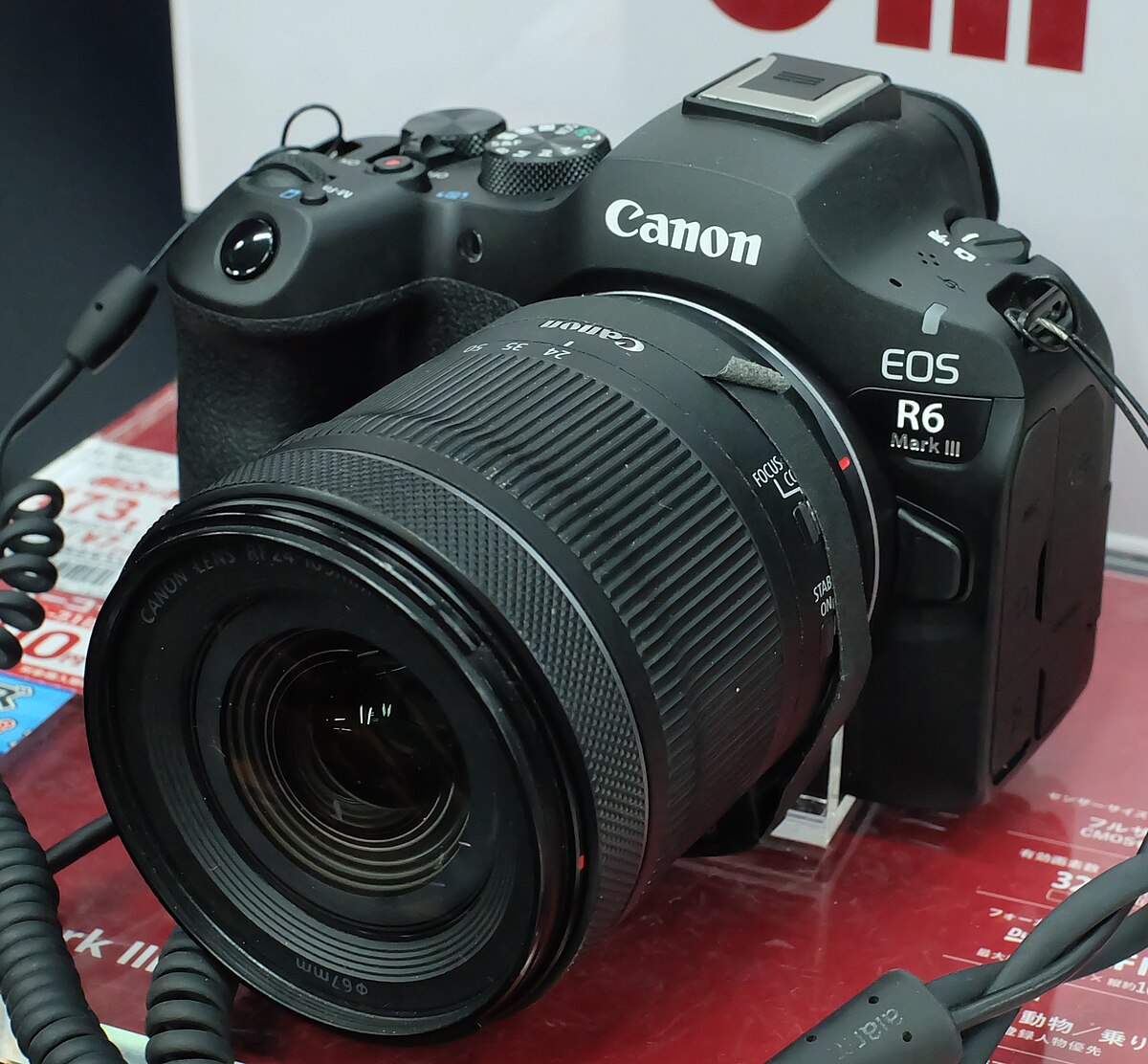
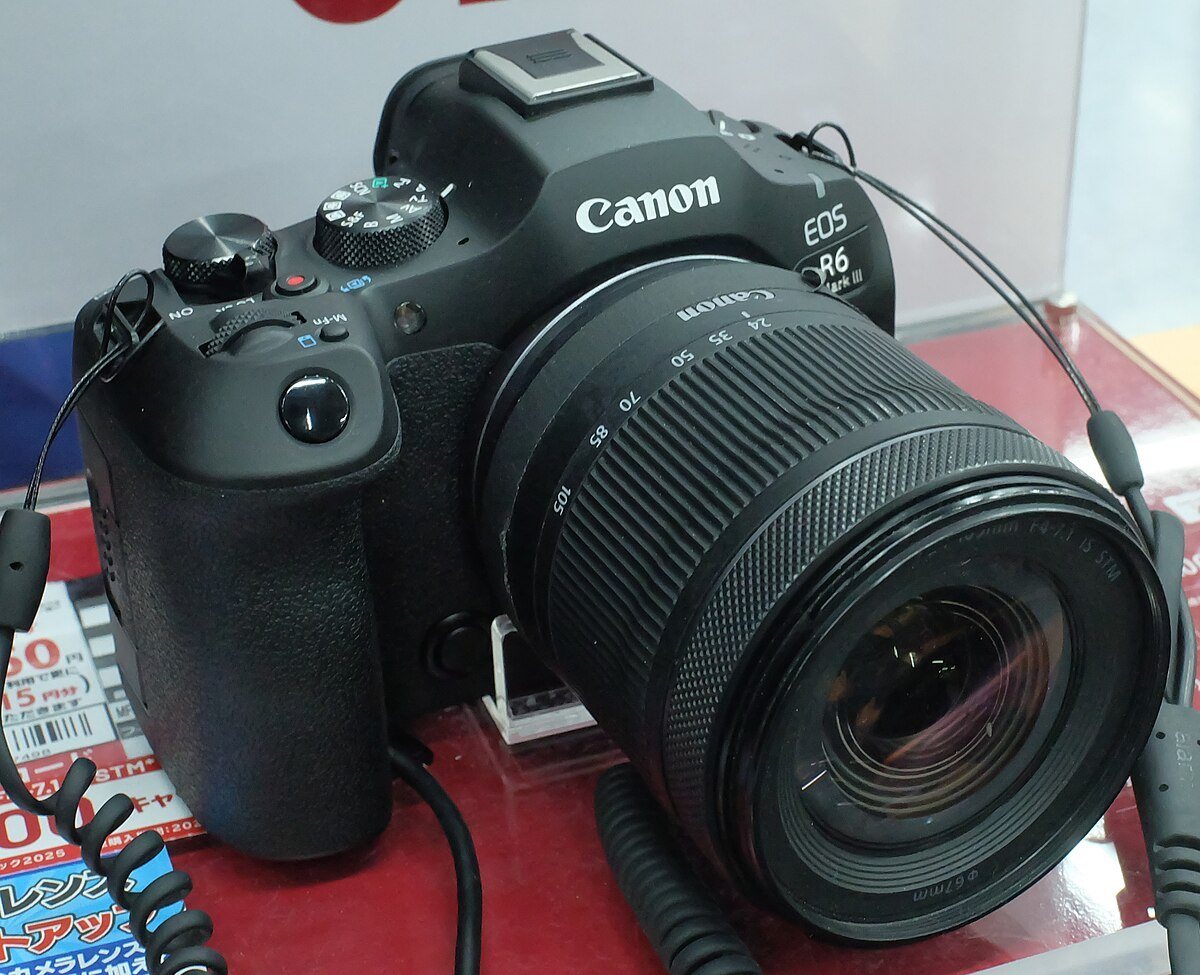
The headline is that Sony's Alpha 7 V won Camera of the Year, while Canon's EOS R6 Mark III won the Readers Award. That split matters because it separates two kinds of authority: the committee's view of technical direction and photographers' direct vote for the camera they trust.
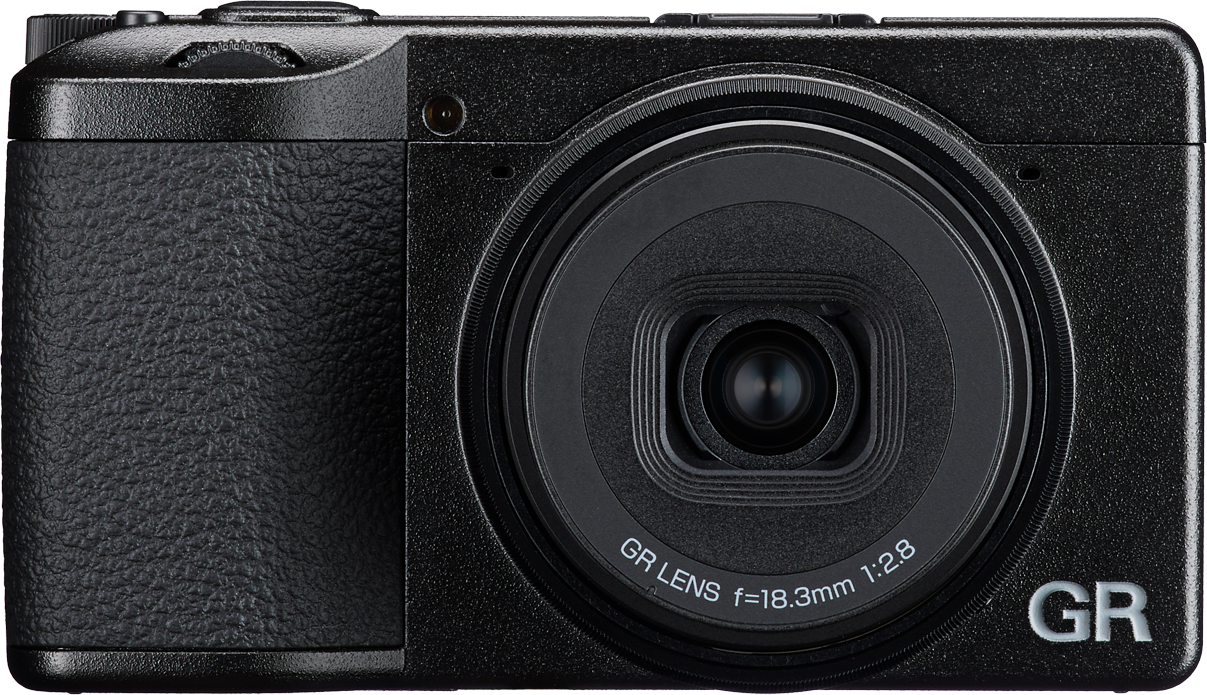
The rest of the list is just as revealing. Ricoh's GR IV Monochrome being recognized for technology says that monochrome is no longer only a luxury-range idea. Sigma's BF and Fujifilm's X half being recognized by editors shows that industrial design, constraint and camera personality are part of the 2026 conversation.
The sharper reading is not that awards decide what anyone should buy. It is that the winning cameras map the pressure points of the current market: full-frame hybrid speed, compact-camera discipline, tactile design, creator workflows and the desire for cameras that do not feel like phones.
Why the Sony and Canon split matters
Sony winning Camera of the Year with the A7 V reinforces a familiar truth about the full-frame mirrorless market: the basic model is no longer basic. The important cameras in this tier now have to balance autofocus, speed, video, subject recognition, battery life, screen flexibility and still-image quality without feeling like specialist tools.
Canon winning the Readers Award with the EOS R6 Mark III tells a different story. The R6 line sits in the practical hybrid middle: expensive enough to be serious, but not as psychologically distant as a flagship or high-resolution body. That is exactly where many working photographers, event shooters, family documentarians and advanced enthusiasts live.
Read together, the two awards say that 2026 is not being led by one dream camera. It is being led by cameras that make fewer excuses. A body has to shoot fast, focus reliably, handle video with confidence and still feel like a real stills camera in the hand.
The compact-camera thread
Ricoh GR IV Monochrome is the most interesting winner if you care about photography as a habit rather than a specification sheet. A monochrome-only compact camera is a narrow proposition, but that is the point. It turns limitation into identity and gives photographers a tool that asks for a different kind of attention.
That recognition fits the wider compact-camera revival. People are not only buying small cameras because they are convenient. They are buying them because they change the rhythm of looking. A pocket body with a fixed point of view can make photography feel less like content capture and more like a deliberate act.
Sigma BF and Fujifilm X half add the same lesson from different angles. Their awards suggest that camera design is not superficial when it changes how people carry, hold, frame and repeat photographs. In a phone-saturated market, identity is not decoration; it is one way a camera justifies its existence.
What this means for buyers
For photographers shopping in 2026, the awards are useful only if they are read as categories. Sony A7 V represents the modern full-frame all-rounder. Canon EOS R6 Mark III represents the user-trusted hybrid workhorse. Ricoh GR IV Monochrome represents disciplined compact photography. Sigma BF and Fujifilm X half represent cameras whose shape and concept are part of the appeal.
That means the right question is not, Which camera won? The better question is, Which pressure point matches my work? If you need a professional hybrid body, the Sony and Canon conversation matters. If you want a camera that changes your daily seeing, the Ricoh and Fujifilm side of the list may matter more.
The strongest camera market is not one where every product becomes the same high-spec rectangle. It is one where performance cameras, compact cameras and strange cameras can all make a defensible case.
Why it matters editorially
The Camera Grand Prix list is a useful barometer because it exposes more than brand strength. It shows which camera ideas are being rewarded by different constituencies: committees, readers and editors. When those groups point in slightly different directions, the disagreement is the story.
Sony's win says technical escalation still defines the top of the mirrorless market. Canon's reader win says usability and value still matter to people who live with cameras. Ricoh's monochrome recognition says constraint can be a serious technology argument, not only an aesthetic pose.
That is the important photography story today: the camera is not disappearing. It is being forced to become more specific.
Read the wider market context
For the buying side of the same story, Photography Today has a live market guide comparing the cameras moving through Amazon, B&H and the current mirrorless conversation.
Sources cited in this article
For "Camera Grand Prix 2026: What the Winners Say About Cameras Now," these sources separate confirmed product information from editorial interpretation, market context, and buying-risk analysis.
- Digital Camera World: Sony A7 V wins Camera Grand Prix 2026 Camera of the Year digitalcameraworld.com
- Digital Camera World: Canon EOS R6 Mark III wins the Camera Grand Prix 2026 Readers Award digitalcameraworld.com
- Ricoh GR: RICOH GR IV Monochrome wins Camera GP 2026 Editors Choice Technology Award ricohgr.eu
- Canon USA: EOS R6 Mark III announcement usa.canon.com
- Ricoh Imaging: RICOH GR IV launch announcement us.ricoh-imaging.com
Compact-camera revival
Pocket cameras, creator compacts, Ricoh GR discipline, RX100 demand, and the reason small dedicated cameras still matter.
- Compact Cameras in 2026: Why Small Cameras Came Back Camera News
- Best Compact Cameras in 2026: G7 X Mark III, PowerShot V1, RX100 VII or Ricoh GR? Camera News
- Canon PowerShot G7 X Mark III in 2026: Still Useful, No Longer Obvious Camera News
- Canon PowerShot V1 Analysis 2026: A Compact Camera Built for Creators Reviews
- Ricoh GR IV Analysis 2026: The Snapshot Camera Gets Sharper Reviews