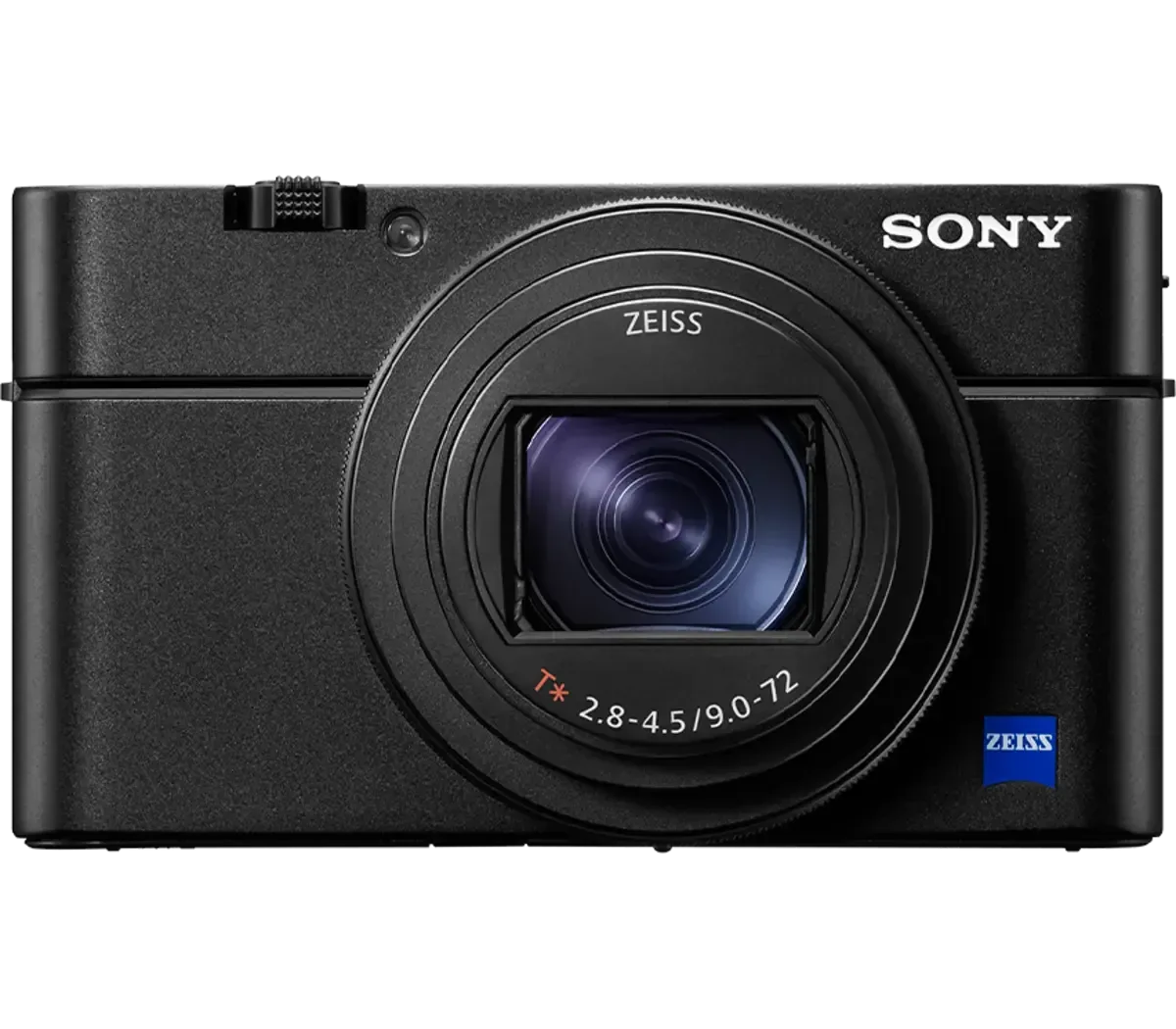
The RX100 VIII rumor refuses to die because photographers still want a pocket camera with real zoom, strong autofocus and better image quality than a phone. As of this 2026 update, Sony's official compact lineup still points users to the RX100 VII.
The RX100 VII remains the official reference point: a pocketable 1-inch compact with a 24-200mm equivalent zoom, fast autofocus and serious video features for its size. That makes the absence of an RX100 VIII more interesting than another speculative feature list.
The compact-camera market has changed around Sony. Phones absorbed casual photography, Ricoh proved that fixed-lens pocket cameras can become cult tools, and creator cameras moved attention toward video. A new RX100 would need to answer a hard question: is a premium zoom compact still a mass-market product or now a specialist travel camera?
The honest 2026 recommendation is simple. Buy the RX100 VII if you need that zoom range in a pocket now. Do not buy based on an imagined RX100 VIII unless you are comfortable waiting indefinitely.
What a future model would need
A credible RX100 VIII would need better computational support, stronger battery life, modern USB-C workflow and video tools that reflect how compact cameras are used now.
But it would also need to protect what made the line valuable: real zoom reach in a camera small enough to carry anywhere.
Buy now or wait
Buy now if the project needs a pocket zoom camera this season. Wait only if the purchase is optional and the RX100 VII price feels too high for older technology.
Rumor-based buying is usually bad editorial discipline.
Why the missing RX100 still matters
The RX100 VIII rumor persists because no phone has fully replaced the idea of a pocket camera with a real zoom, fast operation and an integrated viewfinder. Sony's silence leaves a gap that other compact-camera revivals do not quite fill.
The question is whether the market would reward a premium pocket zoom at today's prices. If buyers mostly want nostalgia, creator video or large-sensor stills, the RX100 formula may need more than a routine update to feel alive again.
Sources cited in this article
For "Sony RX100 VIII Status Check 2026: The Camera We Still Have Not Seen," these sources separate confirmed product information from editorial interpretation, market context, and buying-risk analysis.
- Sony Electronics: RX100 VII product page electronics.sony.com
Compact-camera revival
Pocket cameras, creator compacts, Ricoh GR discipline, RX100 demand, and the reason small dedicated cameras still matter.
- Compact Cameras in 2026: Why Small Cameras Came Back Camera News
- Best Compact Cameras in 2026: G7 X Mark III, PowerShot V1, RX100 VII or Ricoh GR? Camera News
- Camera Grand Prix 2026: What the Winners Say About Cameras Now Camera News
- Canon PowerShot G7 X Mark III in 2026: Still Useful, No Longer Obvious Camera News
- Canon PowerShot V1 Analysis 2026: A Compact Camera Built for Creators Reviews