
The useful part of Sergio Larrain's famous advice is not mystique. It is discipline: walk without forcing pictures, let attention build, and make the camera part of a slower relation to the world.
Larrain is often reduced to a legend of disappearance: the Chilean photographer who entered Magnum, made some of the most charged street photographs of the 20th century, and then stepped away from the professional circuit. That summary is tempting, but it can flatten the work. The photographs are not interesting because he vanished. They are interesting because he treated seeing as a physical and moral practice.
His letter to a young photographer is usually passed around because it sounds gentle. It asks for walking, patience, receptivity, and a kind of looseness that is hard to teach. But the letter is not soft advice. It is demanding advice. It tells a photographer to stop using the camera as a tool of conquest and start using it as a way of entering a place.
That is why the letter still matters. It is not a shortcut to better street photography. It is a warning about attention. If the body is rushed, the pictures become rushed. If the photographer arrives only to extract an image, the world closes. Larrain's lesson is that the picture comes after a way of being present has already begun.
The Photographer Behind the Letter
Sergio Larrain was born in Santiago, Chile, in 1931. Magnum's biography describes a short but decisive photographic career: he took up photography in the late 1940s, worked as a freelance photographer, received early institutional recognition from the Museum of Modern Art, and joined Magnum after Henri Cartier-Bresson noticed his work on street children.
Those details matter because the letter was not written by someone outside photographic pressure. Larrain knew the assignment world, the magazine world, the prestige economy, and the burden of being recognized early. When he later moved toward seclusion, meditation, writing, and drawing, it was not ignorance of photography. It was a refusal to let photography become only a profession.
What the Letter Is Really About
The letter is often treated as a recipe for inspiration: take a walk, relax, let things happen. That reading is too easy. Larrain is asking for a deeper change in conduct. The young photographer is told to stop hunting pictures with a tense will and to let perception become more open.
This is practical advice. A photographer who walks without a fixed target notices rhythm, distance, repetition, and small accidents of light. The camera becomes less like a weapon and more like a listening device. Larrain's language may sound spiritual, but the result is concrete: better timing, less stiffness, more sensitivity to what is actually in front of the lens.
Why Valparaiso Matters
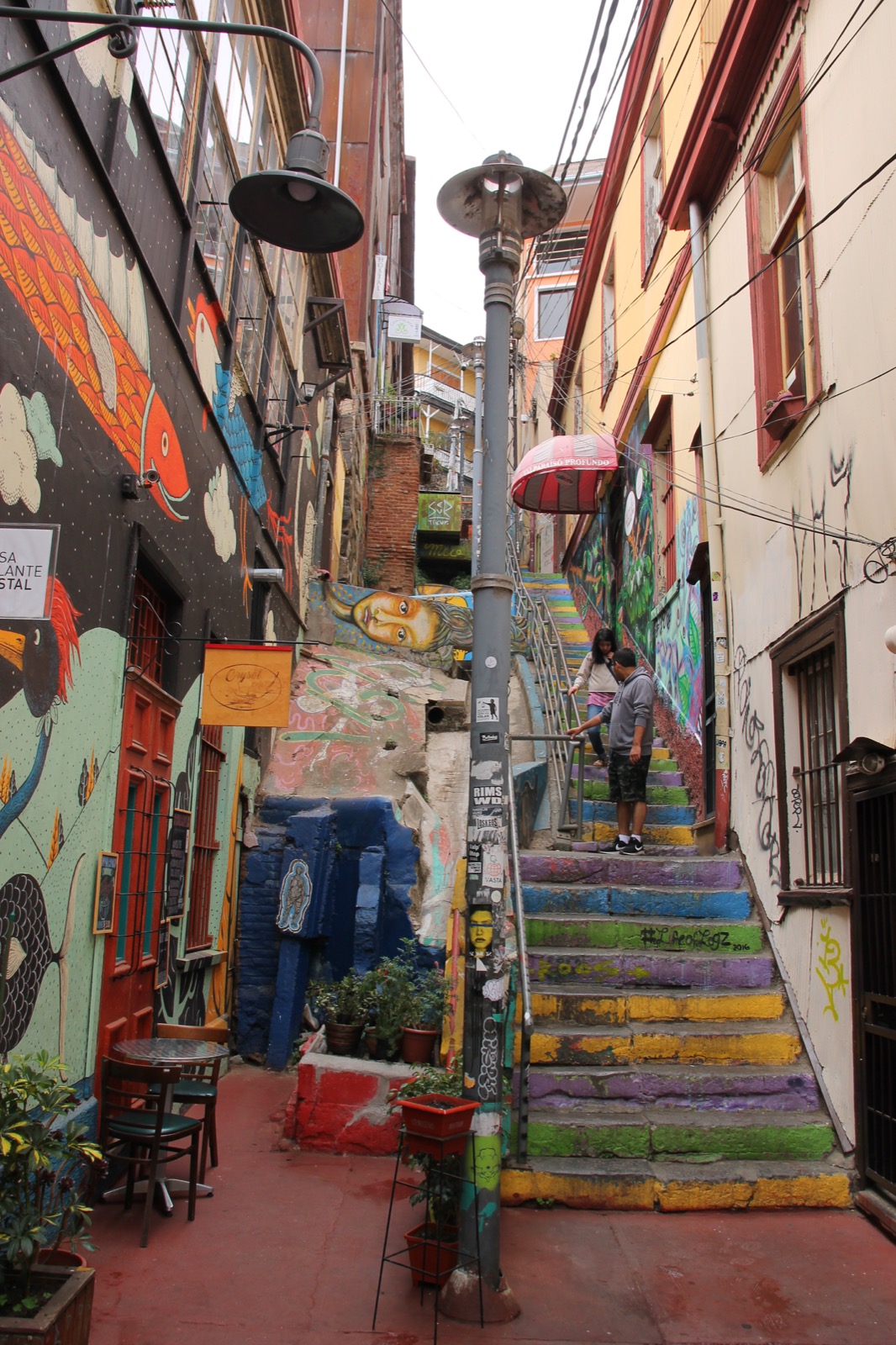
Valparaiso was not background scenery for Larrain. It gave his pictures a structure of stairs, corridors, hills, windows, shadows, and sudden human appearances. Magnum's essay on his Valparaiso work describes an experimental visual language built from vertical frames, low viewpoints, and a restless relation between human figures and the city.
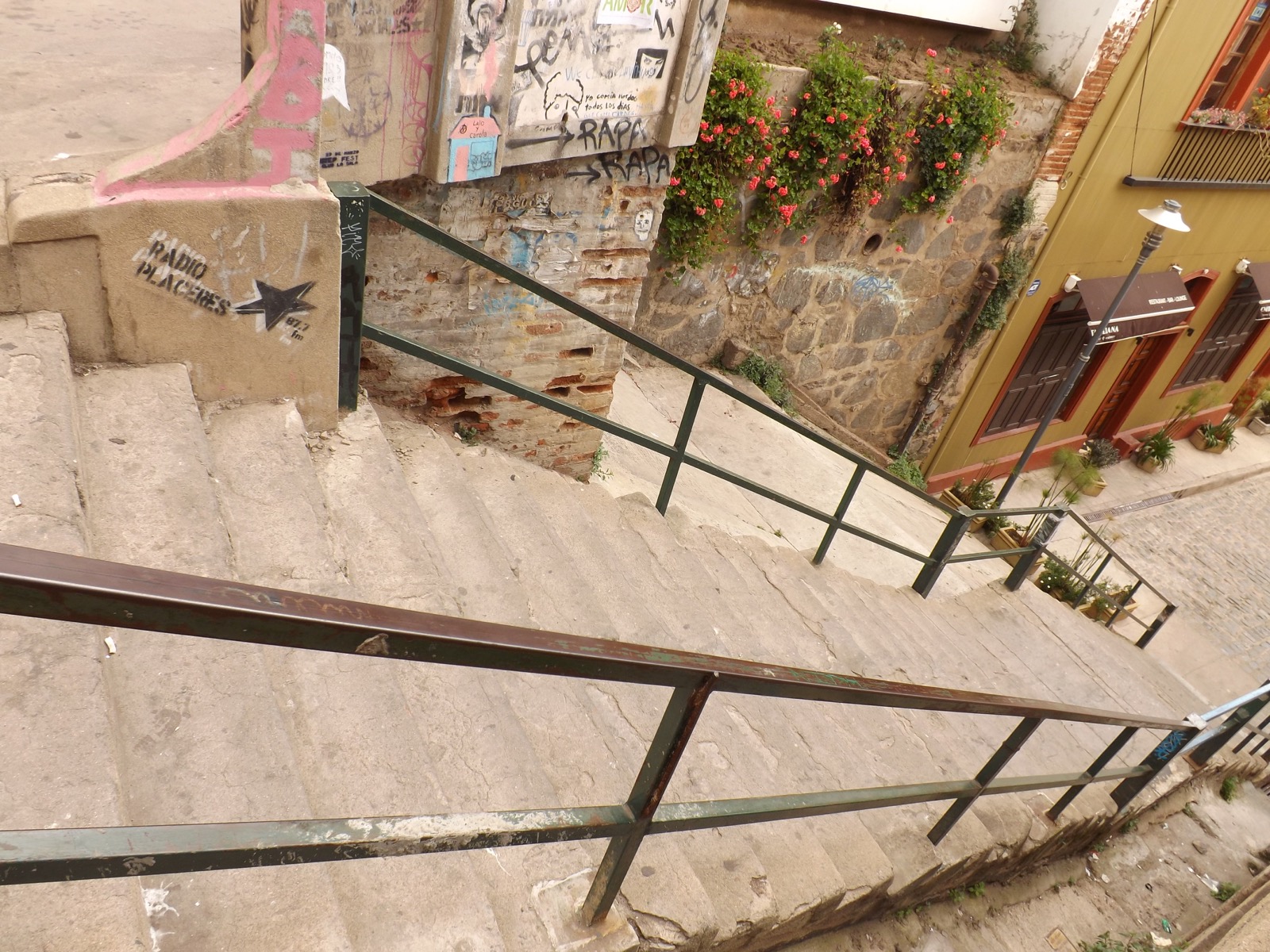
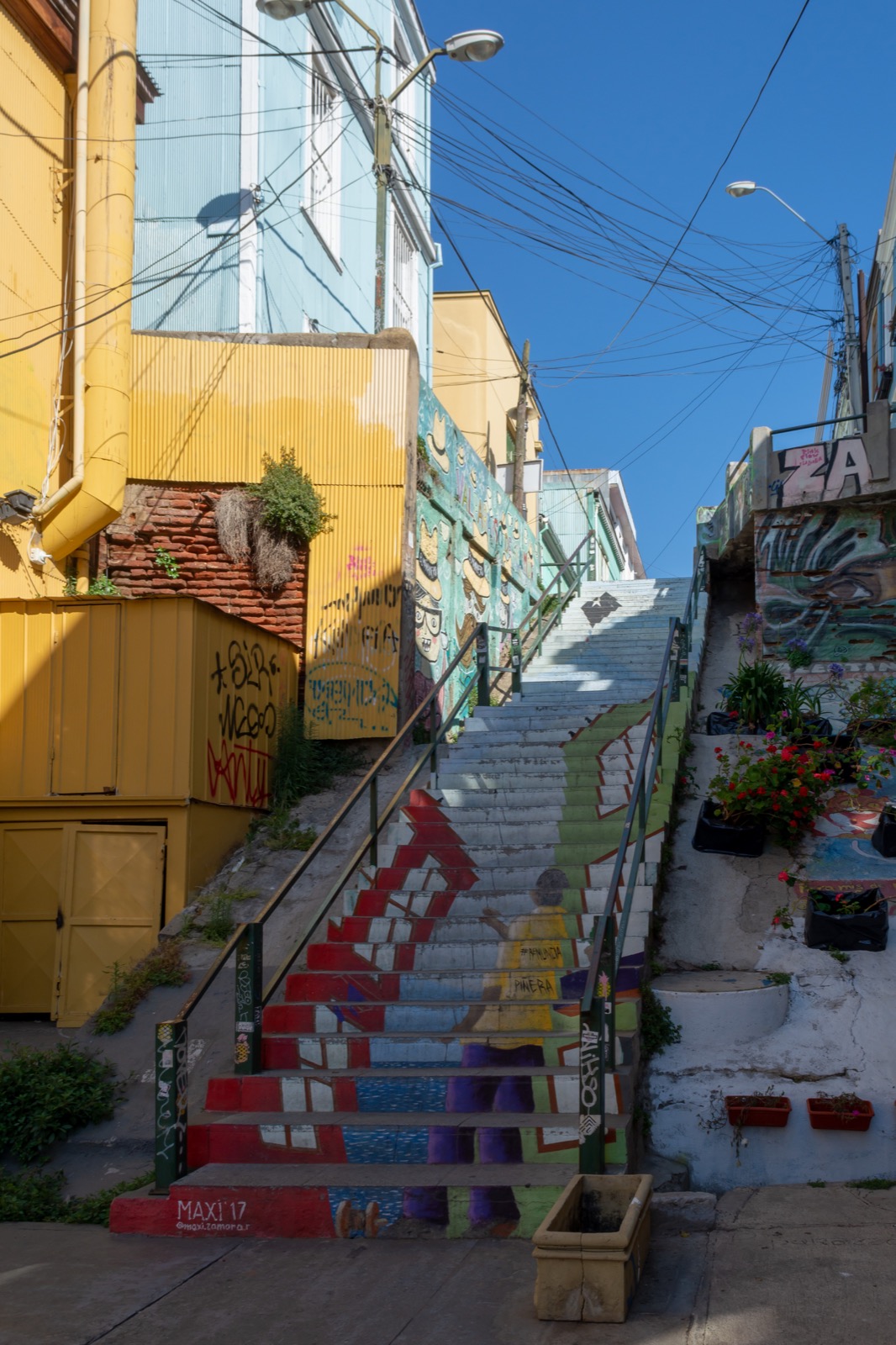
That is why generic filler pictures do not belong on a page about him. A reader needs to feel the kind of urban space that shaped the work. The photographs used here are not Larrain's copyrighted images; they are real views of Valparaiso chosen to support the context without pretending to reproduce his pictures.
A Lesson for Photographers Now
The contemporary temptation is to make more: more frames, more edits, more posts, more output. Larrain's letter points in the opposite direction. It asks for a smaller number of more fully inhabited photographs.
That does not mean rejecting technology or becoming nostalgic. It means protecting the one thing no camera can automate: the photographer's relation to time. Before composition, before equipment, before style, there is the question of how long you can stay with a place before demanding that it perform for you.
How to Read the Advice Without Imitating Him
Larrain does not need disciples copying his angles or romanticizing withdrawal. The stronger lesson is less theatrical. Walk more than you shoot. Return to places. Notice when impatience is deciding for you. Let the first pictures be bad if they help you arrive.
The letter remains alive because it does not promise control. It suggests that photography begins when control loosens enough for the world to answer back.
Sources cited in this article
For "Sergio Larrain's Letter to a Young Photographer: Walk First, Photograph Later," these sources ground the cultural argument in public records, archives, exhibitions, project material, or reporting.
- Magnum Photos: Sergio Larrain profile magnumphotos.com
- Magnum Photos: Sergio Larrain, Valparaiso magnumphotos.com
- Magnum Photos: Sergio Larrain, Vagabond Photographer magnumphotos.com
- Foto Colectania: Sergio Larrain, El vagabundo de Valparaiso fotocolectania.org
- Wikimedia Commons: Cerro Concepcion stairs, Valparaiso commons.wikimedia.org
- Wikimedia Commons: Valparaiso 9400 commons.wikimedia.org
- Wikimedia Commons: Escala calle Papudo, Cerro Concepcion commons.wikimedia.org
Photography history and visual literacy
Photobooks, archives, photographer voices, exhibitions and the older ideas that still shape how cameras are used.
- Anna Atkins: The Photographer Who Made the First Photo Book in Blue Inspiration
- Cartier-Bresson and the Decisive Moment in the Digital Age Inspiration
- Photography Books for Visual Literacy in 2026 Inspiration
- MoMA New Photography 2025: Lines of Belonging After the Show Inspiration
- Perfect Days and the Compact Camera in 2026 Inspiration