APS-C is still one of the most sensible formats in 2026. The cameras are small enough to carry, good enough for serious work and often cheaper to build into a complete lens kit than full frame.
The old 2025 list needed a reset because APS-C is no longer just a beginner category. Sony, Fujifilm, Nikon and Canon now use APS-C bodies for travel, hybrid video, wildlife reach, content creation and everyday photography. The right choice depends less on megapixels and more on lens ecosystem and handling.
The Sony a6700 remains the strongest hybrid pick for photographers who need autofocus, video and a compact body. Fujifilm's X-T5 is the photography-first choice when resolution, dials and color controls matter. Nikon's Z50II is the accessible Z-mount option, especially for users who may later move into full-frame Nikon. Canon's EOS R10 remains a lightweight, fast entry into RF-S and RF lenses.
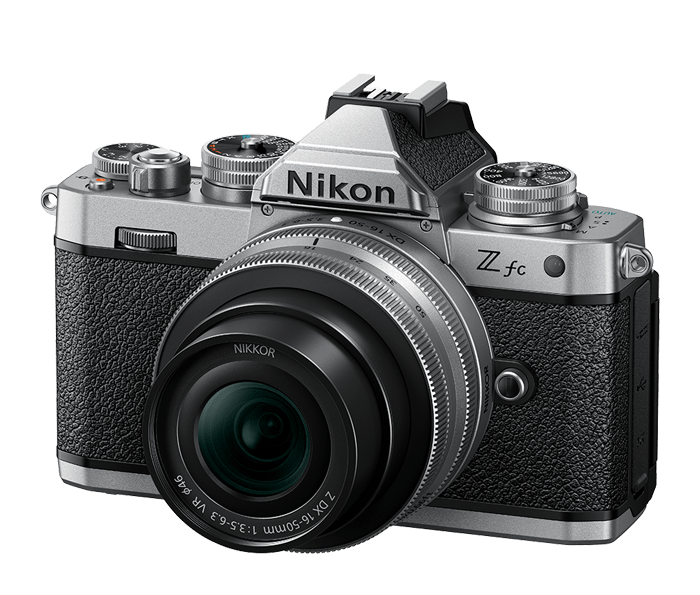
A good 2026 APS-C recommendation must include a warning: do not buy a body without pricing the lenses. A cheap camera can become a bad system if the wide-angle, portrait or telephoto lenses you need are missing or too expensive.
Recommended paths
Choose Sony a6700 if you want the most complete hybrid APS-C body. Choose Fujifilm X-T5 if still photography, tactile controls and 40MP files matter more than compact price. Choose Nikon Z50II if you want an approachable Nikon system body. Choose Canon R10 if you want speed and a light kit at a lower starting point.
Fujifilm X-M5 also deserves attention for creators who want small size and video-friendly handling, but photographers who need a viewfinder may want to step up in the X line.

What beginners should ignore
Ignore most arguments about full frame being automatically more professional. For a large percentage of editorial, travel, family, street and online work, APS-C gives enough image quality with less weight.
The real beginner mistake is buying too many accessories before learning one camera and one lens deeply.
APS-C is a system decision
An APS-C recommendation is weak if it stops at the body. The real value appears when the lenses, size, autofocus behavior, stabilization, video codecs and upgrade path make sense together.
The strongest APS-C cameras in 2026 are not just cheaper full-frame substitutes. They are systems for people who want smaller kits, faster reach, lower lens cost, and enough image quality to work without treating full frame as the only serious endpoint.
Sources cited in this article
For "Best APS-C Cameras in 2026: Practical Picks for Real Photographers," these sources separate confirmed product information from editorial interpretation, market context, and buying-risk analysis.
- Sony Electronics: Alpha 6700 product page electronics.sony.com
- Fujifilm X Series: X-T5 product page fujifilm-x.com
- Nikon USA: Z50II product page nikonusa.com
- Canon USA: EOS R10 product page usa.canon.com
- Fujifilm: X-M5 launch announcement fujifilm.com
Camera market and buying context
Retail demand, bestseller signals, APS-C systems, upgrade decisions and camera-company pressure beyond spec sheets.
- Best-Selling Cameras in 2026: What Amazon and B&H Buyers Are Really Choosing Camera News
- Camera Grand Prix 2026: What the Winners Say About Cameras Now Camera News
- APS-C Camera Systems in 2026: Lenses, Bodies and Real Value Camera News
- GoPro Strategic Review: Why the Action Camera Pioneer Is Looking Beyond Action Cameras Camera News
- Ricoh GR IV Upgrade Guide 2026: Upgrade, Wait, or Keep the GR III Camera News