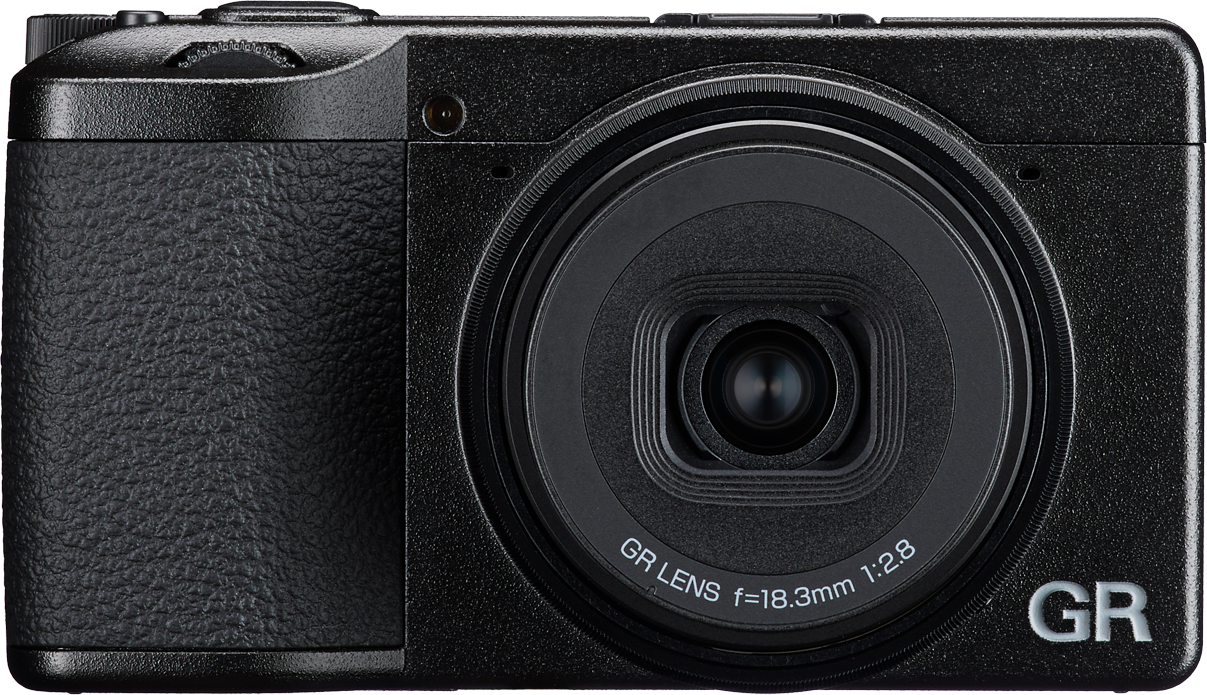
The old version asked when the Ricoh GR IV would finally arrive. In 2026, that question is obsolete. The useful question is whether the launch changed the buying logic for GR III owners and compact-camera photographers.
Ricoh's launch ended the speculation cycle but did not end the debate. GR cameras attract intense loyalty because they are not generic compacts. They are small, fast, fixed-lens tools for people who photograph as a daily reflex.
The GR IV's official positioning around new core components makes the camera important, but not automatically necessary for every GR III owner. If the older camera still produces the work, the upgrade depends on responsiveness, reliability, battery behavior, file improvements and whether the new handling feels better in hand.
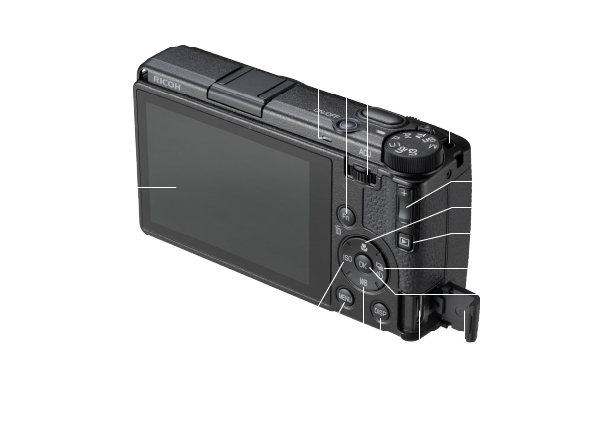
For new buyers, the GR IV is easier to justify than a used-market chase if the budget allows. For existing users, the best answer is slower: wait for real long-term field reports, then decide whether the new camera changes pictures or only desire.
Upgrade logic
Upgrade if the GR IV solves a real friction point: focus speed, image quality, responsiveness, reliability or workflow.
Do not upgrade only because the old camera became less fashionable. A GR is valuable when it is worn from use.
The compact-camera signal
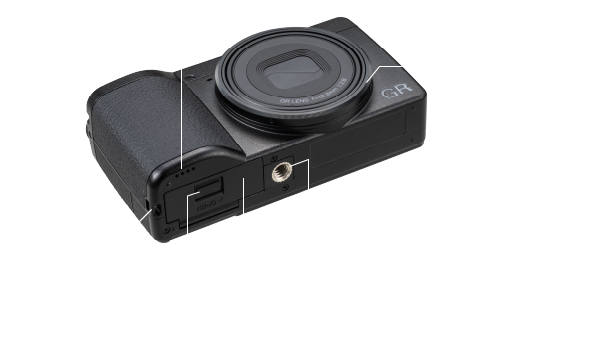
The GR IV's existence says that demand for serious pocket cameras is real, even if the category is smaller than it was before smartphones.
That makes the camera culturally important beyond Ricoh users. It shows that constraint can still be a product strategy.
The upgrade is about behavior
A GR upgrade only makes sense if it changes how often and how confidently the camera is used. The line is built around readiness, pocketability and fixed-lens seeing, so small improvements can matter more than they would on a general-purpose body.
GR III owners should judge the GR IV by missed pictures, not curiosity. If startup, autofocus, stabilization, battery life or file confidence have been limiting the work, the upgrade is practical; if the GR III still disappears into daily life, keeping it may be the sharper decision.
Sources cited in this article
For "Ricoh GR IV Upgrade Guide 2026: Upgrade, Wait, or Keep the GR III," these sources separate confirmed product information from editorial interpretation, market context, and buying-risk analysis.
- Ricoh Imaging: RICOH GR IV launch announcement us.ricoh-imaging.com
- Ricoh Imaging: RICOH GR IV development announcement us.ricoh-imaging.com
Camera market and buying context
Retail demand, bestseller signals, APS-C systems, upgrade decisions and camera-company pressure beyond spec sheets.
- Best-Selling Cameras in 2026: What Amazon and B&H Buyers Are Really Choosing Camera News
- Camera Grand Prix 2026: What the Winners Say About Cameras Now Camera News
- Best APS-C Cameras in 2026: Practical Picks for Real Photographers Camera News
- APS-C Camera Systems in 2026: Lenses, Bodies and Real Value Camera News
- GoPro Strategic Review: Why the Action Camera Pioneer Is Looking Beyond Action Cameras Camera News