The iPhone 16 is a good camera in 2026, but not because it defeats dedicated cameras. It matters because it made computational control feel normal to millions of casual photographers.
Apple introduced the iPhone 16 and 16 Plus with Camera Control, a 48MP Fusion camera, a new ultra-wide camera and next-generation Photographic Styles. The key shift was not one specification. It was the way Apple moved camera access, zoom, exposure and visual intelligence into a more direct hardware-software gesture.
For everyday photography, that matters. A camera is only useful if it is ready when the scene happens. Camera Control reduces friction, while the 48MP main camera and 2x optical-quality crop cover the focal lengths most people actually use. The ultra-wide camera adds the flexibility missing from the 16e.
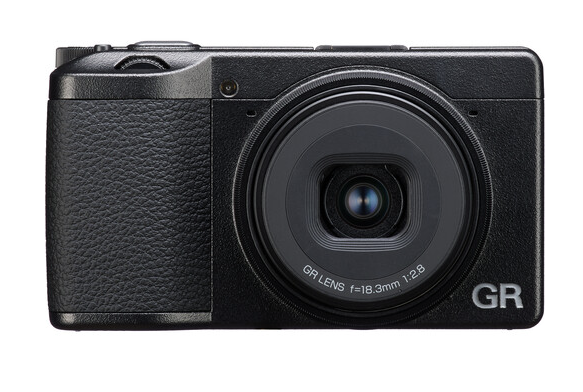
Dedicated cameras still win on sensor size, optics, handling and file control. But the iPhone 16 is a serious photographic object because it teaches users to expect capture, editing, search and sharing to be one continuous flow.
Where it stands out
The strongest use cases are family life, travel, food, street notes, quick video and social publishing. The phone's advantage is not ultimate image quality; it is always-on availability and fast processing.
Photographic Styles also matter because they give users a more intentional look before and after capture without requiring a full editing workflow.
Where cameras still win
A dedicated camera is still better for long lenses, flash work, raw latitude, long sessions and tactile concentration.
The iPhone 16 is not a replacement for every camera. It is the baseline camera most people now carry.
Computational control is the story
The iPhone 16 matters less as a camera replacement than as proof that computational control has become normal photographic behavior. Exposure, tone mapping, subject recognition, editing suggestions and file organization are now part of capture for millions of users.
The tradeoff is that consistency can become a look of its own. A dedicated camera still earns its place when the photographer wants optical choice, flash control, file latitude or a slower process that does not immediately belong to the phone.
Sources cited in this article
For "iPhone 16 Camera Analysis 2026: Computational Control Becomes Normal," these sources separate confirmed product information from editorial interpretation, market context, and buying-risk analysis.
- Apple Newsroom: iPhone 16 announcement apple.com
- Apple Newsroom: iPhone 16e announcement apple.com
AI, authorship and image trust
Generated video, copyright, programmable cameras, mobile image systems and the disclosure problem around synthetic images.
- AI Video and the Camera Language It Borrows Inspiration
- Theatre d'Opera Spatial and the AI Copyright Case Inspiration
- The Poetry Camera: Elias Sarquis, Raspberry Pi and a Camera That Writes Inspiration
- Cámara Poética iOS App in 2026: When Photos Become Poems Inspiration
- Raspberry Pi AI Camera in 2026: Why Programmable Cameras Matter Camera News