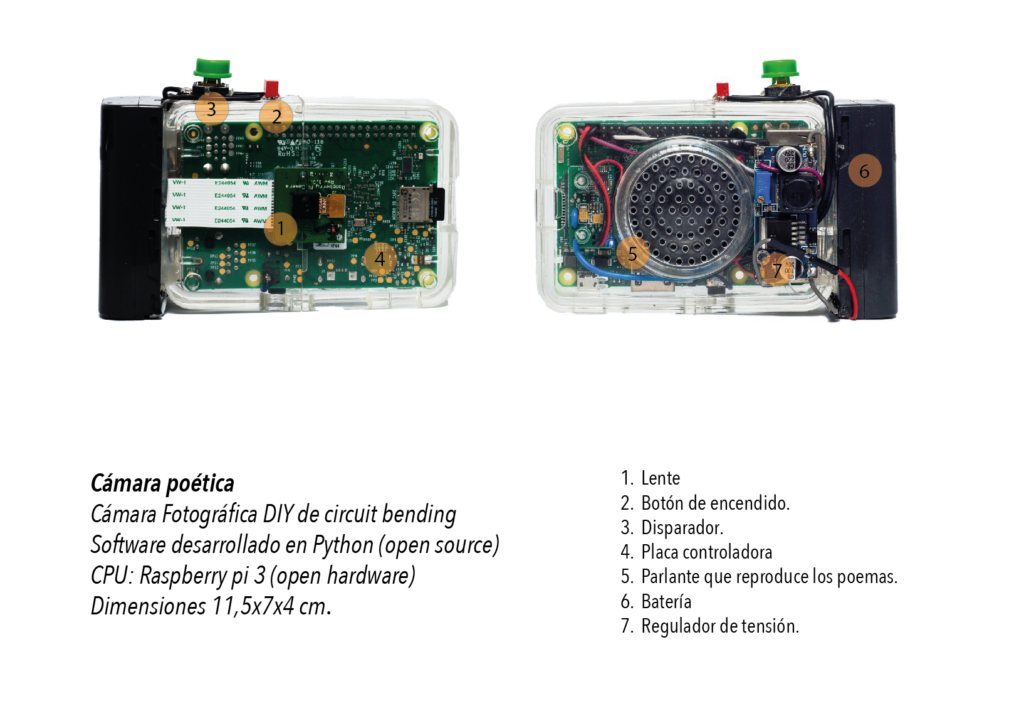
The Raspberry Pi AI Camera is important because it treats the camera as a programmable system. In 2026, that idea is more relevant than another conventional camera body.
Raspberry Pi documents the AI Camera around Sony's IMX500 sensor and low-latency AI capabilities. That means image recognition can happen close to capture rather than relying entirely on a remote cloud service. For makers, educators and artists, the point is not just image quality; it is control over what the device sees and does next.
This changes the conversation about photography. A camera can become a trigger, a classifier, a drawing instrument, a performance object or a publishing tool. It can decide when to record, what to ignore and how to translate a scene into data. That is a different creative territory from buying a sharper lens.
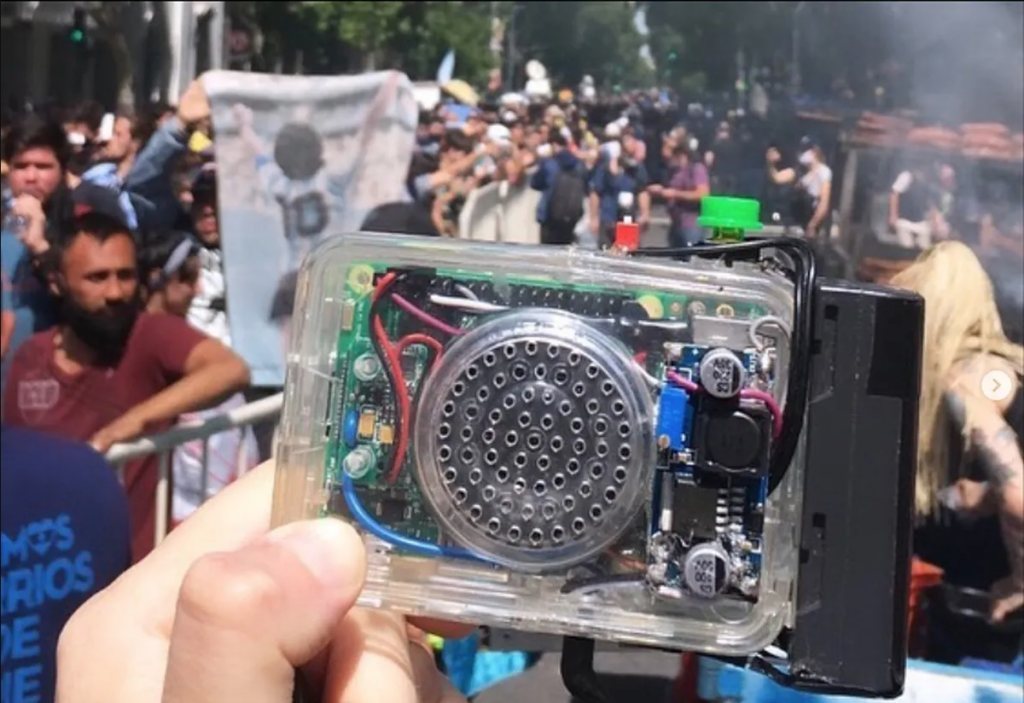
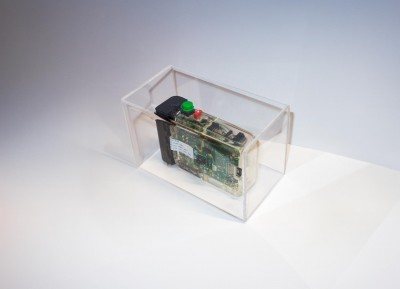
The best way to understand this field is through projects, not spec sheets. Camara Poetica, also covered by Raspberry Pi, showed how a camera can keep the image and generate poetic text from it. That kind of work points toward post-photographic practice without abandoning the physical camera.
Edge intelligence matters
When inference happens close to the sensor, latency falls and the device can act in real time. That is useful for robotics and automation, but it also matters for artists building responsive image systems.
For photography culture, this turns the camera from a sealed product into a question: what should a camera do after it sees?
The creative risk
Programmable cameras can easily become gimmicks if the concept is thin. The serious work starts when the code, hardware and photographic intention are inseparable.
That is why the most interesting AI camera projects often look less polished than consumer products. They reveal their assumptions instead of hiding them behind a black-box interface.
Programmability changes the camera brief
The Raspberry Pi AI Camera is not competing with a normal camera body on image romance. Its importance is that capture, recognition and response can be designed by the user rather than hidden inside a manufacturer's camera app.
That makes it relevant to artists, educators and builders who want cameras that count, trigger, classify, translate or behave in public space. The photographic question shifts from image quality alone to what the camera is allowed to notice and do next.
Sources cited in this article
For "Raspberry Pi AI Camera in 2026: Why Programmable Cameras Matter," these sources separate confirmed product information from editorial interpretation, market context, and buying-risk analysis.
- Raspberry Pi Documentation: AI Camera raspberrypi.com
- Raspberry Pi: Camara Poetica feature raspberrypi.com
AI, authorship and image trust
Generated video, copyright, programmable cameras, mobile image systems and the disclosure problem around synthetic images.
- AI Video and the Camera Language It Borrows Inspiration
- Theatre d'Opera Spatial and the AI Copyright Case Inspiration
- The Poetry Camera: Elias Sarquis, Raspberry Pi and a Camera That Writes Inspiration
- Cámara Poética iOS App in 2026: When Photos Become Poems Inspiration
- Wearable Cameras in 2026: Photography, Privacy and the New Viewfinder Camera News