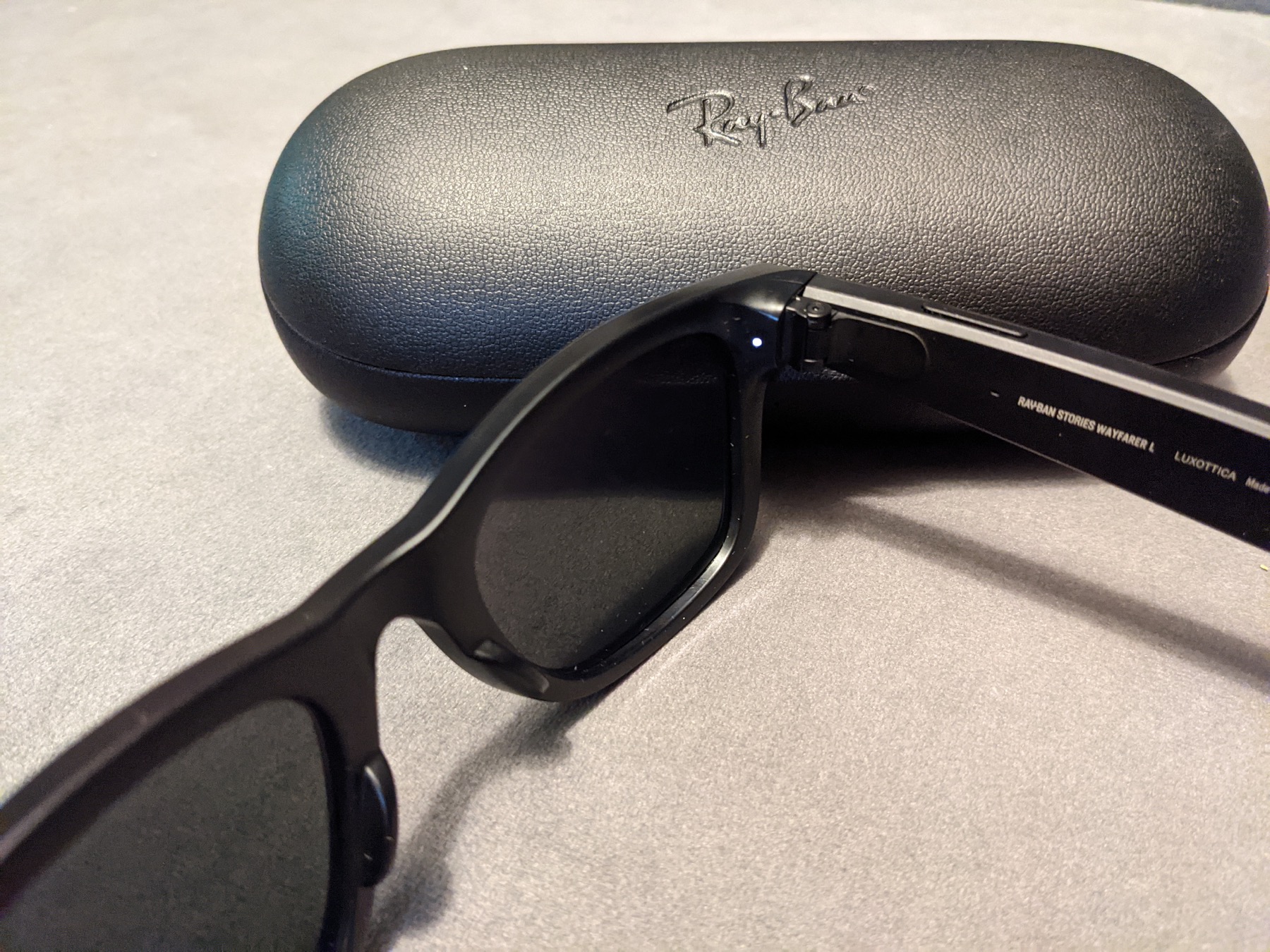

Wearable cameras are not just smaller cameras. Once capture moves onto the face, photography becomes a question of attention, consent and social trust.
Meta's Orion announcement and the broader smart-glasses market point toward a different kind of viewfinder: one worn rather than held. For photography, that is a deeper shift than another phone-camera upgrade.
A wearable camera can record from the body's point of view, respond to voice, identify objects and place digital material over the scene. It can also normalize always-available capture in ways that make consent harder to read.
The serious editorial line is cautious. Camera glasses may expand documentary practice, accessibility and first-person storytelling. They may also make image capture less deliberate and more extractive.
The creative possibility
Wearable cameras can make images from perspectives that handheld cameras miss. They can support hands-free fieldwork, performance, accessibility tools and mixed-reality notation.
For artists, the interesting part is not a cleaner selfie. It is a camera that understands context and can respond to the scene while the body moves through it.
The editorial risk
A camera on the face changes the social contract. People understand a camera in the hand. They may not understand a camera embedded in everyday eyewear.
Any serious photography culture in 2026 has to keep privacy and consent in the same conversation as innovation.
The social contract is the feature
Wearable cameras make image quality a secondary question until trust is solved. A camera on the face changes how people behave around the photographer because capture can feel continuous, ambiguous and harder to refuse.
The serious design challenge is disclosure: visible recording cues, fast consent habits, local processing choices and cultural norms that make the device legible. Without that, the best sensor in the frame still produces social friction.
Sources cited in this article
For "Wearable Cameras in 2026: Photography, Privacy and the New Viewfinder," these sources separate confirmed product information from editorial interpretation, market context, and buying-risk analysis.
- Meta: Orion AR glasses announcement about.fb.com
- Wikimedia Commons: Ray-Ban Stories feedback LED and case commons.wikimedia.org
AI, authorship and image trust
Generated video, copyright, programmable cameras, mobile image systems and the disclosure problem around synthetic images.
- AI Video and the Camera Language It Borrows Inspiration
- Theatre d'Opera Spatial and the AI Copyright Case Inspiration
- The Poetry Camera: Elias Sarquis, Raspberry Pi and a Camera That Writes Inspiration
- Cámara Poética iOS App in 2026: When Photos Become Poems Inspiration
- Raspberry Pi AI Camera in 2026: Why Programmable Cameras Matter Camera News