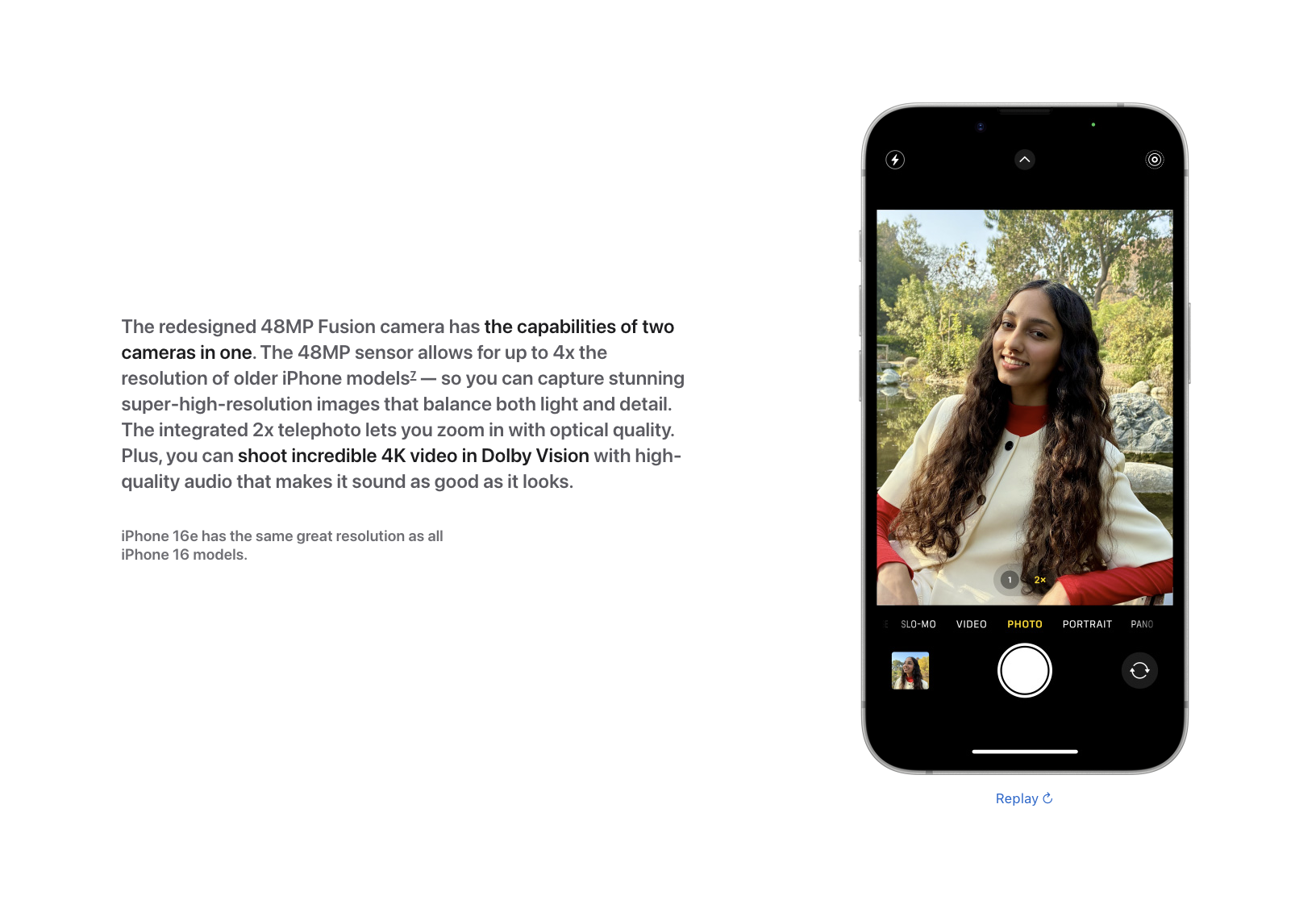
The iPhone 16e became Apple's lower-cost entry into the iPhone 16 family. For photographers, the point is not whether it can make good images. It can. The point is where the camera system stops.
Apple positioned the iPhone 16e around the A18 chip, Apple Intelligence, strong battery life and a 48MP two-in-one camera system. That makes it a capable everyday camera for daylight, portraits, travel notes and social publishing. It is not, however, the same photographic package as the standard iPhone 16.
The most important limitation is compositional. A 48MP Fusion camera with an optical-quality 2x crop is flexible, but it does not replace a real ultra-wide lens for interiors, tight streets, architecture or close macro work. If a photographer uses wide perspectives often, the standard iPhone 16 remains the safer camera phone choice.
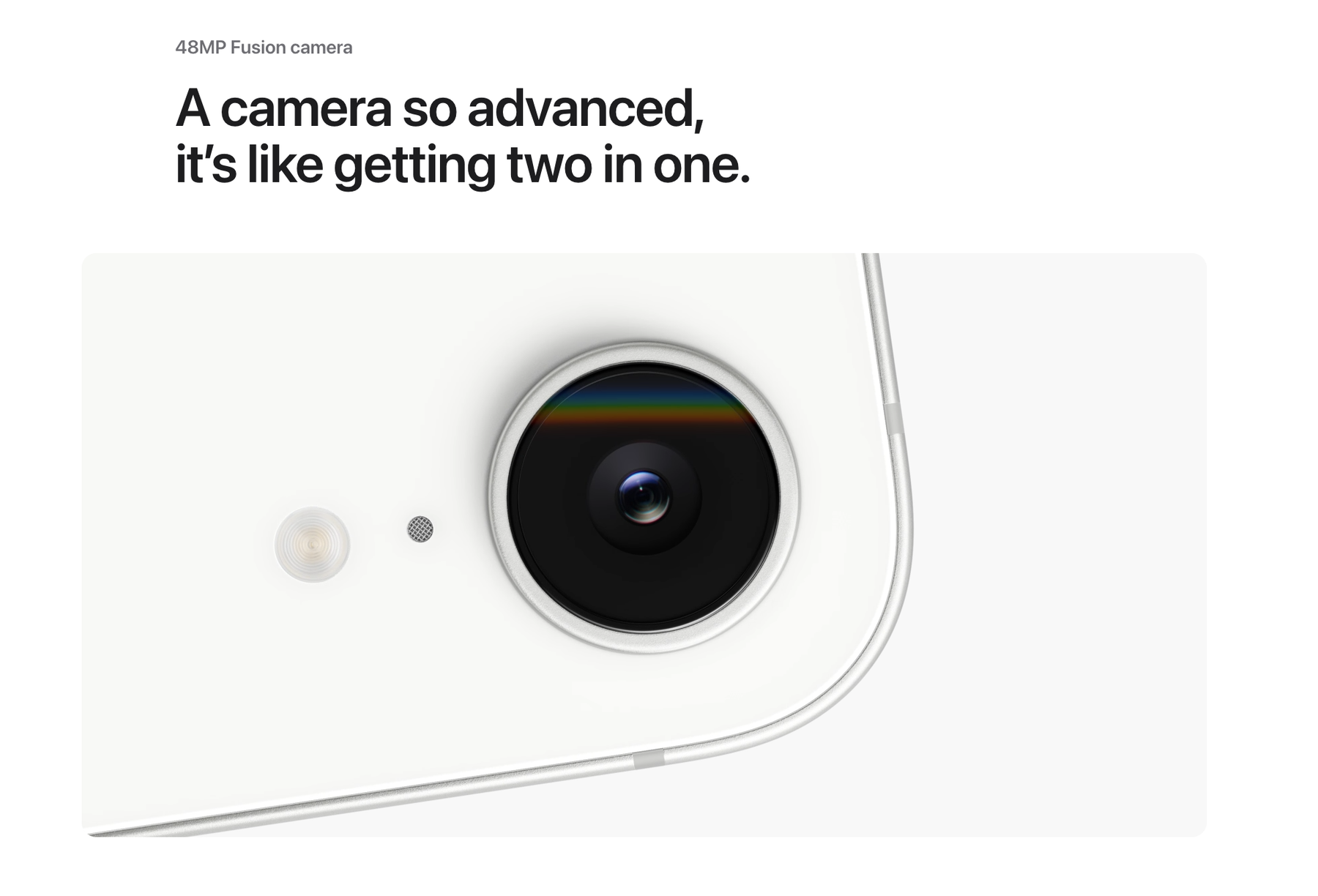
In 2026, the iPhone 16e makes sense as a camera for people who want Apple's current processing pipeline without paying for every camera module. It is less persuasive for photographers who want lens variety, RAW flexibility as a routine workflow, or a phone that can stand in for a compact camera across more situations.
Where it works
For family photographs, travel snapshots, street notes and quick publication, the 16e is more than adequate. Apple's image processing, Smart HDR behavior and 2x crop from the main sensor make the camera dependable when the subject is not technically demanding.
The A18 chip also matters because computational photography is not just capture. It affects preview, processing, search, editing and the speed at which the phone can keep up with everyday use.
Where it falls short
The absence of a dedicated ultra-wide lens is the obvious creative gap. It also narrows the phone's usefulness for macro-style detail work and interior scenes where stepping back is impossible.
Photographers who think in focal lengths will feel that limitation quickly. The 16e is a good camera phone for the price tier, but it is not the iPhone 16 camera system at a discount.
Where the 16e camera stops being enough
The iPhone 16e is strongest when the assignment is ordinary life: family pictures, travel notes, quick video, social publishing and dependable exposure in mixed conditions. It becomes weaker when focal-length flexibility, low-light control, flash behavior or subject isolation matter.
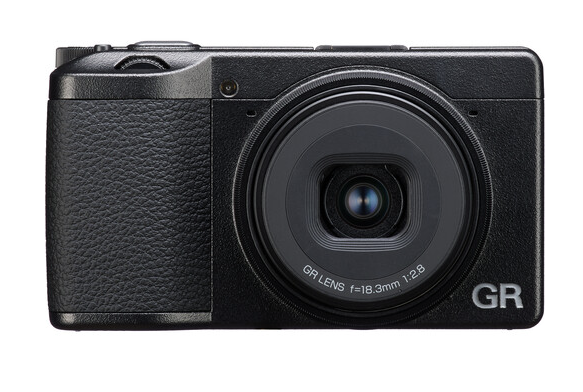
That limit is useful, not embarrassing. A cheaper iPhone can be a serious everyday camera while still leaving room for a compact, mirrorless or film body when the photographer wants a different pace and a different kind of file.
Sources cited in this article
For "iPhone 16e in 2026: A Serious Camera With Real Limits," these sources separate confirmed product information from editorial interpretation, market context, and buying-risk analysis.
- Apple Newsroom: iPhone 16e announcement apple.com
- Apple Newsroom: iPhone 16 announcement apple.com
AI, authorship and image trust
Generated video, copyright, programmable cameras, mobile image systems and the disclosure problem around synthetic images.
- AI Video and the Camera Language It Borrows Inspiration
- Theatre d'Opera Spatial and the AI Copyright Case Inspiration
- The Poetry Camera: Elias Sarquis, Raspberry Pi and a Camera That Writes Inspiration
- Cámara Poética iOS App in 2026: When Photos Become Poems Inspiration
- Raspberry Pi AI Camera in 2026: Why Programmable Cameras Matter Camera News