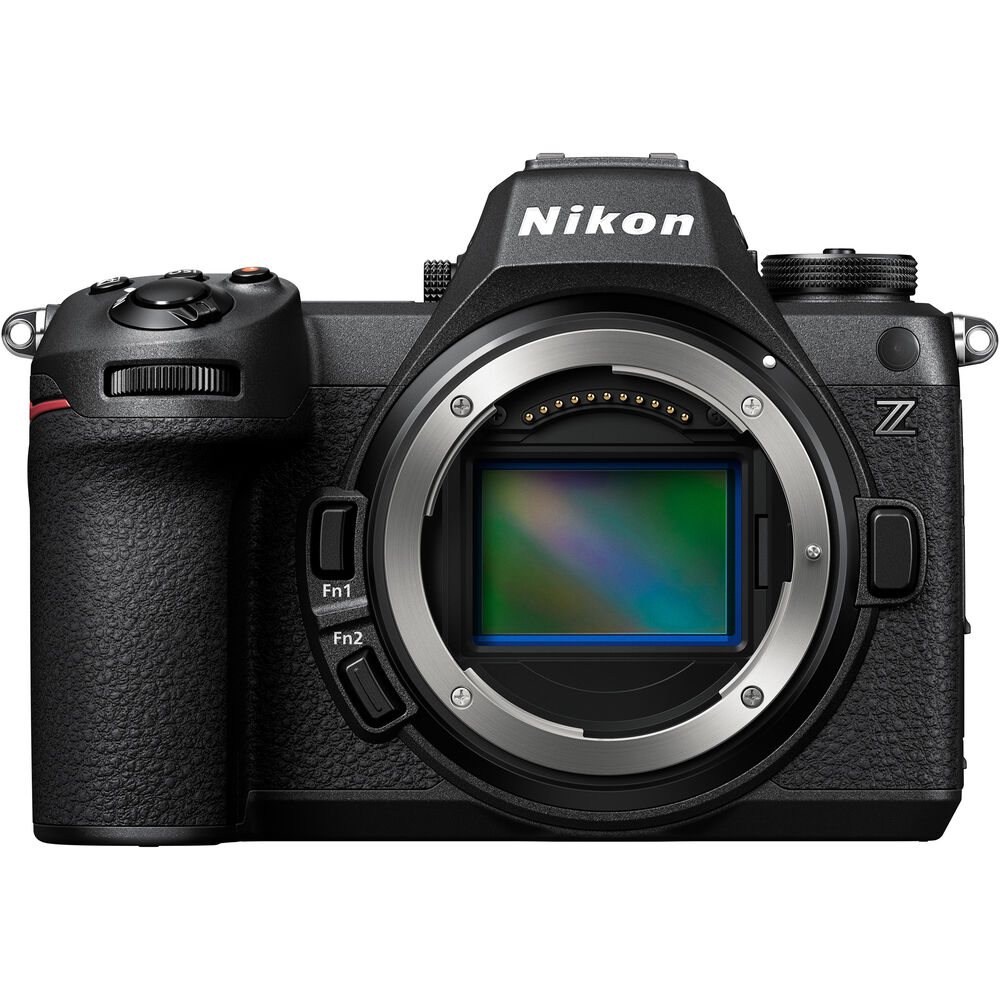
The Nikon Z6III is not just a 2025 headline anymore. In 2026 it has settled into a clearer role: a serious hybrid camera for photographers who need speed, video depth and full-frame files without jumping to a Z8 or Z9.
The original headline called the Z6III the ultimate mirrorless camera of 2025. That was too broad. The stronger 2026 claim is narrower and more useful: Nikon built one of the most balanced full-frame hybrid bodies in its class by putting a partially-stacked 24.5MP sensor and EXPEED 7 processing into the Z6 line.
That sensor is the story. Nikon says the readout is substantially faster than the Z6II generation, and the practical effect is visible in the camera's stronger electronic shutter behavior, high-speed shooting and video capability. It also gives the Z6III a distinct position between conventional enthusiast bodies and flagship stacked-sensor machines.

For still photographers, the Z6III is not about maximum resolution. It is about response, autofocus, viewfinder quality, stabilization and a file size that keeps event, documentary and editorial workflows efficient. For video users, internal RAW options and high frame-rate modes make the camera more credible than older Z6 bodies.
The real upgrade
The partial-stack design gives the Z6III its identity. It does not make the camera a full flagship, but it closes the gap enough that many working photographers can avoid paying for a larger body.
Nikon's current Z ecosystem also makes the camera easier to recommend in 2026 than the Z6II was at launch. The lenses, autofocus behavior and cloud workflow are more mature.

Who should skip it
Landscape and studio photographers who primarily need resolution may still prefer higher-megapixel bodies. Sports specialists who live at the edge of readout speed may still want a true stacked sensor.
But for the middle of professional photography, where a camera must do many things well, the Z6III remains one of Nikon's most coherent bodies.
The hybrid sweet spot
The Z6III makes sense because it sits below Nikon's flagship bodies without feeling like a compromised entry point. For many photographers, the balance of speed, full-frame files, video depth and system cost is more important than owning the most extreme Nikon body.
The buying test is workload. If stills, short video, event coverage and travel all share the same bag, the Z6III remains credible; if the job is purely cinema or purely high-resolution commercial work, Nikon already offers more specialized answers.
Sources cited in this article
For "Nikon Z6III in 2026: The Hybrid Camera That Still Makes Sense," these sources separate confirmed product information from editorial interpretation, market context, and buying-risk analysis.
- Nikon USA: Z6III product page nikonusa.com
Hybrid full-frame cameras
Canon, Sony, Nikon and Panasonic bodies where stills, video, autofocus, codecs, system cost and practical work collide.
- Camera Grand Prix 2026: What the Winners Say About Cameras Now Camera News
- Canon EOS R6 Mark III Analysis 2026: The Hybrid Body Canon Needed Reviews
- Sony Alpha 7R VI: What Stacked Resolution Actually Changes Camera News
- Canon EOS R6 V: The Full-Frame V-Series Camera Canon Needed Camera News
- Nikon ZR Analysis 2026: RED RAW Enters the Nikon Z System Reviews